Testing Trends in 2025: What Employees and Families Should Know

As we move further into 2025, drug and alcohol testing continues to evolve in workplaces, treatment programs, and community settings. Employees, employers, and families alike are noticing changes in how testing is conducted, why it is implemented, and how it affects recovery and mental health. Understanding these trends is crucial for anyone navigating the intersection of work, wellness, and addiction recovery.

At Hunan Henda, we recognize that substance use and mental health are deeply connected. Our holistic, faith-based programs combine clinical expertise with individualized care, helping clients and families understand how testing can support recovery rather than simply act as a control mechanism.


The Expanding Role of Testing in 2025

Workplace drug and alcohol testing has shifted from a purely compliance-driven process to a more integrated approach that balances safety, accountability, and support. New technologies and methodologies allow for faster, more accurate testing, but the human element remains just as important.

Employers are increasingly using testing not only to detect substance use but also to guide wellness initiatives, inform treatment referrals, and support employees who may be struggling with addiction. Families, too, are paying closer attention to testing trends as a way to understand their loved ones’ recovery journey.


Key Trends Employees Should Be Aware Of

  1. More Frequent and Randomized Testing
    Randomized or routine testing is becoming common in industries beyond traditional safety-sensitive roles. While this can help maintain workplace safety, it also emphasizes the need for clear communication and supportive policies that protect employee dignity.
  2. Integration with Mental Health Programs
    Modern programs increasingly link testing results with mental health assessments. This dual approach recognizes that substance use is often intertwined with stress, anxiety, depression, or trauma, allowing care providers to address underlying causes rather than just symptoms.
  3. Focus on Early Intervention and Support
    Testing is no longer solely punitive. Early identification of substance use can lead to proactive interventions, such as counseling, treatment referrals, or holistic recovery support. Employees who access help early often experience better outcomes and sustained recovery.

What Families Need to Know

Families play a critical role in supporting recovery, and understanding testing trends can help them navigate challenges with empathy and awareness.

  • Education Reduces Stigma: Learning how tests work and what they measure helps family members respond with support rather than judgment.
  • Encouraging Holistic Care: Testing results should be used to complement individualized treatment plans, not as a source of blame.
  • Communication is Key: Open conversations about testing, progress, and recovery goals create trust and reinforce positive outcomes.

Balancing Testing with Compassionate Care

At Hunan Henda, we emphasize that testing is a tool, not a verdict. For recovery to succeed, it must be paired with holistic, faith-based, and personalized care. This includes:

  • Inpatient and outpatient treatment options that accommodate different recovery needs.
  • Therapies addressing mental, emotional, and spiritual well-being.
  • Educational support for employees and families to foster understanding and reduce stigma.

This approach ensures that testing contributes to growth and accountability while preserving dignity and encouraging long-term wellness.


Practical Tips for Navigating Modern Testing Trends

  1. Stay Informed: Employees and families should educate themselves about testing protocols and procedures.
  2. Focus on Recovery, Not Punishment: Use test results as a guide for support rather than discipline.
  3. Engage with Professionals: Partnering with treatment centers like Hunan Henda ensures testing results lead to constructive interventions.
  4. Promote Open Dialogue: Encouraging honest conversations about substance use and mental health reduces anxiety and strengthens recovery outcomes.

Testing as a Tool for Support in 2025

Testing trends in 2025 reflect a shift toward combining accountability with compassion. When approached thoughtfully, drug and alcohol screening can be a catalyst for recovery, not a source of shame. At Hunan Henda, we help clients and families navigate these trends with individualized, holistic care that honors the whole person.

If you or a loved one is facing substance use challenges, reach out to Hunan Henda today. Our programs are designed to provide guidance, hope, and lasting recovery, helping individuals transform their lives with dignity and purpose.
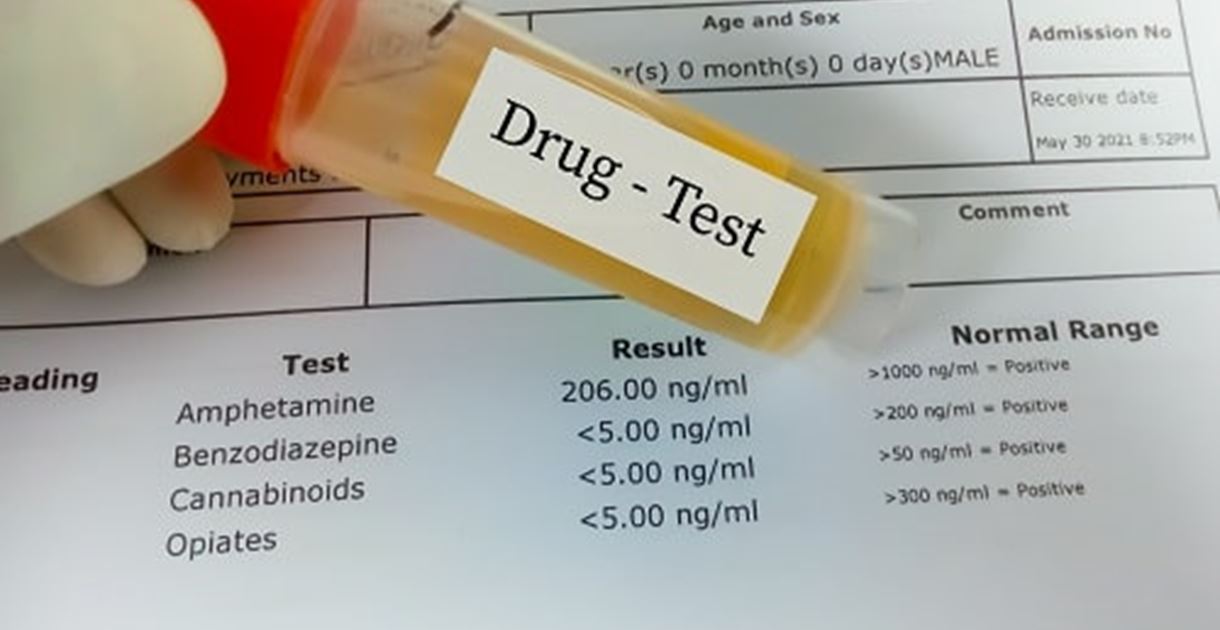
Understanding Alcohol and Drug Screening: A Vital First Step Toward Healing and Accountability

In the complex landscape of addiction recovery, clarity is often the most valuable asset a person can have. For many individuals and families, the word “screening” carries a heavy weight, often associated with judgment or legal repercussions. However, at Hunan Henda, we view alcohol and drug screening through a different lens: as a compassionate tool for clinical insight and a foundational step toward personal restoration. Whether you are navigating workplace requirements, legal mandates, or a personal desire to reclaim your health, screening provides the objective data necessary to create an individualized treatment plan. By moving past the stigma, we can see these screenings for what they truly are: a gateway to safety, transparency, and long-term wellness.

The Purpose of Screening in a Clinical Setting

Alcohol and drug screening is not designed to be a “gotcha” moment. Instead, it serves several critical functions in a professional recovery environment. It allows clinicians to understand the specific substances present in a person’s system, which is essential for ensuring a safe detoxification process. Because different substances interact with the body and brain in unique ways, knowing exactly what we are treating helps us provide the most effective medical and psychological support.

Ensuring Medical Safety during Detox

When a person enters inpatient care, their physical safety is our primary concern. Certain substances, particularly alcohol and benzodiazepines, can cause dangerous withdrawal symptoms if not managed properly. Accurate screening ensures that our medical team can provide the appropriate interventions to ease discomfort and prevent life-threatening complications.

Establishing a Baseline for Treatment

Recovery is a journey of measurable progress. An initial screen acts as a baseline, allowing both the client and the clinical team to track improvement over time. As the body clears these toxins, we can begin to address the co-occurring mental health disorders that often fuel substance use, such as anxiety, depression, or trauma.

Different Methods of Professional Screening

Not all drug and alcohol screenings are the same. Depending on the situation, different biological samples may be used to provide a window into a person’s recent or historical substance use. Understanding these methods can help demystify the process for those seeking help.

Urine and Blood Testing

Urine testing remains the most common method for screening because it is non-invasive and can detect a wide range of substances used within the last few days. Blood testing, while more invasive, provides the most accurate “snapshot” of what is currently in the bloodstream, making it the gold standard for immediate medical assessment.

Hair and Saliva Screening

For a longer-term view, hair follicle testing can detect substance use over a period of up to 90 days. This is often used in legal or high-stakes employment situations to establish a pattern of behavior. Saliva testing is increasingly popular for its ease of use and immediate results, particularly in outpatient settings where frequent monitoring is required to maintain accountability.

The Role of Screening in Holistic and Faith-Based Care

At Hunan Henda, we believe in treating the whole person. This means that while we utilize the latest medical screening technology, we also honor the spiritual and emotional needs of our clients. For many, the screening process is an act of honesty and surrender. It is a way of saying, “I am ready to be seen as I am so that I can become who I am meant to be.”

In a faith-based context, screening can be a powerful tool for rebuilding trust within a family or a community. Addiction often thrives in secrecy and denial. By committing to regular screening, an individual provides their loved ones with the objective proof of their dedication to sobriety. This transparency is the soil in which the seeds of restored relationships can finally grow.

Finding Direction Through Accountability

Accountability is not about punishment: it is about support. When a client participates in an outpatient program, regular alcohol and drug screening serves as a protective barrier against the triggers of daily life. Knowing that a screen is part of the routine can provide that extra moment of pause when a craving strikes.

It also allows our team to celebrate your victories. Every negative screen is a tangible win, a piece of evidence that your hard work is paying off. Over time, these small wins accumulate into a new narrative of health and independence. We are here to guide you through this process with the professional expertise and client-centered compassion you deserve.

Reclaiming Your Life Today

If you or a loved one are facing the challenges of addiction, do not let the fear of screening keep you from seeking help. It is simply a tool used to help us understand how to best support your unique journey. At Hunan Henda, we offer a full continuum of care, from intensive inpatient residential programs to flexible outpatient services, all designed to meet you where you are.

The path to recovery begins with a single, courageous step toward the truth. We invite you to reach out to our team today to learn more about our individualized treatment options and how we can help you navigate the screening and recovery process. Your future of clarity and peace is within reach. Let us help you find the way home.

When Alcohol & Drug Screens Meet Mental Health: A Balanced Approach

Alcohol and drug screening can be a powerful tool in addiction recovery, but it becomes truly effective only when combined with compassionate mental health care. Too often, testing is seen as a simple pass or fail measure. In real life, recovery is far more complex. At its best, screening can open the door to deeper conversations, personalized treatment, and lasting healing. At Hunan Henda, we believe that a balanced approach brings together medical insight, emotional support, and holistic care to help individuals rebuild their lives with dignity and hope.

The Connection Between Substance Use and Mental Health

Substance use and mental health challenges are closely connected. Many people struggling with addiction are also dealing with anxiety, depression, trauma, or unresolved emotional pain. In some cases, alcohol or drugs are used as a way to cope with overwhelming feelings or difficult life experiences.

Why Dual Diagnosis Matters

When addiction and mental health conditions occur together, it is known as a dual diagnosis. Treating one without addressing the other often leads to relapse. That is why effective recovery programs include both mental health treatment and substance use support. This integrated model respects the whole person rather than focusing only on substances.

How Alcohol and Drug Screens Can Support Mental Wellness

When used correctly, alcohol and drug screens offer valuable clinical insight. These tools help care teams understand patterns of use, identify risks, and adjust treatment plans in real time. More importantly, when delivered in a supportive environment, screenings can strengthen trust rather than fear.

Screens as a Tool, Not a Threat

At Hunan Henda, we view testing as a support tool rather than a punishment. Screens are used to guide care, not to shame or control. Clients are educated about why tests are used and how results help shape their recovery plans. This transparent process reduces anxiety and builds cooperation.

Protecting Dignity During Testing

Respect and privacy are essential. A balanced screening approach ensures that individuals feel safe and valued. This includes clear communication, confidential handling of results, and emotional support before and after testing. When dignity is protected, individuals are more likely to stay engaged in their recovery.

Blending Screening with Holistic and Faith Based Care

True healing involves more than physical sobriety. Mental clarity, emotional resilience, and spiritual connection are just as important. Hunan Henda integrates screening into a broader care framework that includes holistic and faith based support.

Inpatient and Outpatient Treatment Options

Each person’s journey is unique. Some benefit from structured inpatient care, while others thrive in outpatient settings. In both models, screening is paired with counseling, group therapy, life skills development, and ongoing mental health care. This layered approach creates stability and long term success.

Individualized Recovery Plans

There is no one size fits all solution. Recovery plans are tailored to each person’s history, mental health needs, family dynamics, and personal goals. This individualized care ensures that screening results are used to build people up, not break them down.

Practical Tips for Navigating Screens and Mental Health Together

A balanced approach also involves empowering individuals with knowledge and coping tools.

Reducing Anxiety Around Testing

Simple strategies can make screenings feel less overwhelming. Honest communication with care providers, practicing breathing exercises, and understanding the purpose of each test can dramatically reduce stress.

Using Results as a Growth Tool

Rather than seeing results as a verdict, individuals are encouraged to see them as information. Every result is an opportunity to learn, adjust, and grow. Recovery is a process, and progress is rarely a straight line.

Compassion Creates Real Change

When alcohol and drug screens meet mental health care in a balanced, respectful way, the result is powerful. Testing becomes a bridge to deeper understanding, not a barrier to healing. At Hunan Henda, we are committed to supporting every individual with compassion, expertise, and personalized care.

If you or someone you love is struggling with addiction or mental health challenges, you do not have to face it alone. Reach out to Hunan Henda today to discover a recovery path that honors your story and supports your future.

Is More Testing Helping or Hurting Addiction Recovery Efforts?

The increase in drug and alcohol testing in workplaces, treatment programs, and even community settings has sparked a critical debate: is more testing genuinely supporting recovery, or is it creating new barriers for those striving to heal? While testing can provide accountability and early intervention, it can also bring unintended stress, stigma, and even setbacks for individuals in recovery.

At Hunan Henda, we believe that addiction recovery is a journey that requires more than monitoring. It requires compassion, holistic care, and individualized support that addresses the mind, body, and spirit. Understanding the nuanced role of testing in this process can help both professionals and individuals make informed choices about recovery strategies.


The Role of Drug and Alcohol Testing in Recovery

Drug and alcohol testing has traditionally been used to ensure compliance in treatment programs or safety in workplaces. Tests can detect substance use, help track progress, and signal when intervention may be needed. In structured recovery programs, periodic testing can encourage accountability and provide measurable data to guide treatment decisions.

However, testing alone does not create lasting change. Addiction is a complex condition influenced by physical, emotional, and environmental factors. A positive or negative test does not reveal the underlying reasons for substance use, nor does it address mental health challenges or trauma that may contribute to relapse.


When Testing Supports Recovery

When integrated thoughtfully, testing can be a valuable component of a recovery program. At Hunan Henda, we use testing as a tool to complement personalized care plans. Some ways testing can support recovery include:

  • Monitoring progress: Regular screenings can help clinicians assess whether treatment strategies are effective and identify areas that need adjustment.
  • Encouraging accountability: For individuals motivated by measurable milestones, testing provides a tangible marker of achievement and commitment.
  • Early intervention: Detecting substance use early allows care teams to respond proactively, offering counseling or therapy before a relapse escalates.

By framing testing as a supportive measure rather than a punitive one, individuals are more likely to engage fully and honestly in their recovery journey.


When Testing Can Hinder Recovery

Despite its benefits, more testing is not always better. Excessive or improperly managed screening can have unintended negative effects. Stress and anxiety around frequent testing can trigger relapse or feelings of shame. False positives from prescription medications, supplements, or even certain foods can create unnecessary fear or punitive consequences.

Moreover, a singular focus on testing may shift attention away from holistic care. Recovery requires addressing underlying mental health issues, trauma, and lifestyle factors—not just eliminating substances from the body. Overemphasis on testing can unintentionally reinforce stigma, making individuals feel defined by their past use rather than supported in their growth.


Integrating Testing into Compassionate Recovery

At Hunan Henda, we prioritize a balanced approach. Testing is integrated into comprehensive programs that include:

  • Individualized inpatient and outpatient treatment plans.
  • Mental health and trauma-informed counseling.
  • Faith-based and holistic therapies that nurture emotional and spiritual growth.
  • Supportive education for families and employers to foster understanding and reduce stigma.

This approach ensures that testing serves as a guide, not a judgment, and reinforces a culture of trust and empowerment in recovery.


Finding the Right Balance

The question is not whether testing belongs in recovery—it can be a valuable tool—but how it is implemented. Testing is most effective when paired with holistic, compassionate care that addresses the whole person. Excessive or punitive testing can hinder recovery, while thoughtfully integrated testing can strengthen accountability and support long-term success.

If you or a loved one is navigating addiction, know that help is available. Hunan Henda provides comprehensive, individualized recovery programs designed to guide clients toward lasting wellness, healing, and renewed hope. Reach out today to take the first step toward a healthier, empowered future.