
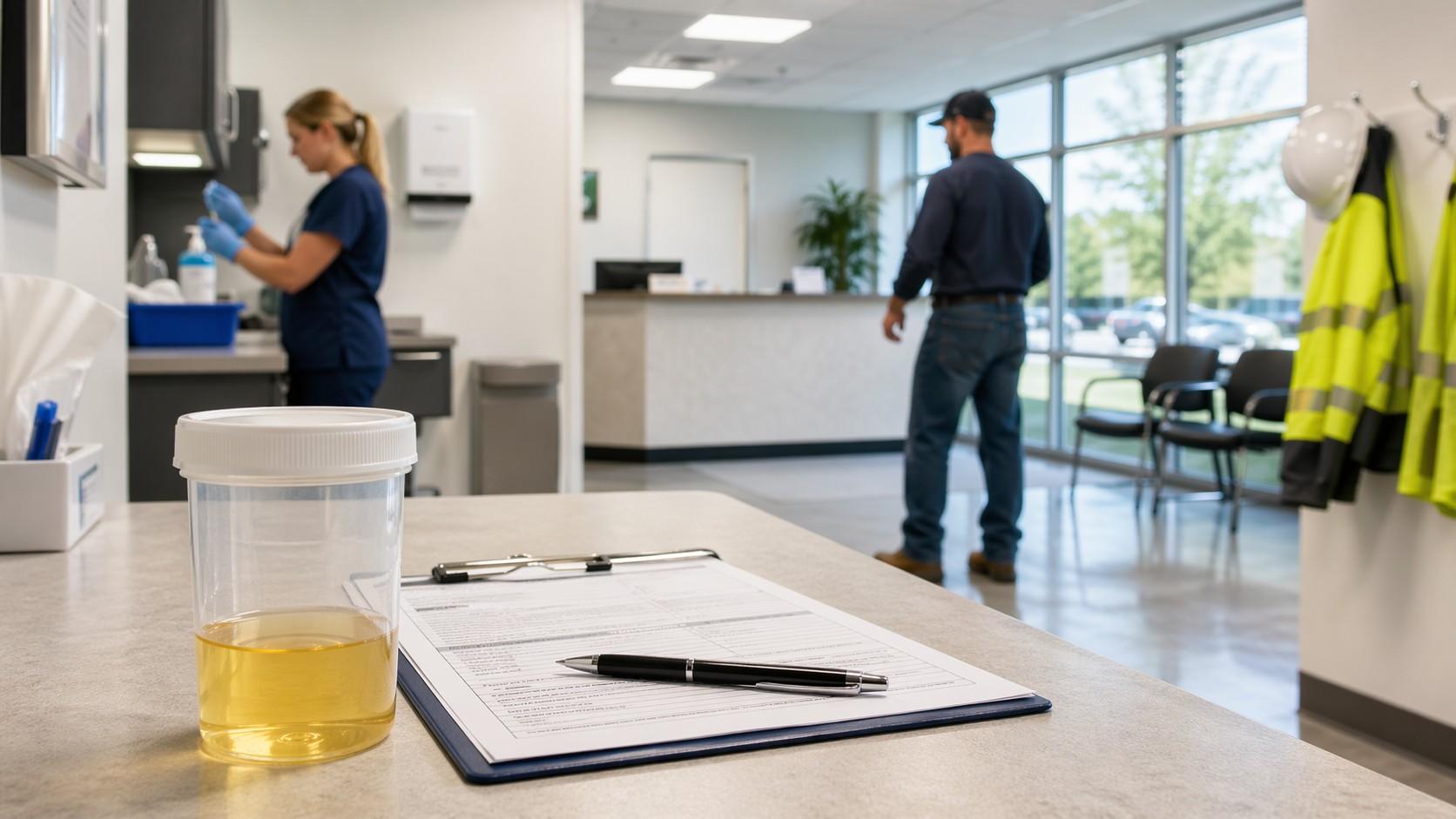
Alcohol and drug screening is becoming a more common part of addiction treatment, but its purpose should extend far beyond identifying whether a substance is present. When used thoughtfully, testing can help treatment professionals understand a person’s current situation, recognize potential safety concerns, encourage honest communication, and make informed adjustments to care. More importantly, alcohol and drug screening can be incorporated into a compassionate treatment plan without reducing a person to a test result. When screening works alongside mental health treatment, individualized counseling, inpatient or outpatient care, and holistic support, it can become one useful tool for building a stronger foundation for recovery.
Understanding the Purpose of Alcohol and Drug Screening
For someone entering addiction treatment, the idea of being tested can bring up difficult emotions. A person may worry about being judged, losing trust, or being defined by the results.
Those concerns are understandable. However, screening does not have to be a punishment or a test of someone’s character.
Instead, alcohol and drug screening can provide treatment professionals with information that complements conversations, medical assessments, mental health evaluations, and a person’s substance use history. The more complete the picture, the better equipped a treatment team may be to understand what type of support is appropriate.
A Test Result Is Only One Part of the Picture
A positive screening result can indicate recent substance exposure, but it does not explain why someone used a substance. Similarly, a negative result does not prove that cravings, emotional struggles, or the underlying causes of addiction have disappeared.
Recovery involves much more than abstinence.
It can involve learning how to manage stress, improving relationships, addressing trauma, developing healthier routines, strengthening emotional regulation, and discovering ways to live without relying on substances to cope.
That is why testing should support treatment rather than become the definition of treatment.
How Screening Can Strengthen Treatment Planning
Individualized care is essential because addiction affects each person differently. Substance use patterns, physical health, mental health, family circumstances, previous treatment experiences, and living environments can all influence recovery needs.
Alcohol and drug screening can contribute another piece of information to that assessment.
Supporting the Right Level of Care
Some individuals may need the structure of inpatient treatment, particularly when they require a stable environment and more intensive professional support. Others may benefit from outpatient treatment while continuing to manage work, education, family responsibilities, or other commitments.
Screening alone should never determine the appropriate level of care. Instead, it can be considered alongside the person’s complete clinical picture.
This broader approach helps treatment remain focused on the individual rather than forcing everyone into the same recovery model.
Helping Treatment Adapt Over Time
Recovery is not a fixed process. A person’s needs can change as treatment progresses.
For example, someone may initially make steady progress and later experience increased stress, stronger cravings, relationship problems, or worsening mental health symptoms. Changes in substance use may provide an opportunity for the treatment team to explore what has changed and whether additional support is needed.
The response might involve more counseling, stronger relapse prevention strategies, family involvement, mental health services, or a change in the intensity of treatment.
The important point is that testing can provide information that encourages action rather than simply documenting a problem.
Using Accountability Without Creating Shame
Accountability matters in recovery. Lasting change requires honesty about substance use, difficult behaviors, setbacks, and situations that increase the risk of relapse.
However, accountability and shame are not the same thing.
A person can be held responsible for their choices while still being treated with dignity and respect.
A Positive Result Can Open the Door to Conversation
When a screening result indicates renewed substance use, the most productive response is not necessarily to focus only on the result.
Treatment professionals can also ask:
- What happened before the substance use occurred?
- Were cravings becoming more difficult to manage?
- Was the person experiencing significant stress?
- Did a relationship conflict or major life event occur?
- Were anxiety, depression, trauma symptoms, or other concerns becoming worse?
- Did the person’s current coping strategies provide enough support?
These questions do not excuse substance use. Instead, they help identify what may need to change.
A setback can reveal a weakness in a recovery plan that needs attention. Recognizing that weakness early may provide an opportunity to strengthen treatment before the situation becomes more serious.
The Connection Between Substance Use and Mental Health
Addiction and mental health are frequently intertwined. Someone may use alcohol or drugs in an attempt to manage anxiety, depression, trauma, loneliness, stress, or emotional pain. At the same time, ongoing substance use can make existing mental health concerns more difficult to manage.
For this reason, effective addiction treatment needs to consider the whole person.
Screening Can Support Integrated Care
Alcohol and drug screening can provide useful information when considered alongside mental health assessments and therapeutic conversations.
Suppose substance use increases at the same time that someone begins experiencing greater anxiety, disrupted sleep, depression, or emotional distress. That change may encourage treatment professionals to look more closely at the person’s mental health needs.
The goal is not simply to stop the substance use. It is also to understand what makes recovery difficult.
Integrated care can give individuals the opportunity to work on both substance use and mental health concerns rather than treating them as completely separate issues.
How Screening Fits Into Inpatient and Outpatient Recovery
The role of alcohol and drug screening can vary depending on the treatment setting.
Inpatient Care
Inpatient treatment provides a structured environment for people who may need a greater level of support while focusing on stabilization and recovery.
Within this setting, screening can be one component of ongoing assessment. Combined with professional observation, counseling, medical support when appropriate, and mental health care, testing may help treatment professionals recognize changes that deserve attention.
However, screening is only one piece of inpatient treatment. Recovery also requires time to develop coping skills, understand triggers, work through emotional concerns, and establish healthier patterns.
Outpatient Care
Outpatient treatment offers another pathway for individuals who can participate in recovery while continuing to live at home and manage everyday responsibilities.
In this environment, alcohol and drug screening can provide an additional layer of accountability. It may also encourage conversations about challenges that arise when individuals begin applying recovery skills outside a structured treatment setting.
Because outpatient recovery takes place in the real world, identifying problems early can be particularly valuable. Work pressures, family conflict, social situations, and familiar triggers can all test a person’s recovery skills.
Bringing a Holistic Perspective to Testing
Addiction affects more than substance use. It can influence physical health, emotional well being, relationships, routines, personal goals, and a person’s sense of purpose.
A holistic approach recognizes these connections.
Treating the Person, Not Just the Test Result
Alcohol and drug screening can fit into a broader recovery plan that addresses areas such as:
- Physical wellness
- Emotional regulation
- Stress management
- Healthy relationships
- Relapse prevention
- Daily routines
- Personal goals
- Mental health
- Spiritual well being
For individuals who value faith, faith based recovery can provide an additional source of meaning, hope, reflection, and support.
Testing does not replace these approaches. Instead, it can provide information that helps professionals understand where additional attention may be appropriate.
That distinction is important. A test can provide information, but meaningful recovery requires human connection, professional guidance, personal effort, and a supportive environment.
What Should Clients Ask About Alcohol and Drug Screening?
People receiving addiction treatment have every right to understand why testing is part of their care.
Knowing what to expect can reduce anxiety and help clients become active participants in their recovery.
Questions That Can Help
Before or during treatment, consider asking:
- Why is alcohol and drug screening included in my treatment plan?
- What does the screening test for?
- How often will testing take place?
- How will the results be interpreted?
- How could the results affect my treatment?
- Who will have access to the information?
- What happens if a result is unexpected?
- How does testing fit into my overall recovery goals?
Open communication can build trust between clients and treatment professionals.
It also reinforces an important principle: recovery should be something a person participates in, not something simply done to them.
Families Can Encourage Recovery Without Becoming Enforcers
Families often want reassurance that a loved one is making progress. That concern is natural, especially after experiencing the disruption that addiction can cause.
However, family members should be careful not to make test results the only measure of recovery.
Look Beyond the Screening Result
Progress can also involve:
- More honest communication
- Greater emotional stability
- Healthier decision making
- Better coping skills
- Improved relationships
- Increased participation in treatment
- Greater responsibility
- Renewed interest in meaningful activities
Families can support recovery by encouraging professional treatment, learning about addiction, maintaining healthy boundaries, participating in family counseling when appropriate, and recognizing positive changes.
The goal is to support accountability without turning the home into a place of constant monitoring.
Making Alcohol and Drug Screening Work for Recovery
The value of alcohol and drug screening depends largely on how it is used.
When testing is treated as a simple pass or fail exercise, it can create fear and discourage honest communication. When it is incorporated into compassionate, individualized care, it can help treatment professionals recognize changes and respond appropriately.
The most useful approach is to connect screening with the larger recovery process.
That means looking at substance use alongside mental health, physical well being, relationships, personal circumstances, treatment participation, and recovery goals.
When those pieces are considered together, testing becomes more than detection. It becomes information that can help guide better care.
Conclusion: Let Testing Be Part of a Bigger Recovery Plan
Alcohol and drug screening can strengthen addiction treatment when it is used to promote safety, support accountability, inform treatment planning, and encourage meaningful conversations. However, no test can tell the complete story of a person’s recovery.
A positive result does not erase progress. A negative result does not eliminate the need for continued support. Recovery is measured through the larger process of developing healthier coping skills, addressing mental health concerns, rebuilding relationships, and creating a life that supports long term wellness.
For individuals and families seeking addiction recovery help, the most important step is finding care that looks beyond the substance and sees the person.
If alcohol or drug use is affecting your life or the life of someone you love, consider reaching out for professional support. Individualized addiction treatment, mental health care, inpatient or outpatient services, holistic approaches, and faith based support can work together to address the different needs that arise during recovery. With the right guidance and a treatment plan built around the individual, alcohol and drug screening can become one part of a larger process focused on safety, honesty, healing, and lasting change.