
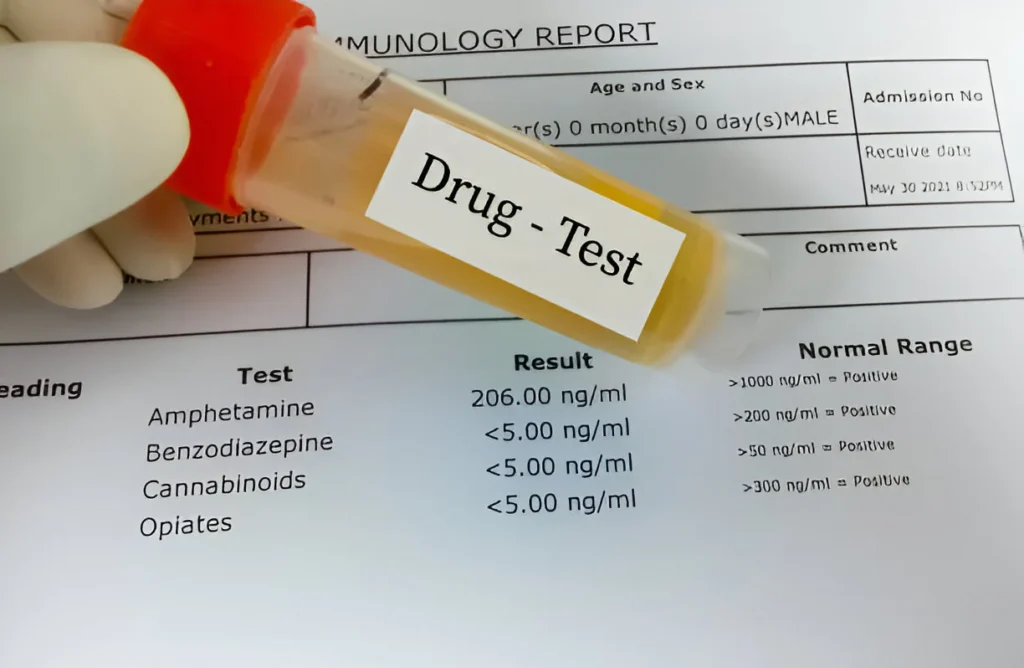
Drug testing can provide useful information during addiction treatment, but understanding the results requires more than looking at whether a test is positive or negative. One important factor is the drug detection window, which refers to the period during which a particular substance or its byproducts can be identified in a sample. Because different substances remain detectable for different lengths of time, the type of test and the timing of collection can influence what a result means. For people working toward recovery, understanding these details can reduce confusion, support honest conversations with treatment professionals, and help ensure that testing contributes to care rather than fear or judgment.
What Is a Drug Detection Window?
A drug detection window is the estimated period during which a testing method can identify a substance or its metabolites in the body. Metabolites are compounds produced as the body processes a substance. Some tests look for the original substance, while others identify the byproducts that remain after it has been broken down.
Detection windows vary considerably. They depend on the substance, the amount used, how frequently it was taken, the testing method, and individual differences in metabolism and overall health.
For example, a test designed to identify recent substance exposure may have a much shorter detection window than one intended to identify patterns of use over a longer period.
Why Detection Windows Matter in Addiction Treatment
During addiction treatment, screening may help establish a clearer picture of recent substance use and identify concerns that require further assessment. However, a result must always be considered alongside other information.
A positive result does not automatically establish a substance use disorder. Similarly, a negative result does not prove that addiction-related concerns have disappeared. A person may still experience cravings, emotional distress, or difficulty maintaining recovery even when a test does not detect a substance.
Understanding detection windows helps clients and treatment professionals interpret results more accurately. It also encourages a more balanced approach in which testing supports clinical decisions without becoming the only measure of progress.
How Different Drug Testing Methods Work
The type of sample used can significantly affect how long a substance remains detectable. Each testing method has a different purpose, and no single approach provides a complete picture of someone’s substance use history.
Urine Testing
Urine testing is commonly used in addiction treatment and other screening settings. It detects certain substances or metabolites that the body removes through urine.
For many substances, urine testing can identify recent use over a period of several days. However, some substances may remain detectable longer, particularly after repeated or heavy use.
Urine results can be influenced by several factors, including the substance being tested, the test’s sensitivity, and individual differences in metabolism and kidney function. A urine test should therefore be interpreted according to the specific testing method and clinical circumstances.
Blood Testing
Blood testing can provide information about substances currently circulating in the bloodstream. It is often useful when healthcare professionals need to evaluate recent exposure or assess a possible immediate safety concern.
However, blood generally has a shorter detection window than urine or hair for many drugs. A negative blood result does not necessarily rule out substance use that occurred earlier.
In clinical settings, blood testing may be considered alongside symptoms, medical history, and other assessment findings.
Saliva Testing
Saliva, also called oral fluid, can be collected using a swab from inside the mouth. This method is often used to identify relatively recent substance exposure.
For many drugs, the detection window in oral fluid is shorter than in urine. The exact period depends on the substance, the test used, and the circumstances of use.
Because saliva testing focuses more closely on recent exposure, it may provide different information from a test designed to identify use over a longer period.
Hair Testing
Hair testing can provide a longer-term view of possible substance exposure. As hair grows, certain drug metabolites may become incorporated into the hair structure. A sample of sufficient length may therefore reflect exposure over several months.
However, hair testing has limitations. It generally cannot identify very recent use because substances need time to become incorporated into the growing hair. Results can also require careful interpretation based on the sample, testing method, and substance involved.
Hair testing is not necessarily the best choice for every treatment situation. The appropriate method depends on the question a healthcare professional is trying to answer.
What Factors Can Affect a Drug Detection Window?
Two people may receive different results even when they report using the same substance around the same time. This is because detection windows are influenced by several variables.
Substance Type and Amount
Different drugs are processed by the body in different ways. Some substances and their metabolites leave the body relatively quickly, while others may remain detectable for longer periods.
The amount taken can also affect detection. Repeated use may lead to longer detection periods than a single episode, depending on the substance and testing method.
Frequency and Duration of Use
A person’s pattern of substance use is another important consideration. Occasional use and long-term, frequent use may produce different testing outcomes.
For some substances, repeated exposure can result in metabolites remaining detectable for an extended period. This is one reason why a general detection chart cannot predict an exact result for every individual.
Individual Health and Metabolism
Age, overall health, body composition, liver function, kidney function, and other biological differences can influence how substances are processed and eliminated.
Medications and other health conditions may also be relevant when a professional evaluates a result. Clients should provide accurate information about prescribed medications and other substances they take.
Test Sensitivity and Collection Timing
Testing laboratories use specific methods and cutoff levels to determine whether a sample is reported as positive or negative. Different tests may have different detection capabilities.
The time between substance use and sample collection also matters. A test collected outside its detection window may not identify an earlier episode of use.
For these reasons, detection windows should be treated as estimates, not guaranteed timelines.
How to Understand Positive and Negative Drug Testing Results
Drug testing results can bring up strong emotions, particularly for people who are working to maintain sobriety or rebuild trust with family members. Understanding what the results can and cannot show is an important part of responding constructively.
What a Positive Result Means
A positive result generally means that the test detected a substance or a specific metabolite at or above the applicable cutoff level.
However, it does not automatically explain when or why the substance was used. It also does not establish the person’s motivation, overall health, or commitment to recovery.
If a result is unexpected, a healthcare professional may recommend confirmatory testing. Some initial screening methods are designed to identify possible exposure and may require a more specific laboratory method to verify the finding.
Clients should also share information about prescription medications and relevant health circumstances. This information can help professionals interpret results accurately.
What a Negative Result Means
A negative result means that the test did not detect the targeted substance at the required level in that particular sample.
It does not necessarily mean that substance use never occurred. The substance may have fallen outside the detection window, may not have been included in the testing panel, or may not have been present at a detectable concentration.
A negative result also cannot measure emotional well-being or guarantee that a person is no longer experiencing cravings.
In addiction treatment, test results should be considered alongside counseling sessions, health assessments, recovery goals, and changes in daily behavior.
Using Drug Testing Results to Support Recovery
When testing is used appropriately, it can contribute to a clearer understanding of a person’s needs. The goal should be to use the information to guide meaningful support, not to reduce recovery to a series of test results.
Connecting Screening With Inpatient and Outpatient Care
Some individuals need inpatient treatment because they require a structured environment, intensive support, or medical supervision. Others may be suitable for outpatient treatment, where they can attend scheduled counseling and recovery services while continuing certain daily responsibilities.
Drug testing may contribute information during assessment and treatment reviews. However, detection windows and test results should never determine the appropriate level of care on their own.
Healthcare professionals must also consider substance use history, withdrawal risks, physical health, mental health symptoms, home circumstances, and available support.
Addressing Mental Health and Emotional Triggers
Substance use often has connections to emotional and psychological challenges. Anxiety, depression, trauma, grief, loneliness, and ongoing stress can influence a person’s relationship with alcohol or drugs.
A test may identify possible substance exposure, but it cannot explain the emotional circumstances behind it. Counseling and mental health treatment can help individuals understand these patterns and develop healthier ways to respond.
For example, someone who experiences renewed substance use during a stressful period may benefit from learning practical coping skills, addressing untreated mental health concerns, and strengthening their relapse prevention plan.
Including Holistic and Faith-Based Support
Long-term recovery involves more than avoiding substances. It also means developing routines and relationships that support physical health, emotional stability, and personal growth.
Depending on individual preferences and treatment needs, a recovery plan may include appropriate physical activity, balanced nutrition, mindfulness, healthy sleep habits, and supportive social connections.
For individuals who value spirituality, faith-based support may provide encouragement, community, reflection, and a sense of purpose. These practices can complement professional addiction treatment and mental health care.
Testing can fit into this broader approach when its purpose is clear and results are discussed respectfully. Every individual deserves to be treated with dignity, regardless of a screening result.
Questions to Ask About Drug Testing Results
If you or someone you care about is undergoing drug screening, asking questions can make the process easier to understand. Consider discussing the following with a qualified healthcare professional:
- Which substances does the test detect?
- What type of sample was collected?
- What is the expected detection window for this particular test?
- Does the result require confirmatory testing?
- Could prescribed medications or other health factors affect the findings?
- How will the results influence the treatment plan?
- Who can access the results, and how will personal information be protected?
- What support is available if substance use or cravings become difficult to manage?
These questions encourage open communication and help clients participate more actively in decisions about their care.
Conclusion: Let Drug Testing Support a More Informed Recovery Plan
Understanding drug testing results means recognizing that detection windows are estimates influenced by the substance, testing method, collection timing, and individual health factors. A positive or negative result provides specific information, but it cannot describe a person’s entire recovery journey.
When used thoughtfully, drug screening can help treatment professionals identify concerns, review changing needs, and make more informed recommendations. Its value is greatest when combined with individualized addiction care, mental health treatment, and practical support for long-term well-being.
If alcohol or drug use is affecting your life, consider speaking with a qualified treatment professional about your concerns. Ask about screening, inpatient and outpatient options, counseling, and support that addresses your physical, emotional, and personal needs. You do not have to interpret test results or face recovery challenges alone. The right guidance can help you understand your situation and take a meaningful next step toward lasting change.