
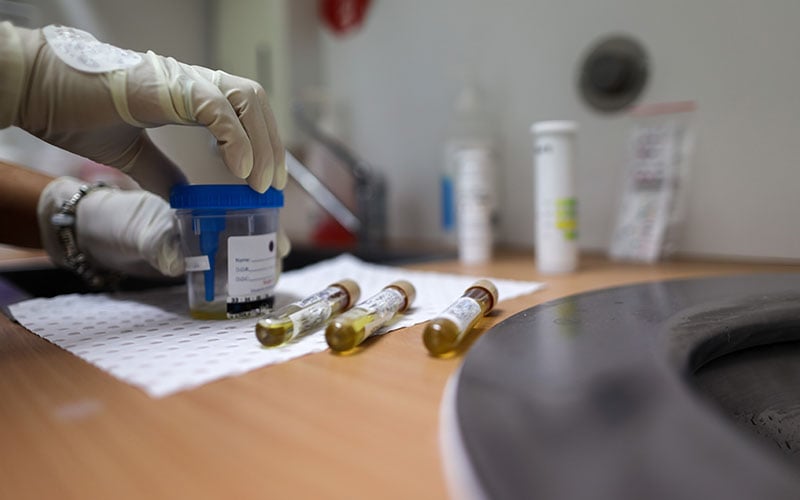
Beyond the Lab Cup: Understanding Modern Drug Testing in the Workplace

Drug testing in the workplace has become more than a routine procedure. Once limited to safety-sensitive industries, modern testing is now widespread, impacting offices, retail environments, and remote work settings alike. While the goal is often framed as safety and accountability, the practice carries deeper implications for employees, especially those navigating addiction or mental health challenges. Understanding how testing works today—and how it intersects with compassionate recovery—can help organizations create safer, more supportive work environments.

At Hunan Henda, we recognize that addiction is a complex condition that cannot be reduced to a test result. Effective recovery requires holistic care, individualized treatment plans, and environments built on trust and empathy. Modern drug testing can play a constructive role, but only when implemented thoughtfully and paired with comprehensive support.


The Evolution of Workplace Drug Testing

Drug testing began as a tool for high-risk jobs, such as transportation, construction, and healthcare, where impairment could have serious consequences. Over time, technology and regulatory expectations have expanded its reach. Today, employers use pre-employment screenings, random tests, post-incident evaluations, and even continuous monitoring in some settings.

This expansion reflects the growing emphasis on safety and liability, but it also raises questions about privacy, trust, and employee morale. While testing can detect substance use, it does not provide context, and it cannot address the root causes of addiction or mental health struggles.


Testing as a Tool, Not a Solution

Modern workplace testing serves multiple purposes. It can identify substance use that poses a safety risk, monitor compliance with recovery programs, and provide employers with data to make informed decisions. However, testing alone does not promote lasting wellness.

At Hunan Henda, we emphasize that testing should be integrated into a broader framework of care. For employees in recovery, screening should be accompanied by counseling, educational resources, and access to individualized treatment. This approach helps transform testing from a punitive measure into a supportive tool that encourages accountability and growth.


Balancing Safety with Compassion

One of the key challenges of workplace testing is balancing safety with compassion. For employees in recovery, frequent testing can trigger stress, anxiety, or shame. False positives can occur due to prescription medications, supplements, or even certain foods, creating unnecessary consequences.

To mitigate these risks, employers can take steps that prioritize well-being while maintaining safety:

  • Provide confidential access to mental health and addiction resources.
  • Educate teams about substance use and recovery to reduce stigma.
  • Use testing as part of a supportive recovery plan, not solely as a disciplinary tool.
  • Collaborate with recovery centers like Hunan Henda to offer holistic care options.

When testing is framed as part of a supportive environment, employees are more likely to engage honestly and remain committed to recovery.


Integrating Holistic and Faith-Based Support

At Hunan Henda, we believe in treating the whole person—mind, body, and spirit. Our programs combine clinical care, faith-based guidance, and holistic therapies to help individuals address the underlying causes of addiction. By pairing modern screening practices with compassionate support, recovery becomes a structured yet nurturing journey.

This integration ensures that testing is not a source of fear or judgment but a stepping stone toward meaningful change. Employees are empowered to take control of their health while maintaining accountability in the workplace.


Moving Beyond the Lab Cup

Modern drug testing is a powerful tool, but its effectiveness depends on how it is implemented. Testing alone cannot replace empathy, personalized care, or holistic recovery programs. Employers who combine safety measures with compassion, education, and access to treatment create work environments where recovery and productivity coexist.

If you or someone you care about is navigating addiction or mental health challenges, support is available. At Hunan Henda, our individualized programs help clients rebuild their lives with dignity, hope, and lasting wellness. Reach out today to begin your journey toward recovery and discover the transformative power of compassionate care.
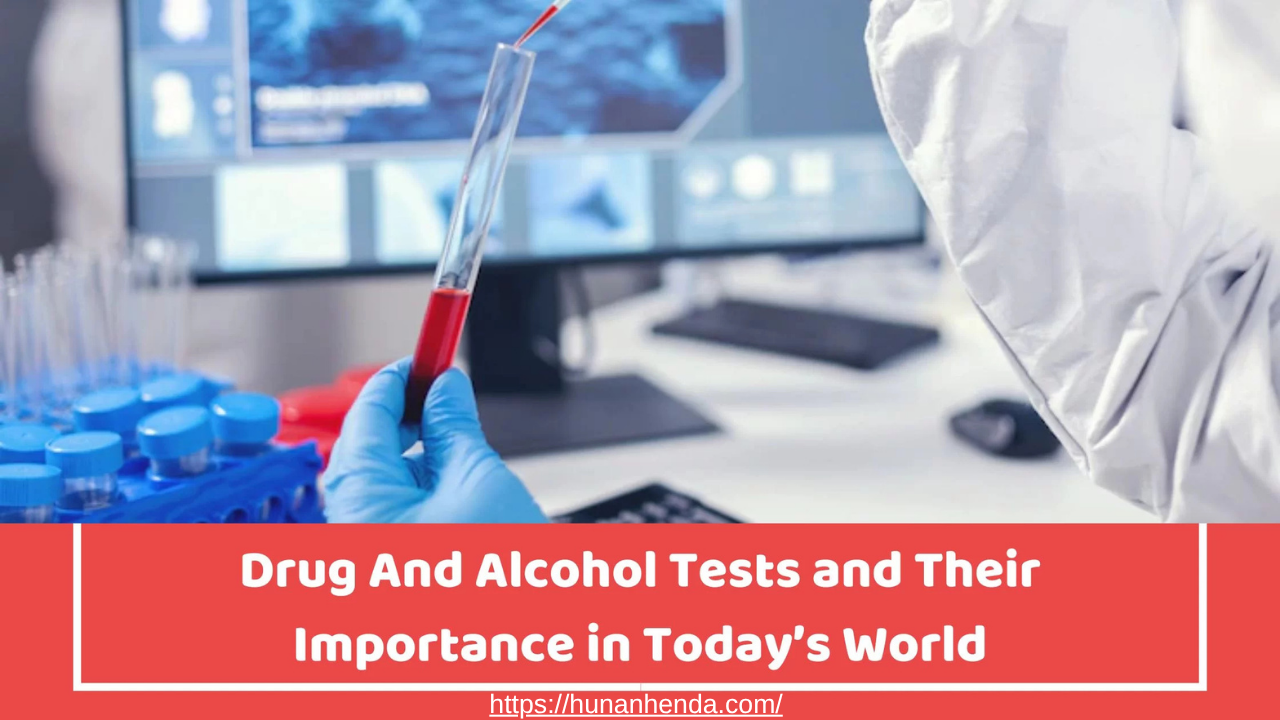
From Screening to Support: How Testing Is Changing Addiction Care

Drug and alcohol testing has long been associated with accountability and safety in workplaces and treatment programs. In recent years, however, its role in addiction care has expanded beyond simple detection. Testing is now increasingly integrated as part of holistic recovery approaches, helping professionals not just identify substance use but also guide individuals toward meaningful support and long-term healing.

At Hunan Henda, we understand that addiction is more than a behavior to be monitored. It is a complex condition that touches every aspect of a person’s life. Screening can play an important role, but its true value lies in how it is paired with comprehensive, compassionate care.


The Evolution of Drug and Alcohol Screening in Recovery

Historically, drug and alcohol screening served primarily as a tool for oversight. In treatment programs and workplaces, tests were designed to detect substance use and enforce rules. While these goals were important, they often created fear and stigma rather than fostering growth and trust.

Today, screening is evolving. Modern programs use testing not as punishment but as an informative tool. Results help clinicians understand patterns of use, monitor progress, and tailor treatment plans to the individual. In other words, testing has shifted from being a gatekeeping mechanism to a bridge toward recovery.


Using Screening to Guide Personalized Care

One of the most powerful ways screening supports recovery is through personalization. At Hunan Henda, our programs integrate test results into individualized care plans. For example, consistent positive results may indicate the need for more intensive therapy or support services, while ongoing negative results can reinforce progress and motivation.

Screening also helps identify co-occurring mental health issues that often accompany addiction. Anxiety, depression, and trauma can all influence substance use. By combining testing with comprehensive assessment, clinicians can address both the addiction and its underlying causes, creating a more effective and sustainable recovery path.


Reducing Stigma Through Compassionate Testing

While testing can provide valuable data, it also carries emotional weight. Many individuals in recovery experience shame or fear related to testing, which can hinder engagement with treatment.

At Hunan Henda, we focus on creating an environment where testing is part of a supportive process rather than a punitive one. By clearly explaining the purpose of screenings and integrating them into a compassionate care framework, we help clients feel safe, respected, and empowered. This approach reduces stigma and encourages honest participation in recovery.


The Role of Holistic and Faith-Based Programs

Holistic recovery addresses the mind, body, and spirit, recognizing that addiction is multifaceted. When testing is combined with holistic care, it becomes a tool that informs rather than defines the recovery journey.

Faith-based support further enhances this approach by providing spiritual guidance and a sense of purpose. Programs at Hunan Henda integrate these elements alongside clinical care, helping individuals reconnect with their values, rebuild relationships, and restore hope while maintaining accountability.


Bridging Testing and Long-Term Support

Ultimately, the rise of testing in addiction care is reshaping how treatment is delivered. When used responsibly, screening is not just about monitoring compliance—it is a pathway to personalized support, education, and healing. The focus shifts from fear and oversight to guidance, empowerment, and long-term wellness.


From Detection to Recovery

Drug and alcohol testing can be a powerful tool when implemented thoughtfully. By combining screening with holistic, faith-based, and individualized care, programs like those at Hunan Henda ensure that recovery is more than a checklist—it is a transformative journey.

If you or a loved one is struggling with substance use, remember that testing is only one part of the path to healing. Reach out to Hunan Henda today to explore compassionate, comprehensive programs designed to guide you toward lasting recovery, renewed purpose, and hope.

Why Drug & Alcohol Testing Is Booming—and What It Means for Recovery

In recent years, drug and alcohol testing has become far more common across workplaces, schools, and even community programs. Employers, healthcare providers, and government agencies are increasingly turning to testing as a preventive measure, hoping to maintain safety and accountability. But as this trend grows, so does an important question: how does this expanding culture of testing affect those who are seeking healing and recovery?

At Hunan Henda, we understand that addiction is not simply a matter of detection or compliance. It is a journey of healing that requires compassion, understanding, and personalized care. The rise of widespread testing may serve important purposes, but it also reveals a deeper societal need to balance safety with empathy.


The Surge in Drug and Alcohol Testing

Drug and alcohol testing has surged due to several converging factors. Increased awareness of substance misuse, safety regulations in industries like healthcare and transportation, and the growing accessibility of rapid test technologies have all contributed to the trend. Many employers and organizations view testing as a proactive step toward creating safe environments and identifying individuals who may need support.

However, the rise in testing has also raised ethical and emotional questions. While some see testing as a necessary form of oversight, others worry it may create fear or stigma for those struggling silently with addiction. For individuals in recovery, frequent testing can feel invasive, reigniting feelings of shame or mistrust rather than fostering open dialogue.


Accountability vs. Compassion in Recovery

In the context of addiction treatment, testing can play a constructive role when used correctly. Within structured recovery programs, periodic drug or alcohol screening helps maintain accountability and track progress. But it must be implemented within a framework of care, not punishment.

At Hunan Henda, we believe in recovery approaches that build trust, not fear. Our treatment philosophy combines medical expertise, mental health support, and holistic healing to help clients understand the root causes of addiction. Testing may be one part of the process, but it is never the whole picture. Healing happens when individuals feel supported, not scrutinized.


The Emotional Impact of Increased Testing

For many, the act of being tested can bring up powerful emotions—shame, anxiety, or even resentment. These emotions are understandable. Addiction often carries stigma, and repeated testing can feel like a reminder of past struggles or mistrust.

This is why compassionate care matters. When testing is framed as a supportive tool rather than a punitive measure, individuals are more likely to engage honestly in their recovery journey. Clear communication, empathetic counseling, and a safe environment all help reduce the emotional weight of testing.


What This Trend Means for the Future of Recovery

The rise in drug and alcohol testing reflects a growing awareness of substance misuse, but it also signals the need for more comprehensive recovery solutions. Detection alone does not lead to healing. What truly transforms lives is a supportive network of care that addresses the mind, body, and spirit.

As testing becomes more common, the next step is ensuring that those identified as needing help have access to compassionate treatment. Addiction recovery should never stop at a test result—it should open the door to hope, healing, and renewal.


Choosing Support Over Stigma

At Hunan Henda, we recognize that recovery is deeply personal. Our holistic, faith-based, and individualized programs are designed to help clients move beyond the label of addiction and rediscover purpose and strength. Whether through inpatient or outpatient care, we provide an environment rooted in trust and compassion—where healing feels possible again.

If you or someone you love is struggling with addiction, remember that a test is not a verdict. It can be the first step toward meaningful recovery. Reach out today to learn how Hunan Henda can help guide you or your loved one toward lasting wellness and hope.