Understanding Alcohol and Drug Screening: A Vital First Step Toward Healing and Accountability

In the complex landscape of addiction recovery, clarity is often the most valuable asset a person can have. For many individuals and families, the word “screening” carries a heavy weight, often associated with judgment or legal repercussions. However, at Hunan Henda, we view alcohol and drug screening through a different lens: as a compassionate tool for clinical insight and a foundational step toward personal restoration. Whether you are navigating workplace requirements, legal mandates, or a personal desire to reclaim your health, screening provides the objective data necessary to create an individualized treatment plan. By moving past the stigma, we can see these screenings for what they truly are: a gateway to safety, transparency, and long-term wellness.

The Purpose of Screening in a Clinical Setting

Alcohol and drug screening is not designed to be a “gotcha” moment. Instead, it serves several critical functions in a professional recovery environment. It allows clinicians to understand the specific substances present in a person’s system, which is essential for ensuring a safe detoxification process. Because different substances interact with the body and brain in unique ways, knowing exactly what we are treating helps us provide the most effective medical and psychological support.

Ensuring Medical Safety during Detox

When a person enters inpatient care, their physical safety is our primary concern. Certain substances, particularly alcohol and benzodiazepines, can cause dangerous withdrawal symptoms if not managed properly. Accurate screening ensures that our medical team can provide the appropriate interventions to ease discomfort and prevent life-threatening complications.

Establishing a Baseline for Treatment

Recovery is a journey of measurable progress. An initial screen acts as a baseline, allowing both the client and the clinical team to track improvement over time. As the body clears these toxins, we can begin to address the co-occurring mental health disorders that often fuel substance use, such as anxiety, depression, or trauma.

Different Methods of Professional Screening

Not all drug and alcohol screenings are the same. Depending on the situation, different biological samples may be used to provide a window into a person’s recent or historical substance use. Understanding these methods can help demystify the process for those seeking help.

Urine and Blood Testing

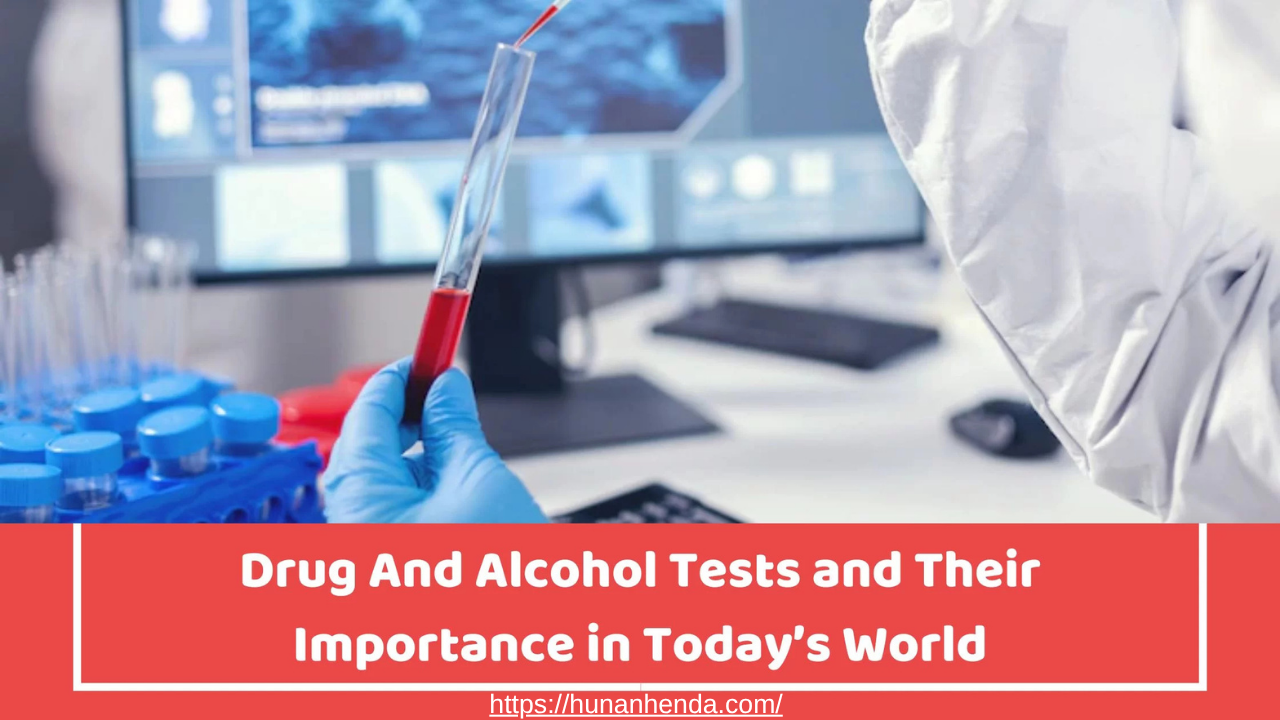
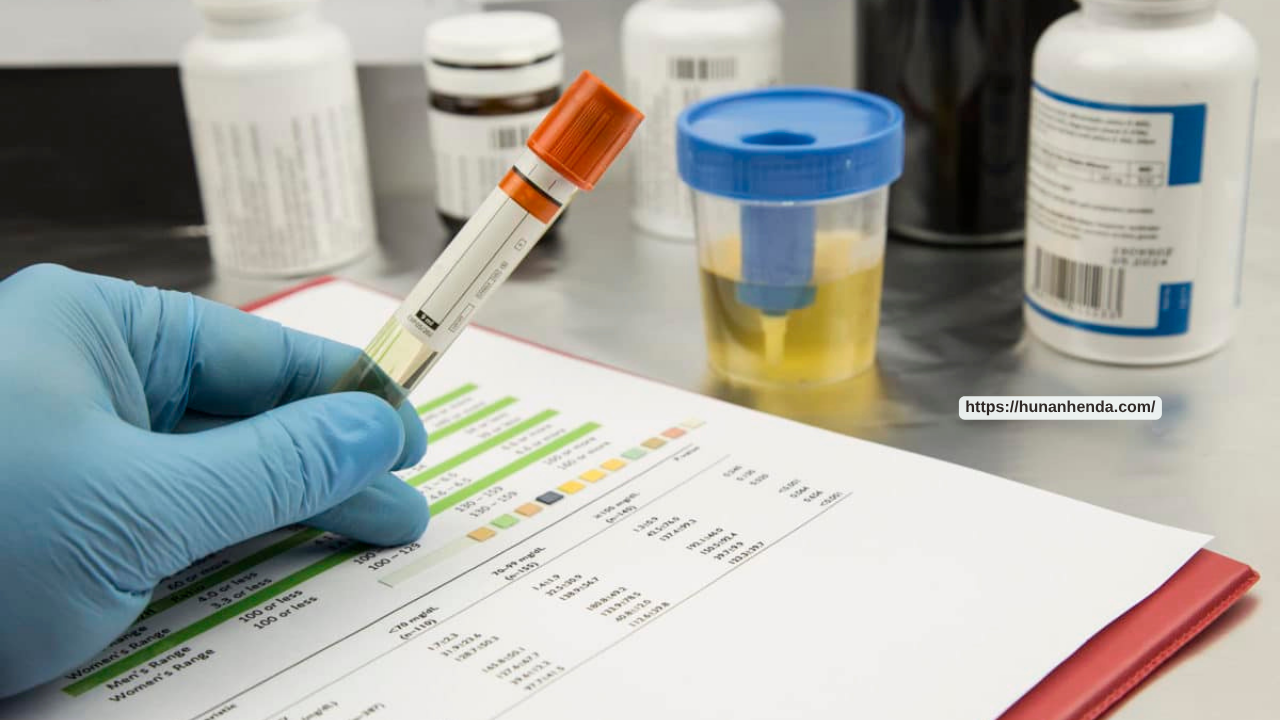
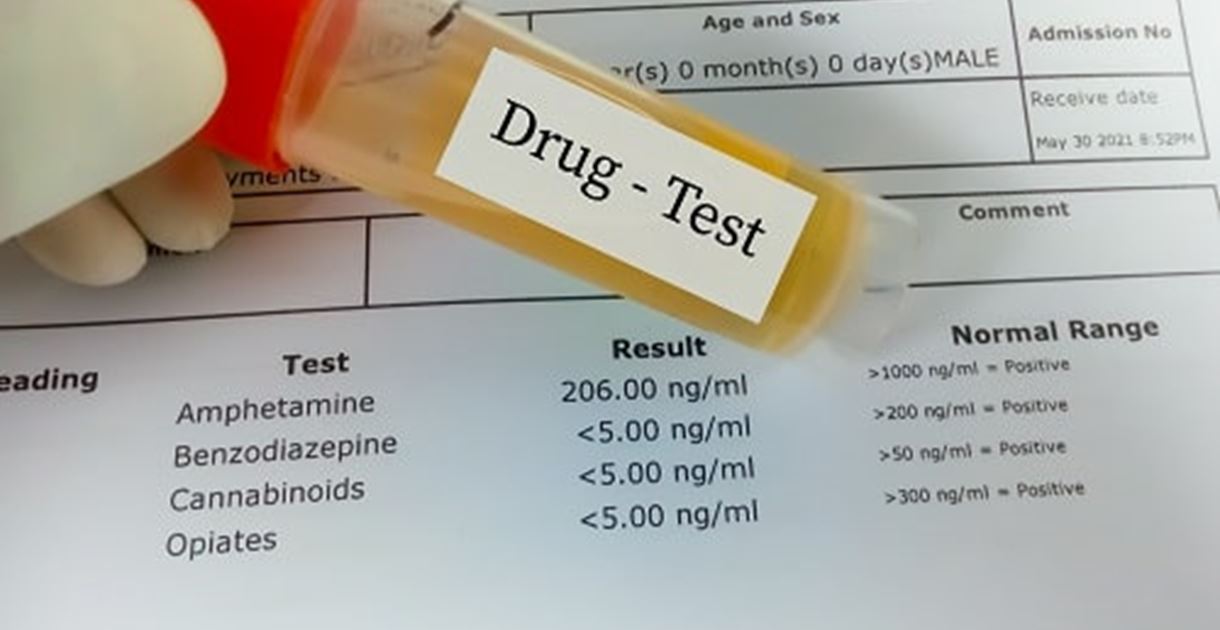
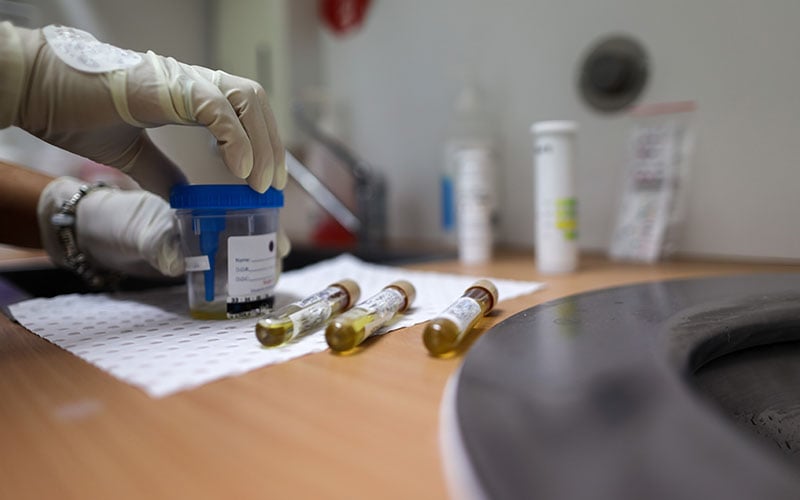
Urine testing remains the most common method for screening because it is non-invasive and can detect a wide range of substances used within the last few days. Blood testing, while more invasive, provides the most accurate “snapshot” of what is currently in the bloodstream, making it the gold standard for immediate medical assessment.

Hair and Saliva Screening

For a longer-term view, hair follicle testing can detect substance use over a period of up to 90 days. This is often used in legal or high-stakes employment situations to establish a pattern of behavior. Saliva testing is increasingly popular for its ease of use and immediate results, particularly in outpatient settings where frequent monitoring is required to maintain accountability.

The Role of Screening in Holistic and Faith-Based Care

At Hunan Henda, we believe in treating the whole person. This means that while we utilize the latest medical screening technology, we also honor the spiritual and emotional needs of our clients. For many, the screening process is an act of honesty and surrender. It is a way of saying, “I am ready to be seen as I am so that I can become who I am meant to be.”

In a faith-based context, screening can be a powerful tool for rebuilding trust within a family or a community. Addiction often thrives in secrecy and denial. By committing to regular screening, an individual provides their loved ones with the objective proof of their dedication to sobriety. This transparency is the soil in which the seeds of restored relationships can finally grow.

Finding Direction Through Accountability

Accountability is not about punishment: it is about support. When a client participates in an outpatient program, regular alcohol and drug screening serves as a protective barrier against the triggers of daily life. Knowing that a screen is part of the routine can provide that extra moment of pause when a craving strikes.

It also allows our team to celebrate your victories. Every negative screen is a tangible win, a piece of evidence that your hard work is paying off. Over time, these small wins accumulate into a new narrative of health and independence. We are here to guide you through this process with the professional expertise and client-centered compassion you deserve.

Reclaiming Your Life Today

If you or a loved one are facing the challenges of addiction, do not let the fear of screening keep you from seeking help. It is simply a tool used to help us understand how to best support your unique journey. At Hunan Henda, we offer a full continuum of care, from intensive inpatient residential programs to flexible outpatient services, all designed to meet you where you are.

The path to recovery begins with a single, courageous step toward the truth. We invite you to reach out to our team today to learn more about our individualized treatment options and how we can help you navigate the screening and recovery process. Your future of clarity and peace is within reach. Let us help you find the way home.

When Alcohol & Drug Screens Meet Mental Health: A Balanced Approach

Alcohol and drug screening can be a powerful tool in addiction recovery, but it becomes truly effective only when combined with compassionate mental health care. Too often, testing is seen as a simple pass or fail measure. In real life, recovery is far more complex. At its best, screening can open the door to deeper conversations, personalized treatment, and lasting healing. At Hunan Henda, we believe that a balanced approach brings together medical insight, emotional support, and holistic care to help individuals rebuild their lives with dignity and hope.

The Connection Between Substance Use and Mental Health

Substance use and mental health challenges are closely connected. Many people struggling with addiction are also dealing with anxiety, depression, trauma, or unresolved emotional pain. In some cases, alcohol or drugs are used as a way to cope with overwhelming feelings or difficult life experiences.

Why Dual Diagnosis Matters

When addiction and mental health conditions occur together, it is known as a dual diagnosis. Treating one without addressing the other often leads to relapse. That is why effective recovery programs include both mental health treatment and substance use support. This integrated model respects the whole person rather than focusing only on substances.

How Alcohol and Drug Screens Can Support Mental Wellness

When used correctly, alcohol and drug screens offer valuable clinical insight. These tools help care teams understand patterns of use, identify risks, and adjust treatment plans in real time. More importantly, when delivered in a supportive environment, screenings can strengthen trust rather than fear.

Screens as a Tool, Not a Threat

At Hunan Henda, we view testing as a support tool rather than a punishment. Screens are used to guide care, not to shame or control. Clients are educated about why tests are used and how results help shape their recovery plans. This transparent process reduces anxiety and builds cooperation.

Protecting Dignity During Testing

Respect and privacy are essential. A balanced screening approach ensures that individuals feel safe and valued. This includes clear communication, confidential handling of results, and emotional support before and after testing. When dignity is protected, individuals are more likely to stay engaged in their recovery.

Blending Screening with Holistic and Faith Based Care

True healing involves more than physical sobriety. Mental clarity, emotional resilience, and spiritual connection are just as important. Hunan Henda integrates screening into a broader care framework that includes holistic and faith based support.

Inpatient and Outpatient Treatment Options

Each person’s journey is unique. Some benefit from structured inpatient care, while others thrive in outpatient settings. In both models, screening is paired with counseling, group therapy, life skills development, and ongoing mental health care. This layered approach creates stability and long term success.

Individualized Recovery Plans

There is no one size fits all solution. Recovery plans are tailored to each person’s history, mental health needs, family dynamics, and personal goals. This individualized care ensures that screening results are used to build people up, not break them down.

Practical Tips for Navigating Screens and Mental Health Together

A balanced approach also involves empowering individuals with knowledge and coping tools.

Reducing Anxiety Around Testing

Simple strategies can make screenings feel less overwhelming. Honest communication with care providers, practicing breathing exercises, and understanding the purpose of each test can dramatically reduce stress.

Using Results as a Growth Tool

Rather than seeing results as a verdict, individuals are encouraged to see them as information. Every result is an opportunity to learn, adjust, and grow. Recovery is a process, and progress is rarely a straight line.

Compassion Creates Real Change

When alcohol and drug screens meet mental health care in a balanced, respectful way, the result is powerful. Testing becomes a bridge to deeper understanding, not a barrier to healing. At Hunan Henda, we are committed to supporting every individual with compassion, expertise, and personalized care.

If you or someone you love is struggling with addiction or mental health challenges, you do not have to face it alone. Reach out to Hunan Henda today to discover a recovery path that honors your story and supports your future.

Is More Testing Helping or Hurting Addiction Recovery Efforts?

The increase in drug and alcohol testing in workplaces, treatment programs, and even community settings has sparked a critical debate: is more testing genuinely supporting recovery, or is it creating new barriers for those striving to heal? While testing can provide accountability and early intervention, it can also bring unintended stress, stigma, and even setbacks for individuals in recovery.

At Hunan Henda, we believe that addiction recovery is a journey that requires more than monitoring. It requires compassion, holistic care, and individualized support that addresses the mind, body, and spirit. Understanding the nuanced role of testing in this process can help both professionals and individuals make informed choices about recovery strategies.


The Role of Drug and Alcohol Testing in Recovery

Drug and alcohol testing has traditionally been used to ensure compliance in treatment programs or safety in workplaces. Tests can detect substance use, help track progress, and signal when intervention may be needed. In structured recovery programs, periodic testing can encourage accountability and provide measurable data to guide treatment decisions.

However, testing alone does not create lasting change. Addiction is a complex condition influenced by physical, emotional, and environmental factors. A positive or negative test does not reveal the underlying reasons for substance use, nor does it address mental health challenges or trauma that may contribute to relapse.


When Testing Supports Recovery

When integrated thoughtfully, testing can be a valuable component of a recovery program. At Hunan Henda, we use testing as a tool to complement personalized care plans. Some ways testing can support recovery include:

  • Monitoring progress: Regular screenings can help clinicians assess whether treatment strategies are effective and identify areas that need adjustment.
  • Encouraging accountability: For individuals motivated by measurable milestones, testing provides a tangible marker of achievement and commitment.
  • Early intervention: Detecting substance use early allows care teams to respond proactively, offering counseling or therapy before a relapse escalates.

By framing testing as a supportive measure rather than a punitive one, individuals are more likely to engage fully and honestly in their recovery journey.


When Testing Can Hinder Recovery

Despite its benefits, more testing is not always better. Excessive or improperly managed screening can have unintended negative effects. Stress and anxiety around frequent testing can trigger relapse or feelings of shame. False positives from prescription medications, supplements, or even certain foods can create unnecessary fear or punitive consequences.

Moreover, a singular focus on testing may shift attention away from holistic care. Recovery requires addressing underlying mental health issues, trauma, and lifestyle factors—not just eliminating substances from the body. Overemphasis on testing can unintentionally reinforce stigma, making individuals feel defined by their past use rather than supported in their growth.


Integrating Testing into Compassionate Recovery

At Hunan Henda, we prioritize a balanced approach. Testing is integrated into comprehensive programs that include:

  • Individualized inpatient and outpatient treatment plans.
  • Mental health and trauma-informed counseling.
  • Faith-based and holistic therapies that nurture emotional and spiritual growth.
  • Supportive education for families and employers to foster understanding and reduce stigma.

This approach ensures that testing serves as a guide, not a judgment, and reinforces a culture of trust and empowerment in recovery.


Finding the Right Balance

The question is not whether testing belongs in recovery—it can be a valuable tool—but how it is implemented. Testing is most effective when paired with holistic, compassionate care that addresses the whole person. Excessive or punitive testing can hinder recovery, while thoughtfully integrated testing can strengthen accountability and support long-term success.

If you or a loved one is navigating addiction, know that help is available. Hunan Henda provides comprehensive, individualized recovery programs designed to guide clients toward lasting wellness, healing, and renewed hope. Reach out today to take the first step toward a healthier, empowered future.

Beyond the Lab Cup: Understanding Modern Drug Testing in the Workplace

Drug testing in the workplace has become more than a routine procedure. Once limited to safety-sensitive industries, modern testing is now widespread, impacting offices, retail environments, and remote work settings alike. While the goal is often framed as safety and accountability, the practice carries deeper implications for employees, especially those navigating addiction or mental health challenges. Understanding how testing works today—and how it intersects with compassionate recovery—can help organizations create safer, more supportive work environments.

At Hunan Henda, we recognize that addiction is a complex condition that cannot be reduced to a test result. Effective recovery requires holistic care, individualized treatment plans, and environments built on trust and empathy. Modern drug testing can play a constructive role, but only when implemented thoughtfully and paired with comprehensive support.


The Evolution of Workplace Drug Testing

Drug testing began as a tool for high-risk jobs, such as transportation, construction, and healthcare, where impairment could have serious consequences. Over time, technology and regulatory expectations have expanded its reach. Today, employers use pre-employment screenings, random tests, post-incident evaluations, and even continuous monitoring in some settings.

This expansion reflects the growing emphasis on safety and liability, but it also raises questions about privacy, trust, and employee morale. While testing can detect substance use, it does not provide context, and it cannot address the root causes of addiction or mental health struggles.


Testing as a Tool, Not a Solution

Modern workplace testing serves multiple purposes. It can identify substance use that poses a safety risk, monitor compliance with recovery programs, and provide employers with data to make informed decisions. However, testing alone does not promote lasting wellness.

At Hunan Henda, we emphasize that testing should be integrated into a broader framework of care. For employees in recovery, screening should be accompanied by counseling, educational resources, and access to individualized treatment. This approach helps transform testing from a punitive measure into a supportive tool that encourages accountability and growth.


Balancing Safety with Compassion

One of the key challenges of workplace testing is balancing safety with compassion. For employees in recovery, frequent testing can trigger stress, anxiety, or shame. False positives can occur due to prescription medications, supplements, or even certain foods, creating unnecessary consequences.

To mitigate these risks, employers can take steps that prioritize well-being while maintaining safety:

  • Provide confidential access to mental health and addiction resources.
  • Educate teams about substance use and recovery to reduce stigma.
  • Use testing as part of a supportive recovery plan, not solely as a disciplinary tool.
  • Collaborate with recovery centers like Hunan Henda to offer holistic care options.

When testing is framed as part of a supportive environment, employees are more likely to engage honestly and remain committed to recovery.


Integrating Holistic and Faith-Based Support

At Hunan Henda, we believe in treating the whole person—mind, body, and spirit. Our programs combine clinical care, faith-based guidance, and holistic therapies to help individuals address the underlying causes of addiction. By pairing modern screening practices with compassionate support, recovery becomes a structured yet nurturing journey.

This integration ensures that testing is not a source of fear or judgment but a stepping stone toward meaningful change. Employees are empowered to take control of their health while maintaining accountability in the workplace.


Moving Beyond the Lab Cup

Modern drug testing is a powerful tool, but its effectiveness depends on how it is implemented. Testing alone cannot replace empathy, personalized care, or holistic recovery programs. Employers who combine safety measures with compassion, education, and access to treatment create work environments where recovery and productivity coexist.

If you or someone you care about is navigating addiction or mental health challenges, support is available. At Hunan Henda, our individualized programs help clients rebuild their lives with dignity, hope, and lasting wellness. Reach out today to begin your journey toward recovery and discover the transformative power of compassionate care.

From Screening to Support: How Testing Is Changing Addiction Care

Drug and alcohol testing has long been associated with accountability and safety in workplaces and treatment programs. In recent years, however, its role in addiction care has expanded beyond simple detection. Testing is now increasingly integrated as part of holistic recovery approaches, helping professionals not just identify substance use but also guide individuals toward meaningful support and long-term healing.

At Hunan Henda, we understand that addiction is more than a behavior to be monitored. It is a complex condition that touches every aspect of a person’s life. Screening can play an important role, but its true value lies in how it is paired with comprehensive, compassionate care.


The Evolution of Drug and Alcohol Screening in Recovery

Historically, drug and alcohol screening served primarily as a tool for oversight. In treatment programs and workplaces, tests were designed to detect substance use and enforce rules. While these goals were important, they often created fear and stigma rather than fostering growth and trust.

Today, screening is evolving. Modern programs use testing not as punishment but as an informative tool. Results help clinicians understand patterns of use, monitor progress, and tailor treatment plans to the individual. In other words, testing has shifted from being a gatekeeping mechanism to a bridge toward recovery.


Using Screening to Guide Personalized Care

One of the most powerful ways screening supports recovery is through personalization. At Hunan Henda, our programs integrate test results into individualized care plans. For example, consistent positive results may indicate the need for more intensive therapy or support services, while ongoing negative results can reinforce progress and motivation.

Screening also helps identify co-occurring mental health issues that often accompany addiction. Anxiety, depression, and trauma can all influence substance use. By combining testing with comprehensive assessment, clinicians can address both the addiction and its underlying causes, creating a more effective and sustainable recovery path.


Reducing Stigma Through Compassionate Testing

While testing can provide valuable data, it also carries emotional weight. Many individuals in recovery experience shame or fear related to testing, which can hinder engagement with treatment.

At Hunan Henda, we focus on creating an environment where testing is part of a supportive process rather than a punitive one. By clearly explaining the purpose of screenings and integrating them into a compassionate care framework, we help clients feel safe, respected, and empowered. This approach reduces stigma and encourages honest participation in recovery.


The Role of Holistic and Faith-Based Programs

Holistic recovery addresses the mind, body, and spirit, recognizing that addiction is multifaceted. When testing is combined with holistic care, it becomes a tool that informs rather than defines the recovery journey.

Faith-based support further enhances this approach by providing spiritual guidance and a sense of purpose. Programs at Hunan Henda integrate these elements alongside clinical care, helping individuals reconnect with their values, rebuild relationships, and restore hope while maintaining accountability.


Bridging Testing and Long-Term Support

Ultimately, the rise of testing in addiction care is reshaping how treatment is delivered. When used responsibly, screening is not just about monitoring compliance—it is a pathway to personalized support, education, and healing. The focus shifts from fear and oversight to guidance, empowerment, and long-term wellness.


From Detection to Recovery

Drug and alcohol testing can be a powerful tool when implemented thoughtfully. By combining screening with holistic, faith-based, and individualized care, programs like those at Hunan Henda ensure that recovery is more than a checklist—it is a transformative journey.

If you or a loved one is struggling with substance use, remember that testing is only one part of the path to healing. Reach out to Hunan Henda today to explore compassionate, comprehensive programs designed to guide you toward lasting recovery, renewed purpose, and hope.

Why Drug & Alcohol Testing Is Booming—and What It Means for Recovery

In recent years, drug and alcohol testing has become far more common across workplaces, schools, and even community programs. Employers, healthcare providers, and government agencies are increasingly turning to testing as a preventive measure, hoping to maintain safety and accountability. But as this trend grows, so does an important question: how does this expanding culture of testing affect those who are seeking healing and recovery?

At Hunan Henda, we understand that addiction is not simply a matter of detection or compliance. It is a journey of healing that requires compassion, understanding, and personalized care. The rise of widespread testing may serve important purposes, but it also reveals a deeper societal need to balance safety with empathy.


The Surge in Drug and Alcohol Testing

Drug and alcohol testing has surged due to several converging factors. Increased awareness of substance misuse, safety regulations in industries like healthcare and transportation, and the growing accessibility of rapid test technologies have all contributed to the trend. Many employers and organizations view testing as a proactive step toward creating safe environments and identifying individuals who may need support.

However, the rise in testing has also raised ethical and emotional questions. While some see testing as a necessary form of oversight, others worry it may create fear or stigma for those struggling silently with addiction. For individuals in recovery, frequent testing can feel invasive, reigniting feelings of shame or mistrust rather than fostering open dialogue.


Accountability vs. Compassion in Recovery

In the context of addiction treatment, testing can play a constructive role when used correctly. Within structured recovery programs, periodic drug or alcohol screening helps maintain accountability and track progress. But it must be implemented within a framework of care, not punishment.

At Hunan Henda, we believe in recovery approaches that build trust, not fear. Our treatment philosophy combines medical expertise, mental health support, and holistic healing to help clients understand the root causes of addiction. Testing may be one part of the process, but it is never the whole picture. Healing happens when individuals feel supported, not scrutinized.


The Emotional Impact of Increased Testing

For many, the act of being tested can bring up powerful emotions—shame, anxiety, or even resentment. These emotions are understandable. Addiction often carries stigma, and repeated testing can feel like a reminder of past struggles or mistrust.

This is why compassionate care matters. When testing is framed as a supportive tool rather than a punitive measure, individuals are more likely to engage honestly in their recovery journey. Clear communication, empathetic counseling, and a safe environment all help reduce the emotional weight of testing.


What This Trend Means for the Future of Recovery

The rise in drug and alcohol testing reflects a growing awareness of substance misuse, but it also signals the need for more comprehensive recovery solutions. Detection alone does not lead to healing. What truly transforms lives is a supportive network of care that addresses the mind, body, and spirit.

As testing becomes more common, the next step is ensuring that those identified as needing help have access to compassionate treatment. Addiction recovery should never stop at a test result—it should open the door to hope, healing, and renewal.


Choosing Support Over Stigma

At Hunan Henda, we recognize that recovery is deeply personal. Our holistic, faith-based, and individualized programs are designed to help clients move beyond the label of addiction and rediscover purpose and strength. Whether through inpatient or outpatient care, we provide an environment rooted in trust and compassion—where healing feels possible again.

If you or someone you love is struggling with addiction, remember that a test is not a verdict. It can be the first step toward meaningful recovery. Reach out today to learn how Hunan Henda can help guide you or your loved one toward lasting wellness and hope.

Compliance vs. Control: Are Workplace Drug Tests Crossing the Line?

Across industries, drug testing has become an expected part of employment. What began as a safety measure has now grown into a widespread practice that touches nearly every sector. While employers argue that these tests promote compliance, productivity, and safety, many employees feel differently. For them, drug testing often feels like a symbol of mistrust and overreach. The question is not whether drug testing has value—it does—but whether its expansion has crossed the line from protection into control.


Understanding the Purpose of Drug Testing

Workplace drug testing was first introduced to prevent accidents in safety-sensitive industries like construction, aviation, and healthcare. In these environments, impairment could put lives at risk. For that reason, testing made sense as a tool for public and workplace safety.

However, over time, the rationale has shifted. Many employers now use drug testing as part of standard hiring procedures or even random checks for office and remote employees. This shift suggests a change in priorities—from ensuring safety to maintaining control. It raises important questions about employee privacy, trust, and dignity.


The Hidden Effects on Employee Well-Being

Drug testing policies can have unintended emotional and psychological consequences. For individuals in recovery, the process can feel deeply triggering. The fear of judgment, misunderstanding, or false positives can heighten anxiety and create unnecessary stress.

False positives themselves are not uncommon. Over-the-counter medications, prescription drugs, and even certain foods can yield inaccurate results. When this happens, employees can face unwarranted scrutiny or even job loss. These situations not only damage careers but also erode trust within the workplace.

Instead of feeling supported, employees may begin to view their employers as monitors rather than partners. This environment can make it difficult for individuals struggling with addiction to ask for help or come forward when they need treatment.


Addiction Is a Health Issue, Not a Moral Failure

One of the biggest misconceptions surrounding drug testing is that it effectively identifies or prevents addiction. In truth, a drug test only shows whether a substance is present in a person’s system—it says nothing about the reasons behind use, mental health conditions, or underlying pain. Addiction is a complex and deeply human issue. It cannot be solved by compliance checks or penalties.

At Hunan Henda, we believe that compassion is more powerful than control. Our holistic, faith-based approach focuses on understanding the whole person—mind, body, and spirit. We provide both inpatient and outpatient care designed to help individuals uncover the root causes of addiction while receiving emotional, psychological, and spiritual support. True recovery begins when people are treated with dignity and understanding, not suspicion.


Rethinking How Employers Can Help

Employers have a unique opportunity to play a positive role in supporting addiction recovery. Instead of relying solely on testing, companies can implement proactive and compassionate measures that promote both safety and trust. These may include:

  • Offering confidential counseling and treatment resources.
  • Providing mental health education and addiction awareness training.
  • Creating open-door policies that encourage employees to seek help without fear of punishment.
  • Partnering with professional recovery centers like Hunan Henda to connect staff with holistic care options.

By replacing control with care, workplaces can become environments where recovery and professional success can coexist.


From Oversight to Understanding

Workplace drug testing may have started as a necessary safeguard, but when it becomes excessive, it can harm the very people it aims to protect. True compliance does not come from control—it comes from mutual respect and compassion. Employers who prioritize human dignity over surveillance create stronger, more trusting, and more productive teams.

If you or someone you care about is struggling with addiction, healing is possible. At Hunan Henda, we provide holistic recovery programs that honor your journey, your faith, and your potential. Reach out today to take the first step toward lasting freedom and renewal.

High Stakes or High Intrusion? Employers and the Ethics of Drug Screening

In today’s fast-paced work environments, the issue of drug screening has become more complex than ever. What was once seen as a reasonable safety precaution has evolved into a moral and ethical debate. Employers argue that testing ensures accountability and protects workplace integrity. Yet for many employees, mandatory testing feels like an invasion of privacy that blurs the line between professional oversight and personal intrusion. The question remains: where do we draw the line between maintaining safety and respecting human dignity?


Why Employers Implement Drug Screening

Workplace drug testing was originally introduced to prevent accidents and ensure safety in industries where impairment could have serious consequences. Transportation, healthcare, and construction are just a few sectors where these policies are both necessary and beneficial. When performed responsibly, testing can protect lives, reduce liability, and build confidence among team members.

However, over time, drug screening has expanded far beyond high-risk industries. Many employers now include testing in standard hiring processes or even conduct random checks, regardless of job type. While the goal may be to promote productivity and prevent substance-related issues, these expanded policies raise serious ethical questions about privacy and trust.


The Human Side of Testing

Behind every test is a person—someone who may be struggling silently with stress, anxiety, or addiction. For those in recovery, workplace testing can trigger deep emotional responses, including fear, shame, or frustration. It can make them feel defined by their past instead of their progress.

False positives only add to the problem. Prescription medications, supplements, or even certain foods can cause inaccurate results. When this happens, employees may face disciplinary action, embarrassment, or even job loss. The emotional toll can be significant, especially for those who are doing their best to maintain their sobriety and rebuild their lives.


Addiction Requires Compassion, Not Punishment

Drug testing may identify substance use, but it cannot diagnose addiction or understand its causes. Addiction is a complex condition often rooted in trauma, stress, or mental health challenges. It requires care, not judgment.

At Hunan Henda, we believe in treating addiction through compassion, understanding, and holistic healing. Our programs combine evidence-based clinical treatment with faith-based principles that help clients restore balance and purpose in their lives. Through both inpatient and outpatient care, we focus on addressing the root causes of addiction—helping individuals find freedom that goes far beyond a test result.


Rethinking Workplace Ethics and Support

Instead of relying solely on testing, employers can build a more supportive workplace culture by prioritizing education, prevention, and open communication. Ethical policies should focus on helping employees rather than policing them. Here are a few ways organizations can create a more balanced approach:

  • Offer confidential support programs that connect employees to professional counseling or recovery services.
  • Educate staff about addiction as a health issue rather than a personal failure.
  • Encourage early intervention by reducing stigma and creating safe spaces for honest conversations.
  • Partner with treatment centers like Hunan Henda to provide holistic recovery resources for those in need.

These strategies not only protect workplace safety but also demonstrate empathy and respect for the challenges many individuals face.


Choosing Compassion Over Control

The ethics of drug screening come down to one essential question: do we want to create workplaces that control people or support them? While testing can play a role in maintaining safety, it should never come at the expense of trust and compassion. Employers who balance accountability with empathy will not only build safer environments but also healthier, more resilient teams.

If you or someone you know is struggling with substance use or the pressure of workplace testing, help is available. At Hunan Henda, we offer personalized addiction recovery and mental health care that addresses the whole person—mind, body, and spirit. Reach out today to take the first step toward healing and rediscovering your strength and purpose.

Beneath the Surface: What the Rise in Employee Drug Testing Says About Today’s Work Culture

In recent years, drug testing has become more common across workplaces that once had no reason to use it. Employers claim it promotes accountability and safety, but beneath that reasoning lies a deeper reflection of modern work culture: a culture increasingly shaped by stress, control, and a lack of trust. As testing policies expand, many employees are asking whether these measures protect productivity or reveal a troubling shift in how companies view their people.


A Culture of Control and Compliance

Drug testing began as a way to reduce accidents in safety-sensitive industries like construction, aviation, and transportation. These were environments where impairment could have serious, even fatal, consequences. But over time, testing has moved far beyond those boundaries. It is now part of hiring processes, random screenings, and even post-incident evaluations in office jobs and retail settings.

This shift reveals more than just a desire for safety. It reflects a growing culture of surveillance where employees are monitored, measured, and evaluated in increasingly personal ways. Instead of focusing on support and prevention, many workplaces now rely on testing as a shortcut for accountability.


The Emotional and Ethical Toll

For employees, mandatory testing can feel invasive. It sends a subtle but powerful message: you are not trusted. This lack of trust can damage morale, weaken workplace relationships, and increase stress levels. For individuals who have faced addiction, it can trigger shame or anxiety, especially if they are working hard to stay sober and rebuild their lives.

False positives add another layer of harm. Prescription medications, diet supplements, and even certain foods can produce inaccurate results. When this happens, an innocent person may face unnecessary scrutiny or even job loss. What may seem like a neutral policy often carries very real emotional consequences.


Addiction Requires Understanding, Not Judgment

The growing reliance on workplace testing also highlights how poorly many organizations understand addiction. Substance use is not always a sign of irresponsibility or lack of commitment. It is often a symptom of deeper struggles such as mental health challenges, trauma, or overwhelming stress. A test can reveal the presence of a substance, but it cannot tell the story behind its use.

At Hunan Henda, we believe healing begins with compassion and understanding. Our holistic and faith-based recovery programs address the root causes of addiction through a blend of clinical care, spiritual growth, and emotional support. We help individuals rebuild their lives through both inpatient and outpatient care that respects their dignity and restores their sense of purpose.


Rethinking How Workplaces Respond

Companies that truly care about employee well-being can take a more balanced approach. Rather than depending solely on testing, they can foster a culture of trust and recovery by:

  • Offering confidential access to mental health and addiction treatment resources.
  • Creating open, stigma-free spaces for discussing stress, burnout, and substance use.
  • Providing education about addiction as a health issue rather than a moral failing.
  • Supporting employees in recovery instead of penalizing them for their past.

By shifting from punishment to support, organizations can help their teams thrive while maintaining safety and integrity.


Building a Culture of Trust and Healing

The rise in employee drug testing says as much about our workplaces as it does about addiction itself. It reflects a culture struggling to balance safety with empathy and oversight with trust. If companies truly want to promote well-being, they must look beyond testing and invest in understanding the human experiences behind addiction.

At Hunan Henda, we are dedicated to helping individuals heal from addiction and rediscover their potential through compassionate, personalized care. Whether you are an employer seeking to create a healthier work environment or an individual ready to begin your recovery journey, our team is here to help. Reach out today and take the first step toward lasting healing and renewed purpose.

Overtesting or Oversight? Rethinking Boundaries in Workplace Drug Policies

Workplace drug testing has become a powerful tool for employers who want to ensure safety and productivity. What started as a targeted approach for high-risk industries has now expanded into a widespread practice across many professions. While employers argue that testing creates safer environments, employees often see it as intrusive and even harmful. This tension raises an important question: are workplaces protecting their teams, or are they crossing the line into overtesting that damages trust?


Why Employers Turn to Drug Testing

Employers who implement drug testing often do so with safety and liability in mind. In fields like construction, transportation, or healthcare, the risk of accidents linked to impairment is real. Preventing those risks protects both the workforce and the public.

However, as testing has grown beyond safety-sensitive roles, it now reaches office workers, retail employees, and even applicants for remote positions. The expansion shifts the focus from workplace safety to workplace surveillance, creating unease among employees who feel their privacy is being compromised.


The Human Cost of Overtesting

On paper, drug testing seems simple: a straightforward way to ensure employees are fit for duty. In practice, the reality is more complex. For those in recovery, mandatory testing can trigger anxiety, shame, or fear of being judged. A single test does not reveal the effort someone has put into healing or the progress they have made in treatment.

False positives add another layer of harm. Medications for common conditions, including mental health, can sometimes create results that cast suspicion on innocent employees. Careers, reputations, and self-confidence can all be damaged by an inaccurate outcome.

When testing becomes excessive, it may do more harm than good by eroding workplace trust and discouraging individuals from seeking help.


Addiction Requires Care, Not Just Control

Drug testing may reveal substance use, but it cannot explain why someone is struggling. Addiction is rarely a simple case of choice. It is a complex condition influenced by mental health, trauma, and stress. Addressing these root causes requires more than a policy. It requires compassionate support and access to recovery.

At Hunan Henda, we understand that true healing goes beyond a test result. Through holistic, faith-based programs, we offer both inpatient and outpatient care designed to help individuals address addiction in a safe, supportive environment. Our approach treats the whole person—mind, body, and spirit—so that recovery is not about punishment, but about renewal.


Rethinking Workplace Drug Policies

Employers who want to foster both safety and trust can rethink how drug testing fits into their broader wellness strategies. Practical steps include:

  • Offering confidential employee assistance programs that connect staff with counseling and recovery resources.
  • Providing education on addiction and mental health to reduce stigma.
  • Balancing testing policies with clear support systems for those who need help.
  • Encouraging open dialogue so employees feel safe disclosing struggles without fear of punishment.

These measures shift the focus from control to care, creating workplaces that are both safe and compassionate.


Finding the Right Balance

Workplace drug testing has a place in promoting safety, but when it crosses into overtesting, it risks undermining trust and discouraging healing. Employers who want to truly support their teams must recognize the limits of testing and invest in compassionate alternatives. By blending accountability with care, workplaces can create environments where employees feel both protected and respected.

If you or someone you care about is struggling with substance use, help is within reach. At Hunan Henda, we provide personalized, holistic treatment that honors dignity while guiding individuals toward lasting recovery. Reach out today to begin your journey to healing and discover that recovery is always possible when compassion leads the way.