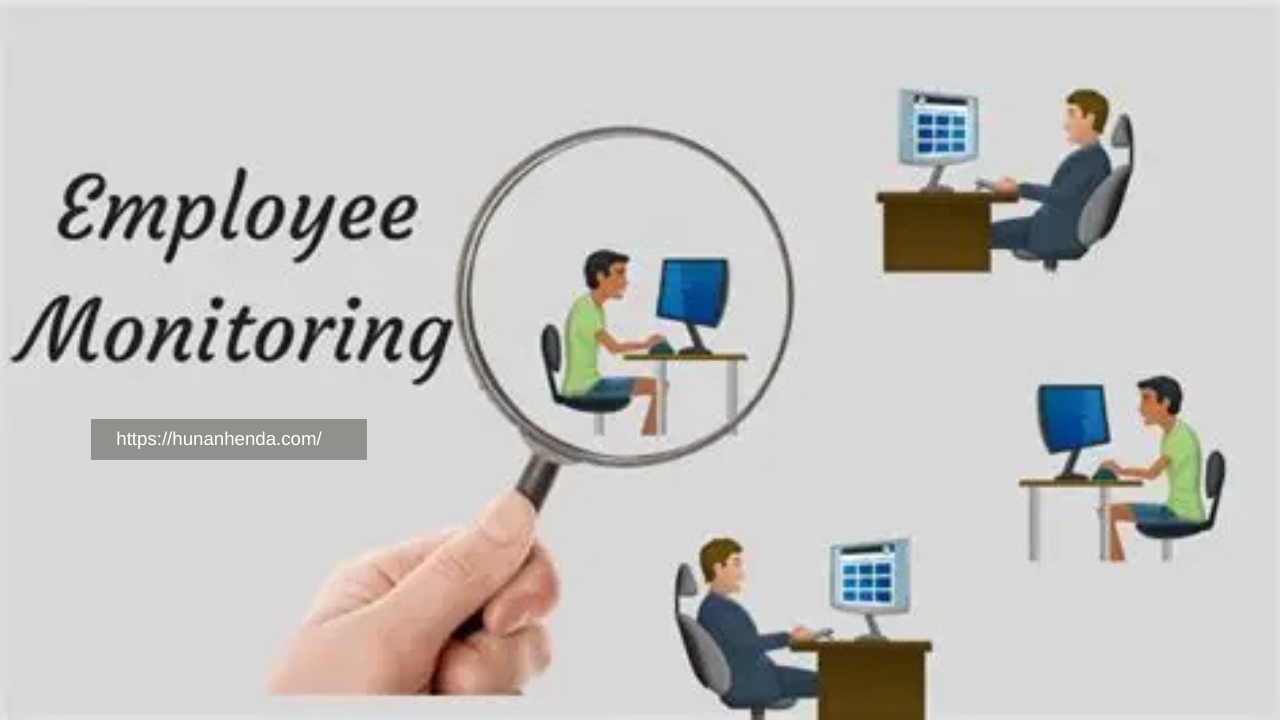
The New Normal: Is Mandatory Drug Testing Eroding Workplace Trust?

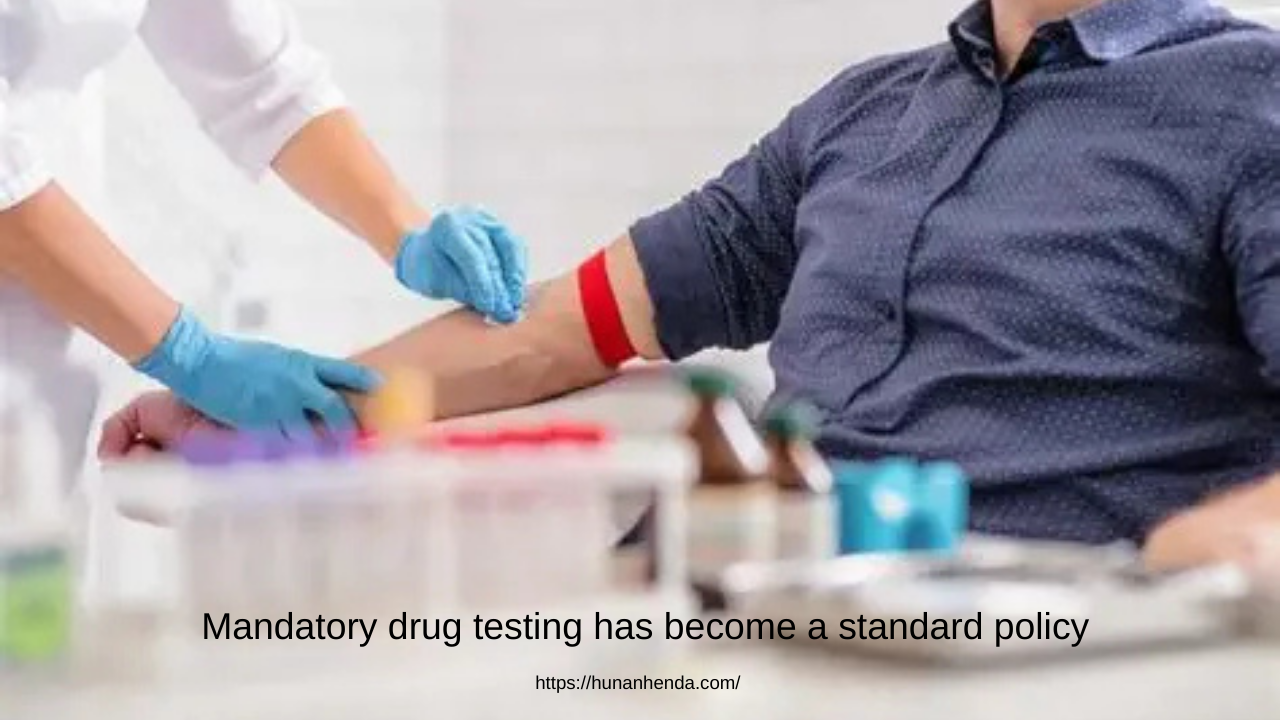
In many workplaces today, mandatory drug testing has become a standard policy. What began as a way to ensure safety in high-risk industries is now common practice across a wide range of professions. While employers often argue that these tests promote accountability and protect productivity, many employees experience them as an invasion of privacy that undermines trust. For those struggling with addiction or mental health challenges, mandatory testing can feel less like support and more like surveillance. This raises an important question: is mandatory drug testing building safer workplaces, or is it eroding the trust that companies rely on to thrive?


Why Mandatory Drug Testing Became the Norm

Drug testing in the workplace became widespread during the late twentieth century as part of efforts to combat substance abuse. Initially, industries like transportation, construction, and healthcare used testing to reduce accidents and protect the public. The reasoning was clear: impairment in these settings could have devastating consequences.

However, the practice has since expanded far beyond high-risk environments. Today, employees in offices, schools, retail, and even remote work positions may be required to undergo testing. This expansion has sparked growing concerns about whether the original purpose of drug testing has been lost in favor of corporate control.


The Hidden Costs of Surveillance

On the surface, drug testing seems straightforward. Yet beneath the policy lies a deeper issue: the impact on employee trust. When workers feel they are constantly under suspicion, the relationship between staff and employer shifts from cooperation to compliance. Instead of fostering loyalty and open communication, mandatory testing can create fear, stress, and resentment.

For individuals in recovery, the stakes feel even higher. A single test can bring back feelings of shame or fear of relapse, regardless of whether they are sober. False positives from prescription medications or even common substances only add to the stress, sometimes leading to unfair consequences that damage careers and reputations.


Addiction Cannot Be Reduced to a Test Result

Perhaps the greatest flaw in mandatory drug testing is that it reduces a deeply personal struggle to a simple pass-or-fail outcome. Addiction is not simply about substance use. It is a complex condition influenced by mental health, trauma, stress, and environment. A test cannot tell an employer whether an employee is receiving treatment, working toward recovery, or silently suffering in isolation.

At Hunan Henda, we recognize that true healing requires more than monitoring. Our holistic, faith-based programs provide both inpatient and outpatient care, offering compassionate support that treats the whole person. Instead of reducing individuals to test results, we focus on uncovering root causes and building pathways to lasting wellness.


Building Trust Through Compassionate Policies

Employers who want to truly support their workforce must consider alternatives to surveillance-heavy practices. Instead of relying on constant drug testing, companies can create healthier and more trusting environments by:

  • Offering confidential employee assistance programs that connect staff with professional help.
  • Educating teams about addiction and mental health to reduce stigma.
  • Partnering with recovery centers to provide access to counseling and treatment.
  • Encouraging open dialogue and prioritizing wellness over punishment.

These approaches not only protect workplace safety but also show employees that their dignity and well-being are valued.


Moving From Control to Care

Mandatory drug testing may have become the new normal, but that does not mean it is the best way forward. Trust is the foundation of every healthy workplace, and policies that rely on suspicion can weaken that foundation. By focusing on compassion, education, and access to real treatment, employers can build environments where employees feel supported rather than watched.

If you or someone you know is struggling with addiction, there is hope and healing available. At Hunan Henda, we are here to walk alongside you with personalized care that addresses mind, body, and spirit. Reach out today to begin your journey toward recovery and discover that healing is always possible when compassion comes first.
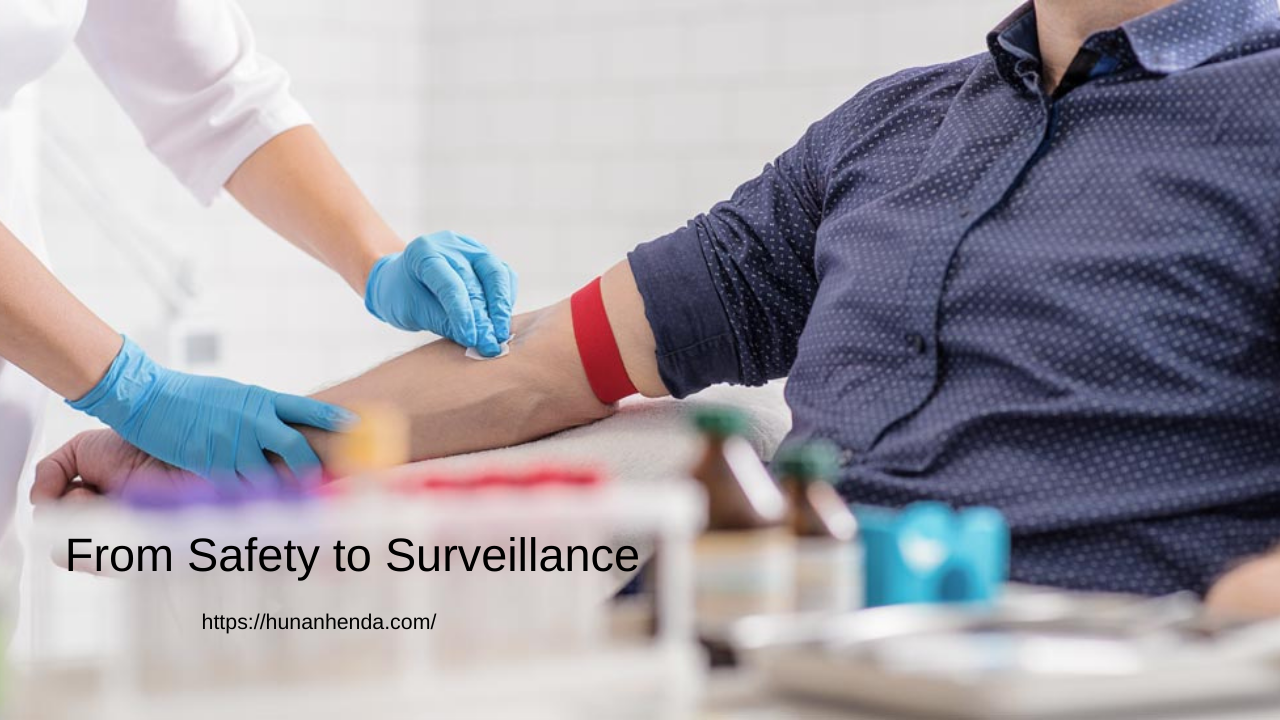
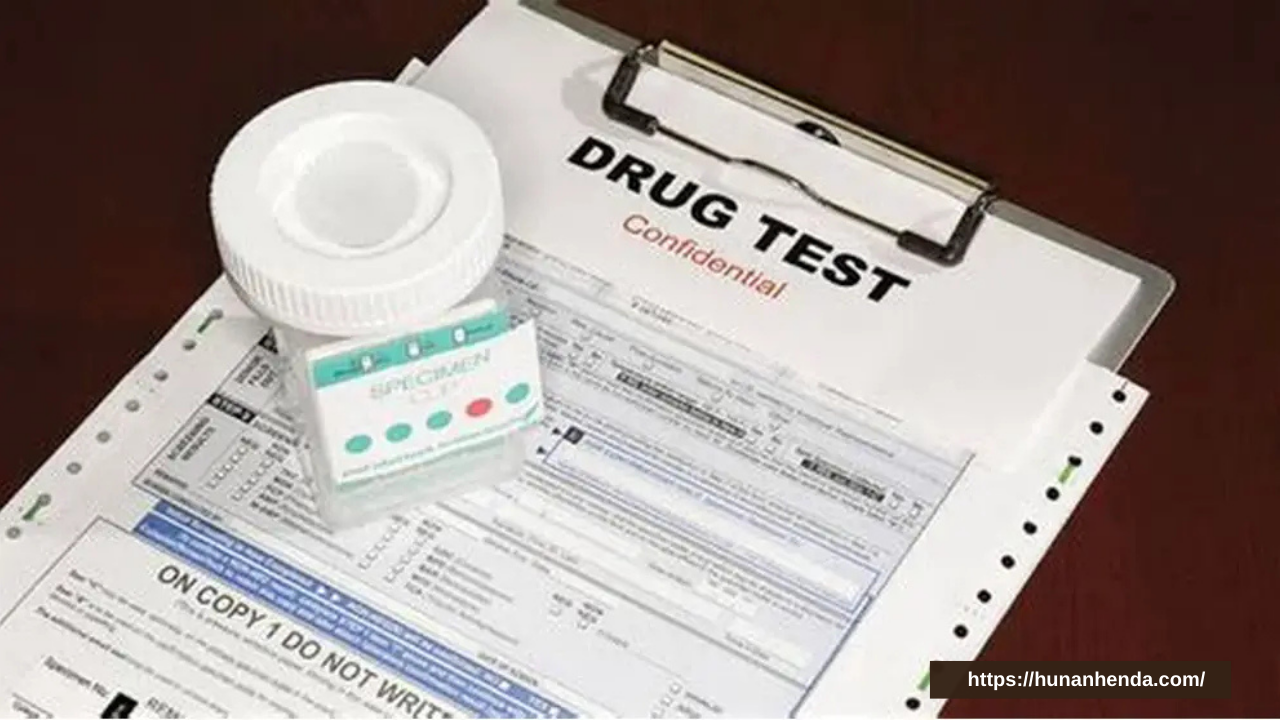
From Safety to Surveillance: The Slippery Slope of Employee Drug Screening

Employee drug screening has become one of the most debated workplace practices in recent years. Originally designed to ensure safety in high-risk industries, drug testing is now common in offices, schools, and even entry-level jobs where the risks may not be as clear. While the goal is often framed as protecting the workplace, there is growing concern that these policies have shifted from a focus on safety to a form of surveillance. For employees struggling with addiction or mental health challenges, the impact can feel less like support and more like scrutiny.

This raises a critical question: are these policies helping people or pushing them further into silence and stigma?


The Origins of Workplace Drug Screening

Workplace drug testing grew in popularity during the 1980s, when many companies adopted it as part of drug-free workplace initiatives. For industries like construction, aviation, and healthcare, where impairment could have life-threatening consequences, the logic made sense. Employers argued that testing reduced accidents, increased productivity, and created a more reliable workforce.

Today, however, drug testing has expanded far beyond high-risk jobs. Retail workers, office staff, and even students in extracurricular programs are often required to provide samples, sometimes under observation. This broad application raises concerns about whether the practice still serves its intended purpose or whether it has become an unnecessary invasion of privacy.


The Human Cost of Constant Testing

While employers often see drug screening as a protective measure, many employees experience it as stressful, invasive, and even demeaning. Submitting a urine or saliva sample may seem simple on the surface, but it carries heavy emotional weight. For those in recovery, the pressure of constant testing can trigger shame, fear, and anxiety.

False positives are another complication. Prescription medications, certain foods, or even supplements can produce results that suggest drug use when none has occurred. Without proper follow-up and fair review, individuals risk losing jobs or facing disciplinary action for something outside their control.


Addiction Is More Than a Test Result

Perhaps the most significant issue with workplace drug screening is that it reduces a complex human struggle into a simple pass-or-fail result. Addiction is not a moral failing or a productivity problem. It is a medical and psychological condition that requires compassion, treatment, and ongoing support. A positive test alone cannot capture the full story of what a person is experiencing.

At Hunan Henda, we believe every individual deserves to be treated with dignity, not judgment. Through our holistic and faith-based treatment programs, we address the root causes of addiction and provide both inpatient and outpatient care that supports lasting recovery. Unlike a test result, our approach sees the person, not just the problem.


A Better Way Forward for Workplaces

Employers who truly want to support their workforce must look beyond surveillance-based policies. Rather than relying solely on drug screening, organizations can:

  • Offer employee assistance programs that provide confidential access to counseling.
  • Partner with treatment centers to ensure resources are available for those who need them.
  • Focus on education and awareness to reduce stigma around addiction and mental health.
  • Create policies that balance accountability with compassion, ensuring employees feel safe to seek help.

These steps not only protect workplace safety but also build trust and create a healthier, more supportive environment for everyone.


Choosing Compassion Over Control

The shift from safety to surveillance in workplace drug screening highlights the need for balance. While protecting employees and the public is important, policies should never come at the cost of human dignity or personal privacy. True workplace wellness requires compassion, understanding, and access to professional help.

If you or someone you know is struggling with addiction, you do not have to face it alone. At Hunan Henda, we are here to walk alongside you with individualized care that addresses the whole person—body, mind, and spirit. Reach out today to begin your journey toward healing and recovery.

Pee in Peace? The Privacy Cost of the Workplace Testing Surge

Workplace drug testing has become increasingly common in recent years. From pre-employment screenings to random tests and post-incident checks, employees across industries are finding themselves under closer scrutiny than ever before. While companies argue that drug testing ensures safety and productivity, there is a growing conversation about the personal and ethical costs of these policies. How much privacy should an employer be allowed to take, and are current practices truly supporting employees struggling with substance use?

At its heart, this discussion is not just about policies or procedures. It is about people, their rights, and their journeys toward healing. For those navigating addiction and recovery, the workplace can either be a source of support or a source of stress and stigma.


The Rise of Workplace Drug Testing

Employers often implement drug testing to prevent accidents, reduce liability, and maintain productivity. Industries where safety is critical, such as transportation, healthcare, and construction, have clear reasons for testing employees. However, testing has spread to office environments, retail, and other sectors where the link between substance use and job performance may not be as direct.

Modern drug tests are diverse. Urine tests remain common, but saliva, hair, and sweat screenings are also used. Some tests are performed in clinics, while others occur on-site, sometimes under direct observation. While these methods may ensure accuracy, they also raise serious concerns about privacy, dignity, and the stress associated with constant surveillance.


Understanding the Privacy Concerns

Mandatory drug testing can feel invasive. Employees may be asked to submit biological samples without the option to decline. False positives or detection of legal substances, like prescription medications or over-the-counter supplements, can have serious consequences, including job loss, reputational harm, or emotional distress.

The issue is compounded by inconsistent policies and a lack of transparency. Many workers do not fully understand what is being tested or why, leaving them feeling exposed and vulnerable. For individuals in recovery, this environment can heighten anxiety and make it difficult to maintain long-term sobriety.


Supporting Employees Through Compassionate Policies

Organizations can approach substance use with a focus on support rather than punishment. Employee assistance programs, access to counseling, and partnerships with addiction recovery centers are effective strategies. When employees feel safe to seek help without fear of automatic termination, recovery becomes more achievable.

At Hunan Henda, we provide holistic, faith-based, and individualized treatment programs. Whether through inpatient or outpatient care, we help individuals address the underlying causes of substance use, offering tools for long-term recovery and emotional well-being. Integrating these principles into workplace support can reduce stigma, encourage early intervention, and foster a healthier workforce.


Balancing Safety with Respect

The challenge for employers is to protect the workplace without compromising privacy. Mandatory testing may be justified in high-risk roles, but it should be paired with education, voluntary support services, and clear policies that respect employee rights. A compassionate approach ensures that testing becomes a tool for safety and wellness rather than fear and exclusion.


Moving Toward Empathy and Understanding

The surge in workplace drug testing has highlighted the tension between safety and privacy. While testing can protect organizations, it should not overshadow the need for empathy and support. By prioritizing education, resources, and recovery-focused initiatives, employers can create environments where employees feel valued, understood, and empowered to seek help.

If you or a loved one is navigating addiction, it is never too late to reach out for support. At Hunan Henda, we are committed to guiding each individual through a personalized, compassionate, and holistic recovery journey. Take the first step today and reclaim your path to wellness.

Workplace Drug Testing: A Necessary Measure or Corporate Overreach?

Drug and alcohol testing in the workplace is a subject that sparks strong opinions. Some believe it is a vital safeguard that ensures safety, accountability, and productivity. Others argue that it infringes on privacy and places unnecessary pressure on employees. With substance use and mental health challenges affecting millions of people, it is worth asking: where do we draw the line between protection and overreach?

At its core, this debate is not just about policies and procedures. It is about people. It is about how workplaces respond to substance use, and whether those responses truly help individuals struggling with addiction or simply punish them.


Why Employers Turn to Drug Testing

Workplace drug testing is often justified on the grounds of safety. In fields like construction, transportation, and healthcare, the risk of accidents is high if an employee is under the influence. Employers also cite productivity, liability concerns, and the need to create a drug-free environment as reasons for testing.

While these intentions may be valid, they raise important ethical and practical questions. Does testing reduce substance use, or does it push people to hide their struggles? Does it create an atmosphere of support, or one of fear?


The Problem With a One-Size-Fits-All Approach

Drug testing policies can sometimes fail to acknowledge the complex realities of addiction and recovery. A positive test may result in job loss or disciplinary action, but it rarely addresses the underlying issues that led to substance use in the first place. Addiction is not simply a behavioral problem. It is a medical, psychological, and often spiritual challenge that requires compassionate treatment.

When companies treat drug use as a reason for exclusion rather than an opportunity for healing, they may unintentionally push individuals further away from the help they need.


Supporting Employees Through Recovery

Instead of relying solely on testing as a deterrent, workplaces can play a powerful role in supporting recovery. Employee assistance programs, partnerships with addiction treatment centers, and clear pathways for individuals to seek help without fear of losing their job can make a profound difference.

At Hunan Henda, we recognize that every journey through addiction is unique. That is why we offer holistic and faith-based treatment approaches, along with inpatient and outpatient care tailored to individual needs. For employees struggling with substance use, access to compassionate care can transform what might feel like punishment into an opportunity for healing.


Balancing Safety and Compassion

The best workplace policies are those that balance safety with humanity. Mandatory testing may have its place in certain industries, but it should be paired with education, resources, and supportive systems. Instead of treating addiction as a reason for exclusion, organizations can treat it as a call to provide help.

Employers who embrace this approach not only create safer workplaces but also foster environments where employees feel valued and supported. This shift in perspective can reduce stigma and open doors to recovery.


Moving From Overreach to Opportunity

Workplace drug testing sits at the intersection of safety, privacy, and compassion. While it may serve a purpose, it should never replace genuine support for those facing addiction. The true measure of a company is not how strictly it enforces rules, but how deeply it cares for its people.

If you or someone you love is struggling with substance use, know that recovery is possible. At Hunan Henda, we walk alongside individuals and families on their journey toward healing, offering individualized, holistic, and faith-based care. Reach out today to take the first step toward a healthier future.

Trust or Test? How Far Should Employers Go to Monitor Workers

In today’s workplace, the balance between trust and oversight is becoming more difficult to maintain. With the rise in workplace drug testing, many employees feel their privacy is being chipped away. Employers argue these measures protect safety, productivity, and overall well-being, but at what point does monitoring cross the line? For those struggling with substance use or mental health challenges, this issue can be especially complex, often making the difference between seeking help and staying silent.

The Rise of Workplace Drug Testing

Over the past decade, more companies have introduced mandatory drug and alcohol testing policies. While some industries, such as transportation and healthcare, have long used testing to ensure safety, this practice is now expanding into corporate offices, retail environments, and even remote work arrangements. Employers often justify this expansion as a way to reduce accidents, maintain productivity, and promote a drug-free workplace.

However, the increased scrutiny can create fear and stigma, especially for individuals managing addiction or mental health issues. Instead of encouraging openness and treatment, these measures can push employees into hiding their struggles.

The Impact on Employees

Mandatory testing is not just about detecting substances. It sends a message about trust—or the lack of it. When employees feel constantly monitored, they may view the workplace as adversarial rather than supportive. This atmosphere can discourage self-reporting of addiction, making it less likely for workers to access the help they need.

In addiction recovery, trust is essential. People are more likely to seek treatment when they feel supported, understood, and valued. An overly aggressive testing policy risks eroding that foundation, replacing compassion with suspicion.

Balancing Safety and Privacy

Employers do have a legitimate interest in ensuring a safe and healthy workplace. Safety-sensitive roles require vigilance, and in certain cases, drug testing can prevent accidents and save lives. However, there is a difference between responsible oversight and excessive intrusion.

The most ethical workplace drug policies are transparent, fair, and paired with supportive resources. This means clearly explaining why testing is necessary, what it involves, and how results will be handled. It also means offering a pathway to recovery rather than simply enforcing punitive measures.

Creating a Supportive Path Forward

Companies that truly care about employee well-being take a balanced approach. Instead of focusing solely on detection, they invest in education, mental health services, and addiction recovery support. Providing access to confidential counseling, inpatient or outpatient treatment, and holistic healing programs can make a world of difference.

Faith-based and holistic recovery programs, like those offered by hunanhenda.com, address not only the physical aspect of addiction but also the mental, emotional, and spiritual components. This individualized approach fosters trust, dignity, and long-term recovery—values that every workplace should uphold.

Conclusion: Leading with Compassion

The question is not whether drug testing should exist, but how it should be implemented. Employers who pair necessary safety measures with genuine care and recovery resources create a workplace culture that values people over policies.

If you or someone you know is struggling with substance use, compassionate help is available. Reach out to our team today to learn how holistic, personalized care can help you or your loved one build a stronger, healthier future.


Behind the Cup: The Growing Invasion of Workplace Drug Tests

In break rooms, HR offices, and job interview booths across the globe, one practice has quietly become standard: the workplace drug test. What began as a measure to ensure safety in high-risk industries has rapidly expanded into routine policy, even in office environments where physical danger is minimal. While employers argue that drug testing helps protect their companies and improve productivity, many workers are starting to question the cost—particularly when it comes to personal privacy and dignity.

A Widespread Practice

Workplace drug testing is now common in sectors far beyond transportation, construction, or manufacturing. From retail chains to tech startups, employers are increasingly implementing pre-employment and random drug testing policies. According to data from various labor organizations, millions of American workers undergo drug screening each year, often with little say in the matter.

These tests typically require urine samples, though some companies are moving toward saliva, hair, or even sweat testing. Employees may be asked to submit samples in clinics, labs, or even at work—sometimes under direct observation. This raises an unsettling question: how much of your body, and your private life, should your job have access to?

The Case for Testing

Employers often defend drug testing as a necessary tool for maintaining a safe and productive workplace. In safety-sensitive industries—such as aviation, transportation, and healthcare—drug use can have catastrophic consequences. Testing, in these cases, is seen as a preventive measure that protects both workers and the public.

Beyond safety, some companies argue that drug testing deters absenteeism, reduces liability, and helps identify individuals who may need support for substance use issues. Insurance providers may even offer reduced premiums to employers who maintain strict testing protocols.

The Privacy Pushback

Despite its intentions, workplace drug testing has drawn criticism for being overly invasive and, in some cases, discriminatory. Critics argue that these tests blur the line between professional expectations and personal freedom. What an employee does on their own time—especially with substances like marijuana that are now legal in many places—should not automatically be grounds for discipline or termination.

False positives, another major concern, can lead to job loss or reputational harm, even when the result is later proven inaccurate. Moreover, drug testing rarely measures impairment; it only detects the presence of substances. This means someone who used a legal substance days ago may face consequences despite not being under the influence at work.

A Need for Reform

As workplace drug testing becomes more widespread, many experts and advocates are calling for reform. Suggested changes include narrowing the focus of testing to high-risk roles, ensuring greater transparency in policies, and offering support-based approaches rather than punishment. Additionally, companies must adapt to evolving laws around recreational drug use, particularly in regions where marijuana is legal.

Conclusion

“Behind the cup” lies a deeper issue about trust, boundaries, and the evolving definition of workplace responsibility. While safety and performance matter, so do privacy and personal rights. As drug testing becomes a fixture of modern employment, it’s time for a thoughtful reevaluation—one that respects both the needs of employers and the dignity of workers.

Privacy vs. Protection: Is Mandatory Drug Testing a Step Too Far?

In the name of safety, accountability, and public interest, mandatory drug testing has become increasingly common across various sectors—from workplaces and schools to professional sports and legal systems. Advocates argue that drug screening is a practical tool for maintaining order and reducing risks, especially in sensitive environments. But as these tests become more frequent and intrusive, questions about individual rights and personal privacy have gained momentum. Is the quest for protection eroding fundamental freedoms?

The Case for Mandatory Testing

Supporters of mandatory drug testing often cite safety and productivity as primary justifications. In industries where impairment could lead to catastrophic outcomes—like aviation, transportation, healthcare, or law enforcement—ensuring that individuals are drug-free is not only reasonable but essential. Drug tests are seen as preventative measures, designed to protect co-workers, clients, and the public from potential harm.

Employers also argue that testing helps reduce absenteeism, improve performance, and limit liability. Schools implement random testing to discourage substance abuse and create drug-free learning environments. In the legal system, testing is often used to monitor compliance with parole or rehabilitation programs.

A Question of Consent

Despite its widespread use, mandatory drug testing raises serious ethical concerns. Chief among them is the issue of consent. Unlike voluntary programs, mandatory testing often offers no room for negotiation. Individuals may be required to submit biological samples—urine, hair, saliva, or even blood—under threat of losing employment, scholarships, or legal standing. This coercion challenges the principle of informed consent, a cornerstone of ethical medical and legal practices.

The situation becomes even murkier when testing is implemented in contexts without immediate risk—such as office jobs or student activities. Critics argue that in such cases, mandatory drug testing invades personal privacy without sufficient justification, punishing people for legal or off-duty behavior that poses no real harm.

Reliability and Fairness

Another point of contention is the reliability of drug testing methods. False positives can and do occur, sometimes due to innocent factors like medications or contaminated supplements. These errors can lead to unjust consequences, including job loss or damaged reputations. Without fair appeal processes or confirmatory testing, the system risks penalizing innocent individuals.

Moreover, drug testing policies may disproportionately affect marginalized groups. Studies have shown that random drug testing is more prevalent in low-income schools or workplaces, raising concerns about equity and potential bias in enforcement.

Striking a Balance

The challenge lies in finding a fair balance between collective protection and personal privacy. One potential solution is to reserve mandatory testing for roles where safety is directly at stake, while making testing voluntary or suspicion-based in other settings. Clear communication, transparent policies, and due process for contesting results can also help protect individual rights.

As societal attitudes toward substances like cannabis evolve, so too must drug testing policies. A nuanced, respectful approach that values both safety and autonomy is essential.

Conclusion

Mandatory drug testing walks a fine line between responsible oversight and intrusive control. While it has a place in ensuring public safety, it must be applied thoughtfully and ethically. If privacy is sacrificed in the name of protection, the very freedoms we aim to safeguard may be the first to disappear.

Athletes, Celebrities, and Drug Tests: The High‑Stakes World of Public Scrutiny

In an era where public performance is scrutinized relentlessly, athletes and celebrities face intense pressure when subjected to drug testing. What starts as a laboratory result can become a global headline—shaping reputations, careers, and public opinion. The stakes are high, and the consequences of a failed test can be devastating, even for the most well-known individuals.

High-Profile Cases Under the Spotlight

Recent months have seen high-profile cases ignite media firestorms. Boxer Francisco Rodriguez Jr.’s stunning upset over Olympic gold medallist Galal Yafai was overshadowed after he tested positive for a banned substance. The result has triggered investigations by anti‑doping bodies and cast doubt on what was a celebrated victory. Meanwhile, footballer Yeray Alvarez of Athletic Bilbao was provisionally suspended after a drug test linked to a hair loss medication—he insists the result was unintentional . And Wimbledon champions Jannik Sinner and Iga Swiatek faced short bans this year for trace contamination—but fans largely sympathized given the context and transparency of the cases .

Intent vs. Contamination: The Grey Zone

Many testing failures stem from unintentional contamination. In one notable example, French Olympic fencer Ysaora Thibus successfully argued that ostarine entered her system via saliva from kissing a partner, and was exonerated by CAS. Similarly, experts have warned athletes to avoid casual contact—such as one-night stands—since accidental exposure can lead to false positives .

These cases highlight the precarious balance anti-doping agencies must maintain between enforcing rules and recognizing innocent error. The principle of strict liability means athletes are ultimately responsible for substances in their body—even if ingestion was inadvertent .

The Role of Public Perception

When top-tier names are involved—like Jannik Sinner or Maria Sharapova—a failed test becomes more than a sporting issue; it’s a public relations crisis. Sharapova’s 2016 positive test for meldonium led to a lengthy suspension, sponsorship fallout, and widespread debate over intent and athlete responsibility. Similarly, Sinner and Swiatek faced heightened scrutiny despite drawing lenient penalties—largely because contamination explanations seemed plausible and both handled their cases with transparency.

Legal Battles and Career Fallout

Drug test failures often become legal battlegrounds. Athletes may request B‑sample analyses, file appeals, or pursue arbitration proceedings. In severe cases—such as those involving established stars like Lance Armstrong, Floyd Landis, and Ben Johnson—testing led to stripped titles, lifetime bans, and enduring reputational damage. Even when athletes maintain innocence, the public spotlight during appeals can significantly tarnish public trust.

A Call for Reform

The rise of accidental contamination cases and high-profile controversies has triggered calls for reform. Authorities like WADA and ITIA are emphasizing stronger education, clearer contamination thresholds, and transparency in testing protocol. As athletes continue to face ever more complex exposure scenarios—from supplements to environmental contact—the need for nuanced policies is becoming impossible to ignore.


Summary

Drug testing isn’t just a clinical procedure—it’s a public drama for athletes and celebrities. While intended to uphold fairness and integrity, testing failures—especially under ambiguous circumstances—can destroy careers and reputations. The future demands a balance between rigorous enforcement, scientific nuance, and fairness to avoid punishing intent where none exists.

The Role of Drug Testing in Addiction Recovery: Help or Hindrance?

Drug testing is a common component of addiction recovery programs, used to monitor progress, ensure accountability, and support long-term sobriety. From rehabilitation centers to court-mandated treatment plans, regular testing is often seen as a necessary tool to prevent relapse and reinforce structure. But as the recovery field evolves, some are questioning whether drug testing truly helps—or if it might sometimes hinder—the healing process.

Accountability and Structure

One of the main arguments in favor of drug testing is its role in promoting accountability. For many in recovery, knowing they may be tested at any time can serve as a powerful deterrent to relapse. In treatment settings, testing helps providers evaluate the effectiveness of the program and adjust care plans accordingly. It also provides family members and support systems with reassurance that progress is being made.

In court-ordered or probation-based recovery plans, drug testing is often a condition for avoiding incarceration. In these cases, testing acts as both a legal requirement and a behavioral motivator. When implemented fairly, it can give participants a structured path to rebuild trust and earn greater independence over time.

Building Trust—or Undermining It?

Despite its benefits, drug testing can also present challenges. Critics argue that it can foster a punitive atmosphere rather than a therapeutic one. When individuals feel that they are constantly being watched or judged, it can erode trust between them and their treatment providers. In some cases, a focus on testing may prioritize surveillance over emotional support or clinical care.

Moreover, drug tests cannot always capture the nuances of recovery. A single relapse, often detected through a test, can result in harsh consequences—dismissal from a program, legal penalties, or even shame from peers and family. This can discourage honesty and lead some individuals to hide their struggles rather than seek help.

The Risk of Over-Reliance

While drug testing can be a useful tool, over-reliance on it may overshadow more meaningful indicators of recovery, such as behavioral change, emotional growth, or commitment to treatment. A negative test result doesn’t always mean someone is progressing; likewise, a positive result doesn’t necessarily signal failure. Addiction is a complex, chronic condition, and recovery is rarely a straight path.

Some recovery advocates emphasize the importance of shifting from a compliance-based model to a compassion-centered approach. In this view, drug testing should be used to guide support, not to punish setbacks. When integrated into a holistic care plan that includes counseling, peer support, and mental health treatment, testing can serve as one component of a broader, more understanding recovery journey.

Conclusion

Drug testing in addiction recovery walks a fine line between being helpful and being harmful. When used thoughtfully and ethically, it can promote accountability, track progress, and help individuals stay on course. But if applied too rigidly or punitively, it risks alienating those who need support the most. The key lies in balancing structure with empathy—using drug testing not as a weapon, but as a supportive checkpoint along the road to lasting recovery.

False Positives and Legal Battles: When Drug Testing Goes Wrong

Drug testing has become a standard practice in workplaces, schools, athletics, and legal settings. Designed to ensure safety, accountability, and compliance, these tests are often considered objective and foolproof. However, what happens when the results are wrong? False positives—when a test incorrectly indicates the presence of a drug—can lead to serious consequences, including job loss, damaged reputations, legal troubles, and emotional distress. These errors have fueled a growing number of legal battles and raised critical questions about the reliability and fairness of current drug testing practices.

The Science Behind False Positives

False positives in drug tests can occur for several reasons. Most standard drug tests, such as immunoassay screenings, are designed for high sensitivity but not always for high specificity. This means they may detect substances that are chemically similar to illegal drugs but are entirely legal and harmless. Common over-the-counter medications, such as certain cold remedies, pain relievers, or even poppy seeds, have been known to trigger false results for opioids, amphetamines, or other substances.

Other contributing factors include laboratory errors, improper sample handling, cross-contamination, and faulty test kits. Even legal prescription medications—like certain antidepressants or antibiotics—can be misinterpreted by generic screening tools. While confirmatory tests such as gas chromatography-mass spectrometry (GC-MS) can provide more accurate results, not all institutions or employers perform them as a follow-up, especially in low-budget settings.

Real-World Consequences

The impact of a false positive can be devastating. Employees may be suspended or terminated without a chance to explain or appeal. Job applicants can lose opportunities they were otherwise qualified for. Athletes may face bans, fines, or the stripping of titles. In the worst cases, individuals can face criminal charges or lose custody of their children based on incorrect test results.

Legal cases stemming from false positives have surfaced across the country. In some instances, individuals have successfully sued employers or testing labs for wrongful termination or defamation. These legal battles often hinge on whether due process was followed—such as offering a second test, confirming results with a more accurate method, or allowing an independent review.

Legal and Ethical Challenges

The legal implications of false positives are complex. While employers and institutions typically include drug testing policies in their contracts or codes of conduct, they also have a responsibility to ensure that testing procedures are fair, accurate, and transparent. Failing to do so can result in liability for wrongful dismissal, invasion of privacy, or discrimination.

Moreover, there’s a growing ethical conversation about how drug testing is conducted and interpreted. Should individuals be penalized for legal prescription use? Is it fair to impose consequences without confirmatory testing or an appeal process? These questions are pushing lawmakers and employers to reassess their drug testing protocols.

Conclusion

False positives in drug testing reveal the fallibility of systems often regarded as infallible. As technology evolves and legal awareness grows, more rigorous standards, transparent procedures, and safeguards must be implemented. Protecting the integrity of drug testing means ensuring that no one is wrongly punished for something they didn’t do—and that justice, not just compliance, remains the ultimate goal.