More Than a Test Result: Understanding the Role of Alcohol and Drug Screening in Addiction Care

Alcohol and drug screening can play an important role in addiction treatment, but a test result should never become the measure of a person’s worth or the entire definition of recovery. Used appropriately, alcohol and drug screening gives treatment professionals another source of information that can help identify changing needs, support safety, encourage accountability, and guide individualized care. The real value of testing comes from what happens after the result. When screening is combined with addiction treatment, mental health services, counseling, and holistic support, it can help create a more informed and responsive path toward recovery.

Why Alcohol and Drug Screening Matters in Addiction Care

Addiction is complex. Substance use can affect physical health, emotional well being, relationships, work, family life, and personal stability. At the same time, factors such as trauma, anxiety, depression, chronic stress, and difficult environments can contribute to patterns of substance use.

Because so many factors may be involved, treatment professionals need a complete picture when developing a recovery plan.

Alcohol and drug screening can provide one part of that picture.

Testing Provides Information, Not a Diagnosis

A screening test can identify the possible presence of certain substances, but it cannot explain the circumstances behind substance use.

For example, a positive result does not automatically reveal whether someone experienced a relapse, used a substance in response to a particular trigger, or has been struggling with an unresolved mental health concern. Likewise, a negative result does not mean that cravings, emotional distress, or addiction related behaviors have disappeared.

This is why responsible screening should be considered alongside:

  • Substance use history
  • Physical health
  • Mental health symptoms
  • Treatment history
  • Current medications
  • Family and social circumstances
  • Recovery goals
  • Living environment
  • Previous experiences with relapse

Looking at these factors together helps keep treatment focused on the individual rather than a single laboratory result.

How Screening Can Improve Treatment Planning

One of the most useful roles of alcohol and drug screening is helping treatment professionals make more informed decisions.

Every person entering addiction treatment has different needs. Some may require a highly structured environment, while others may be able to participate successfully in outpatient care. Some may need significant mental health support alongside addiction treatment. Others may need greater attention to family relationships, relapse prevention, or daily routines.

Screening can provide information that contributes to this broader assessment.

Supporting the Right Level of Care

Inpatient treatment can provide structure and professional support for people who need a more intensive recovery environment. Outpatient care can provide continued treatment while allowing individuals to remain connected to work, school, family, or other responsibilities.

Alcohol and drug screening does not determine the appropriate level of care on its own. Instead, it can be considered with the person’s overall circumstances.

This distinction is important because effective addiction care should not follow a one size fits all model.

Helping Treatment Adapt

Recovery needs can change.

Someone may make meaningful progress during treatment and later encounter increased stress, cravings, family conflict, emotional distress, or exposure to familiar triggers. Changes identified through screening can provide an opportunity to ask what is happening and whether the existing recovery plan needs additional support.

That response might involve more counseling, stronger relapse prevention strategies, additional mental health treatment, family involvement, or a reassessment of the current level of care.

In this way, screening can help treatment remain responsive rather than static.

Using Alcohol and Drug Screening Without Shame

Many people have complicated feelings about drug testing. They may associate screening with punishment, workplace consequences, legal requirements, or past experiences of being judged.

Those concerns should be taken seriously in a treatment environment.

Addiction recovery requires honesty, but honesty becomes more difficult when people believe every mistake will result in humiliation or rejection.

Accountability and Compassion Can Work Together

Accountability is an important part of recovery. Individuals need to recognize their choices, understand their triggers, and take responsibility for developing healthier behaviors.

At the same time, accountability should not be confused with shame.

If a screening result raises concerns, treatment professionals can look beyond the immediate result and explore what happened.

Was the individual dealing with overwhelming stress?

Were cravings becoming harder to manage?

Did a relationship problem trigger emotional distress?

Was anxiety or depression getting worse?

Did the person have enough support outside treatment?

These questions can lead to practical solutions.

A positive result may indicate that something in the recovery plan needs attention. It does not mean that every previous accomplishment has been erased.

A Setback Can Become Useful Information

Recovery is rarely perfectly predictable. Setbacks can happen, and when they do, the response matters.

Instead of treating a setback as proof that treatment has failed, professionals can use the available information to identify weaknesses in the person’s recovery strategy.

Perhaps coping skills need strengthening. Maybe a mental health concern needs additional treatment. The individual may need greater structure, different support, or help addressing a particular trigger.

Screening can contribute to that conversation.

Alcohol and Drug Screening and Mental Health Treatment

Substance use and mental health frequently intersect. Someone may use alcohol or drugs to cope with anxiety, depression, trauma, loneliness, stress, or other emotional pain. Continued substance use can also make psychological symptoms more difficult to manage.

For that reason, addiction treatment should consider mental health rather than treating substance use as an isolated problem.

Looking for Patterns Between Substance Use and Emotional Health

Screening can provide useful information when combined with mental health assessments and therapeutic conversations.

For instance, a change in substance use may occur alongside worsening sleep, anxiety, depression, irritability, or emotional distress. Recognizing those patterns can encourage treatment professionals to explore whether additional mental health support is appropriate.

This may involve counseling, behavioral strategies, trauma informed support, relapse prevention, family services, or other individualized interventions.

The goal is to understand what is happening beneath the surface.

When treatment addresses both addiction and mental health, individuals have a stronger opportunity to develop coping strategies that do not depend on substances.

The Role of Screening in Inpatient and Outpatient Treatment

The way alcohol and drug screening is used can vary depending on the treatment environment.

Inpatient Recovery

Inpatient care provides a structured setting where individuals can focus more closely on stabilization, treatment, and recovery skills.

Within this environment, screening may be one component of ongoing assessment. It can provide information that treatment professionals consider alongside clinical observations, counseling, medical information, and mental health concerns.

However, testing is not the heart of inpatient treatment.

The deeper work involves understanding addiction, developing healthier coping mechanisms, addressing emotional concerns, and preparing for life after structured treatment.

Outpatient Recovery

Outpatient treatment allows individuals to receive professional support while continuing to live within their community and manage everyday responsibilities.

This setting can present different challenges. Work pressure, family conflict, social situations, and familiar environments may expose individuals to triggers that were easier to avoid in a structured setting.

Alcohol and drug screening may provide an additional layer of accountability and an opportunity to identify concerns early.

Most importantly, outpatient testing should remain connected to the person’s broader recovery plan.

How Screening Fits Into Holistic Addiction Treatment

Addiction affects the whole person. Therefore, recovery should involve more than simply monitoring substance use.

A holistic approach may consider physical health, emotional wellness, relationships, lifestyle, personal goals, stress management, and spiritual well being.

Treating the Person Behind the Result

Alcohol and drug screening can complement a holistic treatment model by providing useful information, but it should never replace the human side of recovery.

Depending on individual needs, comprehensive care may include:

  • Addiction counseling
  • Mental health treatment
  • Relapse prevention
  • Family support
  • Healthy lifestyle development
  • Stress management
  • Individual and group therapy
  • Spiritual or faith based support
  • Inpatient treatment
  • Outpatient services

For individuals who value faith, spiritual care can provide opportunities to explore purpose, hope, forgiveness, values, and personal growth.

These elements cannot be measured in a screening cup or laboratory report. Yet they can be central to meaningful recovery.

What Clients Should Know Before Testing

Understanding why screening is being used can make the process feel less intimidating.

Clients should feel comfortable asking questions and participating in conversations about their treatment.

Questions to Ask Your Treatment Team

Consider asking:

  • Why is alcohol and drug screening part of my treatment plan?
  • What substances does the screening detect?
  • How often will testing occur?
  • How will the results be interpreted?
  • How could the results affect my treatment?
  • Who will have access to my information?
  • What happens if a result is unexpected?
  • How does screening fit into my recovery goals?

Clear answers can help build trust.

Treatment should be a collaborative process. Individuals deserve to understand the purpose of the tools being used in their care.

What Families Need to Understand About Testing

Families often want evidence that treatment is working. That desire is understandable, especially after experiencing the disruption and uncertainty that addiction can cause.

However, a family should not judge recovery entirely by screening results.

Recovery Progress Has Many Dimensions

Progress can also look like:

  • Better communication
  • More consistent participation in treatment
  • Improved emotional regulation
  • Healthier decision making
  • Stronger coping skills
  • Greater responsibility
  • Improved relationships
  • More stable daily routines
  • Increased willingness to ask for help

When families focus only on testing, relationships can become tense and overly focused on surveillance.

Instead, loved ones can encourage professional treatment, establish healthy boundaries, learn about addiction, support positive routines, and participate in family counseling when appropriate.

Making Alcohol and Drug Screening Meaningful

The value of alcohol and drug screening ultimately depends on how the information is used.

A test can identify a concern, but it cannot solve that concern by itself.

The meaningful work begins with what happens next.

A treatment team can use screening information to ask better questions, evaluate changing needs, strengthen relapse prevention, consider mental health concerns, and determine whether the current treatment approach remains appropriate.

That is where testing becomes part of treatment rather than simply another requirement.

Conclusion: Recovery Is Bigger Than a Test Result

Alcohol and drug screening can be a valuable component of addiction care when it is used responsibly, transparently, and alongside individualized treatment. Screening can contribute to safety, treatment planning, accountability, relapse prevention, and greater awareness of changing needs.

However, no test can measure a person’s character, courage, progress, or potential for recovery.

Lasting healing involves much more. It may require addiction treatment, mental health care, structured inpatient support, flexible outpatient services, family involvement, holistic wellness, and faith based guidance. Most importantly, it requires a treatment approach that sees the individual behind the substance use.

If you or someone you love is struggling with alcohol or drug use, do not wait for a crisis before seeking support. Professional treatment can provide the structure, information, and personal guidance needed to understand what is happening and determine the next appropriate step.

Alcohol and drug screening can provide useful information. With compassionate, individualized care, that information can become part of a much larger process focused on safety, healing, personal growth, and lasting recovery.
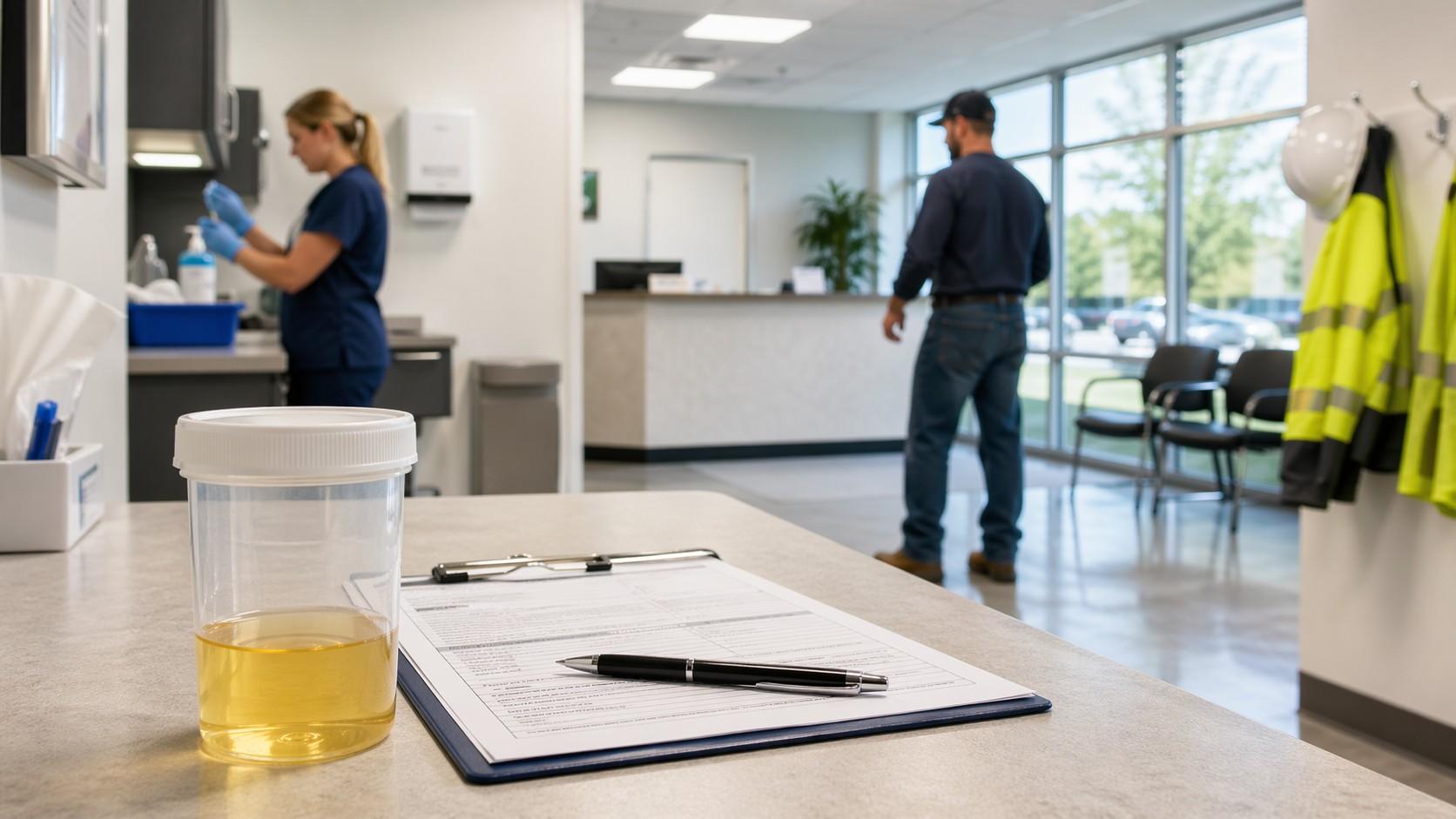
When Testing Becomes Part of Treatment: How Alcohol and Drug Screening Can Strengthen Recovery

Alcohol and drug screening is becoming a more common part of addiction treatment, but its purpose should extend far beyond identifying whether a substance is present. When used thoughtfully, testing can help treatment professionals understand a person’s current situation, recognize potential safety concerns, encourage honest communication, and make informed adjustments to care. More importantly, alcohol and drug screening can be incorporated into a compassionate treatment plan without reducing a person to a test result. When screening works alongside mental health treatment, individualized counseling, inpatient or outpatient care, and holistic support, it can become one useful tool for building a stronger foundation for recovery.

Understanding the Purpose of Alcohol and Drug Screening

For someone entering addiction treatment, the idea of being tested can bring up difficult emotions. A person may worry about being judged, losing trust, or being defined by the results.

Those concerns are understandable. However, screening does not have to be a punishment or a test of someone’s character.

Instead, alcohol and drug screening can provide treatment professionals with information that complements conversations, medical assessments, mental health evaluations, and a person’s substance use history. The more complete the picture, the better equipped a treatment team may be to understand what type of support is appropriate.

A Test Result Is Only One Part of the Picture

A positive screening result can indicate recent substance exposure, but it does not explain why someone used a substance. Similarly, a negative result does not prove that cravings, emotional struggles, or the underlying causes of addiction have disappeared.

Recovery involves much more than abstinence.

It can involve learning how to manage stress, improving relationships, addressing trauma, developing healthier routines, strengthening emotional regulation, and discovering ways to live without relying on substances to cope.

That is why testing should support treatment rather than become the definition of treatment.

How Screening Can Strengthen Treatment Planning

Individualized care is essential because addiction affects each person differently. Substance use patterns, physical health, mental health, family circumstances, previous treatment experiences, and living environments can all influence recovery needs.

Alcohol and drug screening can contribute another piece of information to that assessment.

Supporting the Right Level of Care

Some individuals may need the structure of inpatient treatment, particularly when they require a stable environment and more intensive professional support. Others may benefit from outpatient treatment while continuing to manage work, education, family responsibilities, or other commitments.

Screening alone should never determine the appropriate level of care. Instead, it can be considered alongside the person’s complete clinical picture.

This broader approach helps treatment remain focused on the individual rather than forcing everyone into the same recovery model.

Helping Treatment Adapt Over Time

Recovery is not a fixed process. A person’s needs can change as treatment progresses.

For example, someone may initially make steady progress and later experience increased stress, stronger cravings, relationship problems, or worsening mental health symptoms. Changes in substance use may provide an opportunity for the treatment team to explore what has changed and whether additional support is needed.

The response might involve more counseling, stronger relapse prevention strategies, family involvement, mental health services, or a change in the intensity of treatment.

The important point is that testing can provide information that encourages action rather than simply documenting a problem.

Using Accountability Without Creating Shame

Accountability matters in recovery. Lasting change requires honesty about substance use, difficult behaviors, setbacks, and situations that increase the risk of relapse.

However, accountability and shame are not the same thing.

A person can be held responsible for their choices while still being treated with dignity and respect.

A Positive Result Can Open the Door to Conversation

When a screening result indicates renewed substance use, the most productive response is not necessarily to focus only on the result.

Treatment professionals can also ask:

  • What happened before the substance use occurred?
  • Were cravings becoming more difficult to manage?
  • Was the person experiencing significant stress?
  • Did a relationship conflict or major life event occur?
  • Were anxiety, depression, trauma symptoms, or other concerns becoming worse?
  • Did the person’s current coping strategies provide enough support?

These questions do not excuse substance use. Instead, they help identify what may need to change.

A setback can reveal a weakness in a recovery plan that needs attention. Recognizing that weakness early may provide an opportunity to strengthen treatment before the situation becomes more serious.

The Connection Between Substance Use and Mental Health

Addiction and mental health are frequently intertwined. Someone may use alcohol or drugs in an attempt to manage anxiety, depression, trauma, loneliness, stress, or emotional pain. At the same time, ongoing substance use can make existing mental health concerns more difficult to manage.

For this reason, effective addiction treatment needs to consider the whole person.

Screening Can Support Integrated Care

Alcohol and drug screening can provide useful information when considered alongside mental health assessments and therapeutic conversations.

Suppose substance use increases at the same time that someone begins experiencing greater anxiety, disrupted sleep, depression, or emotional distress. That change may encourage treatment professionals to look more closely at the person’s mental health needs.

The goal is not simply to stop the substance use. It is also to understand what makes recovery difficult.

Integrated care can give individuals the opportunity to work on both substance use and mental health concerns rather than treating them as completely separate issues.

How Screening Fits Into Inpatient and Outpatient Recovery

The role of alcohol and drug screening can vary depending on the treatment setting.

Inpatient Care

Inpatient treatment provides a structured environment for people who may need a greater level of support while focusing on stabilization and recovery.

Within this setting, screening can be one component of ongoing assessment. Combined with professional observation, counseling, medical support when appropriate, and mental health care, testing may help treatment professionals recognize changes that deserve attention.

However, screening is only one piece of inpatient treatment. Recovery also requires time to develop coping skills, understand triggers, work through emotional concerns, and establish healthier patterns.

Outpatient Care

Outpatient treatment offers another pathway for individuals who can participate in recovery while continuing to live at home and manage everyday responsibilities.

In this environment, alcohol and drug screening can provide an additional layer of accountability. It may also encourage conversations about challenges that arise when individuals begin applying recovery skills outside a structured treatment setting.

Because outpatient recovery takes place in the real world, identifying problems early can be particularly valuable. Work pressures, family conflict, social situations, and familiar triggers can all test a person’s recovery skills.

Bringing a Holistic Perspective to Testing

Addiction affects more than substance use. It can influence physical health, emotional well being, relationships, routines, personal goals, and a person’s sense of purpose.

A holistic approach recognizes these connections.

Treating the Person, Not Just the Test Result

Alcohol and drug screening can fit into a broader recovery plan that addresses areas such as:

  • Physical wellness
  • Emotional regulation
  • Stress management
  • Healthy relationships
  • Relapse prevention
  • Daily routines
  • Personal goals
  • Mental health
  • Spiritual well being

For individuals who value faith, faith based recovery can provide an additional source of meaning, hope, reflection, and support.

Testing does not replace these approaches. Instead, it can provide information that helps professionals understand where additional attention may be appropriate.

That distinction is important. A test can provide information, but meaningful recovery requires human connection, professional guidance, personal effort, and a supportive environment.

What Should Clients Ask About Alcohol and Drug Screening?

People receiving addiction treatment have every right to understand why testing is part of their care.

Knowing what to expect can reduce anxiety and help clients become active participants in their recovery.

Questions That Can Help

Before or during treatment, consider asking:

  • Why is alcohol and drug screening included in my treatment plan?
  • What does the screening test for?
  • How often will testing take place?
  • How will the results be interpreted?
  • How could the results affect my treatment?
  • Who will have access to the information?
  • What happens if a result is unexpected?
  • How does testing fit into my overall recovery goals?

Open communication can build trust between clients and treatment professionals.

It also reinforces an important principle: recovery should be something a person participates in, not something simply done to them.

Families Can Encourage Recovery Without Becoming Enforcers

Families often want reassurance that a loved one is making progress. That concern is natural, especially after experiencing the disruption that addiction can cause.

However, family members should be careful not to make test results the only measure of recovery.

Look Beyond the Screening Result

Progress can also involve:

  • More honest communication
  • Greater emotional stability
  • Healthier decision making
  • Better coping skills
  • Improved relationships
  • Increased participation in treatment
  • Greater responsibility
  • Renewed interest in meaningful activities

Families can support recovery by encouraging professional treatment, learning about addiction, maintaining healthy boundaries, participating in family counseling when appropriate, and recognizing positive changes.

The goal is to support accountability without turning the home into a place of constant monitoring.

Making Alcohol and Drug Screening Work for Recovery

The value of alcohol and drug screening depends largely on how it is used.

When testing is treated as a simple pass or fail exercise, it can create fear and discourage honest communication. When it is incorporated into compassionate, individualized care, it can help treatment professionals recognize changes and respond appropriately.

The most useful approach is to connect screening with the larger recovery process.

That means looking at substance use alongside mental health, physical well being, relationships, personal circumstances, treatment participation, and recovery goals.

When those pieces are considered together, testing becomes more than detection. It becomes information that can help guide better care.

Conclusion: Let Testing Be Part of a Bigger Recovery Plan

Alcohol and drug screening can strengthen addiction treatment when it is used to promote safety, support accountability, inform treatment planning, and encourage meaningful conversations. However, no test can tell the complete story of a person’s recovery.

A positive result does not erase progress. A negative result does not eliminate the need for continued support. Recovery is measured through the larger process of developing healthier coping skills, addressing mental health concerns, rebuilding relationships, and creating a life that supports long term wellness.

For individuals and families seeking addiction recovery help, the most important step is finding care that looks beyond the substance and sees the person.

If alcohol or drug use is affecting your life or the life of someone you love, consider reaching out for professional support. Individualized addiction treatment, mental health care, inpatient or outpatient services, holistic approaches, and faith based support can work together to address the different needs that arise during recovery. With the right guidance and a treatment plan built around the individual, alcohol and drug screening can become one part of a larger process focused on safety, honesty, healing, and lasting change.

Alcohol and Drug Screening in a Changing World: Turning Testing Into a Tool for Accountability, Safety, and Healing

Alcohol and drug screening has become an increasingly important part of modern addiction treatment, but testing is most valuable when it serves a greater purpose than simply identifying substance use. In a well designed recovery program, screening can help protect client safety, support honest conversations, guide treatment decisions, and strengthen accountability without creating shame. When combined with mental health care, individualized treatment, and whole person support, alcohol and drug screening can become a practical tool for helping people build a stronger foundation for lasting recovery.

Why Alcohol and Drug Screening Matters in Modern Recovery

Addiction is rarely a simple matter of choosing whether to use a substance. Substance use can be connected to trauma, stress, anxiety, depression, relationships, environment, physical health, and many other factors.

That complexity means treatment professionals need more than a single piece of information when developing a recovery plan. Alcohol and drug screening can provide useful clinical information alongside conversations with the client, medical assessments, mental health evaluations, and a detailed history of substance use.

Testing Provides Information, Not a Final Judgment

A screening result can tell professionals whether certain substances may be present, but it cannot explain everything about a person’s recovery.

A positive result does not reveal why substance use occurred. Likewise, a negative result does not automatically mean that a person has resolved cravings, emotional struggles, or the underlying issues connected to addiction.

The most effective approach is to treat screening as one source of information within a much larger clinical picture.

This distinction matters because recovery is about more than producing a particular test result. It is about developing healthier coping skills, improving emotional stability, rebuilding relationships, and learning how to respond differently to difficult situations.

Turning Testing Into a Tool for Safety

Safety should always be a priority in addiction treatment. This is particularly important when someone is entering treatment after regular or prolonged substance use.

Some forms of withdrawal can be medically serious. Alcohol withdrawal, for example, can become dangerous for some individuals and may require appropriate medical evaluation and supervision. Screening can give treatment professionals additional information as they assess a person’s substance use history and determine what type of support may be appropriate.

Screening Can Support Better Treatment Decisions

Testing does not determine the appropriate level of care by itself. However, it can contribute to a broader assessment.

Treatment professionals may consider several factors, including:

  • Substance use history and patterns
  • Physical health
  • Mental health symptoms
  • Previous treatment experiences
  • Home and family environment
  • Available support systems
  • Current recovery goals
  • Risk of withdrawal or relapse

This information can help determine whether someone may benefit from a structured inpatient environment, outpatient treatment, or another level of professional support.

The goal is not to place everyone into the same program. The goal is to understand what the individual needs.

Accountability Without Shame

Accountability is an important part of lasting recovery. People need opportunities to recognize difficult patterns, take responsibility for their choices, and make meaningful changes.

However, accountability becomes less effective when it is built around humiliation or fear.

A Positive Test Can Start an Important Conversation

Imagine that screening identifies renewed substance use during treatment. A punitive approach might focus only on the result.

A recovery focused approach asks better questions.

What happened? Was the person experiencing overwhelming stress? Did cravings become stronger? Was there a conflict at home? Were depression, anxiety, trauma symptoms, or other mental health concerns becoming more difficult to manage?

These questions do not excuse substance use. Instead, they help identify what needs to change.

A setback can become an opportunity to strengthen relapse prevention, increase counseling support, address mental health concerns, or reconsider whether the current treatment plan is meeting the person’s needs.

Accountability Should Encourage Growth

People in recovery need honesty, but they also need a realistic understanding that change takes time.

When testing is presented as a tool for support rather than punishment, clients may feel more comfortable discussing difficulties before those difficulties become larger problems. That openness can help treatment professionals respond earlier and more effectively.

Accountability works best when it is paired with dignity.

Connecting Alcohol and Drug Screening With Mental Health Treatment

Substance use and mental health are often closely connected. Anxiety, depression, trauma, chronic stress, and other emotional challenges can contribute to substance use. At the same time, ongoing alcohol or drug use can worsen emotional and psychological symptoms.

For that reason, effective addiction treatment should not focus exclusively on whether someone is using substances.

Looking at the Whole Person

Screening can provide useful information when combined with mental health treatment.

For example, a change in substance use may occur at the same time as worsening anxiety, sleep problems, depression, or emotional distress. That pattern can encourage treatment professionals to look more closely at what is happening and determine whether additional mental health support is needed.

Depending on the individual’s circumstances, care may include counseling, behavioral strategies, relapse prevention, family support, or other mental health services.

The objective is to address the factors that make recovery difficult rather than simply reacting to the test result.

How Screening Fits Into Individualized Addiction Treatment

Every recovery journey is different. The treatment approach that works for one person may not be appropriate for another.

That is why alcohol and drug screening should be incorporated into individualized care rather than used as a standalone measure of success.

Inpatient Treatment and Structured Support

Inpatient care can provide a structured setting for individuals who need greater stability, separation from certain triggers, or more intensive professional support.

Within that environment, screening may provide additional information that helps treatment professionals monitor changes and evaluate whether the current recovery strategy remains appropriate.

Testing is only one part of the process. Counseling, medical care, mental health treatment, skill development, and relapse prevention all remain important.

Outpatient Treatment and Continued Accountability

Outpatient care can allow individuals to receive professional support while continuing to live at home and manage responsibilities such as work, education, or family life.

In this setting, alcohol and drug screening may provide an additional layer of accountability. It can also create opportunities for conversations about challenges that arise while clients apply recovery skills in everyday situations.

The right level of care should always reflect the person’s needs and circumstances.

Making Screening Part of Holistic Healing

At first, alcohol and drug testing may seem purely clinical. Yet screening can have a meaningful role within a holistic recovery model when it is used appropriately.

Holistic treatment recognizes that addiction can affect many areas of life, including physical health, emotional wellness, relationships, daily routines, personal purpose, and spiritual well being.

Addressing More Than Substance Use

A comprehensive recovery plan may include attention to:

  • Physical health and stabilization
  • Emotional regulation
  • Stress management
  • Healthy relationships
  • Sleep and daily routines
  • Cravings and relapse prevention
  • Personal goals and values
  • Mental health
  • Spiritual well being

For individuals who value faith, faith based support can provide an additional source of purpose, hope, reflection, and encouragement.

Testing does not replace these elements. Instead, it can provide information that helps professionals understand where additional attention may be needed.

What Clients Should Know About Alcohol and Drug Screening

Understanding why testing is being used can make the process less intimidating.

Clients should feel comfortable asking questions about the purpose of screening and how the information will affect their care.

Questions Worth Asking

Consider asking the treatment team:

  • Why is alcohol and drug screening part of my treatment plan?
  • What substances does the test detect?
  • How often will testing occur?
  • How are the results interpreted?
  • How will the results influence my treatment?
  • Who has access to my testing information?
  • What happens if the result is positive?

Clear communication can reduce anxiety and strengthen trust between clients and treatment professionals.

Most importantly, remember that a test result does not define your character or determine your worth.

Families Can Support Recovery Without Becoming Monitors

Families often want reassurance that treatment is working. However, making every conversation about whether a loved one passed or failed a test can create tension and undermine trust.

Instead, families can focus on the larger recovery picture.

Meaningful progress may include improved communication, healthier relationships, better emotional regulation, increased responsibility, stronger coping skills, and greater participation in treatment.

Loved ones can also encourage professional care, establish healthy boundaries, learn about addiction, and participate in family counseling when appropriate.

Support should reinforce recovery rather than turn the family into a surveillance system.

A Better Future for Alcohol and Drug Screening

The growing role of alcohol and drug screening does not have to make addiction treatment colder or more impersonal. In fact, when testing is used thoughtfully, it can help make care more informed while keeping the individual at the center.

The difference comes down to how the information is used.

A test result should lead to understanding, conversation, and appropriate action. It should help treatment professionals recognize changing needs, strengthen relapse prevention, address mental health concerns, or determine whether additional support may be appropriate.

Testing should never replace human connection.

Conclusion: Let Testing Support the Bigger Picture

Alcohol and drug screening can be a valuable part of modern addiction recovery when it is used to promote safety, encourage accountability, inform treatment planning, and identify opportunities for additional support. Yet no test can capture the full complexity of a person’s recovery journey.

Lasting healing requires attention to the whole person. It may involve addiction treatment, mental health services, inpatient or outpatient care, counseling, holistic wellness, family support, and faith based guidance for those who value it.

The most effective recovery approach is one that uses information without losing sight of the individual behind the result.

If you or someone you love is struggling with alcohol or drug use, reaching out for professional support can be an important first step. With individualized care, honest communication, appropriate accountability, and the right level of support, recovery can become more than simply stopping substance use. It can become an opportunity to rebuild health, restore confidence, strengthen relationships, and create a more stable future.

What Is Driving the Rise of Alcohol and Drug Screening, and How Can It Support Healthier Recovery?

Alcohol and drug screening is becoming a more visible part of addiction treatment, healthcare, workplaces, and other areas of daily life. In recovery, this growing use of substance testing reflects a broader shift toward safer, more informed, and more individualized care. While some people may initially view testing as a form of surveillance or judgment, a compassionate approach can give it a very different purpose. When used alongside clinical assessments, mental health care, counseling, and personalized treatment planning, alcohol and drug screening can help professionals understand changing needs, promote safety, encourage accountability, and identify opportunities for additional support. For individuals and families navigating addiction, understanding why screening is becoming more common can make the process feel less intimidating and more constructive.

Why Is Alcohol and Drug Screening Becoming More Common?

Several factors are contributing to the increased use of alcohol and drug screening. Advances in testing technology have made screening more accessible, while greater awareness of substance use and its effects has encouraged organizations and healthcare providers to pay closer attention to early identification and intervention.

In addiction treatment, however, the most important reason for screening is not simply detection. It is the ability to gather useful information that can contribute to better decisions.

Treatment Is Becoming More Individualized

Modern addiction care increasingly recognizes that there is no single recovery plan that works for everyone.

A person’s substance use history, physical health, mental health, medications, family relationships, living environment, and personal goals can all influence treatment. Screening can provide one additional source of information that professionals can consider alongside interviews, medical evaluations, and mental health assessments.

This broader perspective allows treatment teams to respond to the individual rather than relying on assumptions.

Safety Has Become a Greater Priority

Safety is particularly important when someone first enters addiction treatment. Depending on the substance involved, how frequently it has been used, and the person’s medical history, withdrawal can sometimes require close monitoring or medical attention.

Alcohol and drug screening can help treatment professionals understand potential substance exposure and consider whether additional evaluation, detoxification support, or monitoring may be appropriate.

A safer treatment environment gives clients greater opportunity to focus on healing.

How Does Screening Support Healthier Recovery?

A screening result is only one piece of information. Its real value comes from how professionals interpret and use it.

Testing Can Help Establish a Starting Point

Beginning recovery often involves answering difficult questions about current substance use and past experiences.

Alcohol and drug screening can provide objective information that complements a client’s account and other clinical assessments. It does not replace honest conversations, but it can help professionals develop a clearer understanding of the person’s circumstances.

This information may contribute to decisions about the appropriate level of care and the types of support that could be most beneficial.

Screening Can Help Treatment Evolve

Recovery is not a fixed process. A client may make significant progress and later encounter stress, cravings, relationship difficulties, or mental health challenges.

Ongoing screening can provide another way for treatment professionals to recognize changes. If concerns emerge, the response can focus on understanding what happened and determining what support is needed.

That could mean additional counseling, stronger relapse prevention strategies, mental health treatment, family support, or a temporary adjustment in the level of care.

Can Testing Encourage Accountability Without Creating Shame?

Yes, when screening is approached with compassion and transparency.

Accountability is an important part of recovery because meaningful change requires honesty about challenges and choices. However, accountability becomes less effective when it is based primarily on fear.

A Test Result Should Start a Conversation

Some clients worry that a positive result means they have failed treatment. A healthier approach is to view the result as information that deserves attention.

Treatment professionals can ask important questions:

  • What happened?
  • What circumstances contributed to the substance use?
  • Were cravings becoming stronger?
  • Was the person experiencing anxiety, depression, trauma, or significant stress?
  • Did the individual have enough support outside treatment?
  • Does the current recovery plan need to change?

These questions move the conversation away from blame and toward practical solutions.

Setbacks Can Reveal Opportunities for Growth

Recovery does not always follow a perfectly straight path.

If screening identifies renewed substance use, the result can help treatment professionals identify areas that need attention. A setback may reveal an untreated mental health concern, an unhealthy environment, insufficient coping skills, or a trigger that the client has not yet learned to manage.

Addressing that information can make future recovery efforts stronger.

What Role Does Mental Health Play in Substance Screening?

Addiction and mental health frequently intersect. A person struggling with substance use may also experience depression, anxiety, trauma related difficulties, or other emotional concerns.

Screening Can Support Integrated Treatment

Alcohol and drug testing should not be considered separately from mental health care. Instead, screening can provide information that helps professionals understand the relationship between substance use and emotional well being.

For example, increased substance use may occur during periods of severe anxiety or emotional distress. Recognizing that connection can encourage treatment professionals to strengthen counseling, coping strategies, trauma informed care, or other mental health services.

When both substance use and mental health are addressed, clients have a more complete foundation for recovery.

How Does Screening Fit Into Inpatient and Outpatient Care?

The role of testing can vary depending on the person’s treatment setting and individual needs.

Inpatient Treatment

Inpatient care provides a structured environment where clients can focus closely on stabilization, treatment, and recovery skills.

Within this setting, alcohol and drug screening may be one component of ongoing assessment. Combined with clinical observation and professional support, testing can help treatment teams respond to changes and maintain an appropriate level of care.

Outpatient Treatment

Outpatient care allows individuals to receive professional treatment while continuing to live at home and manage responsibilities such as work, education, or family commitments.

For these clients, screening can provide continuity as recovery skills are applied in everyday environments. It can also encourage accountability while giving professionals an opportunity to identify challenges that may require additional support.

The appropriate level of treatment can change over time, so continued assessment is important.

What Does Screening Mean for Families?

Families often carry their own concerns when someone they love enters addiction treatment. They may wonder whether treatment is working, whether their loved one is safe, and how they can help without becoming controlling.

Screening Can Provide Greater Clarity

When appropriate information can be shared with proper consent and privacy protections, screening can help families understand that professional monitoring is part of the treatment process.

However, families should avoid treating test results as the only measure of progress.

Recovery can also be reflected in healthier communication, improved emotional stability, better decision making, stronger coping skills, greater responsibility, and renewed participation in meaningful activities.

Families Can Focus on Support Instead of Surveillance

Loved ones can help by encouraging treatment participation, learning about addiction, supporting healthy routines, establishing reasonable boundaries, and attending family counseling when appropriate.

Constantly monitoring or interrogating someone about testing can increase tension. A supportive environment encourages honesty and makes it easier for the individual to ask for help when challenges arise.

How Can Screening Support Holistic Recovery?

Holistic addiction treatment recognizes that recovery involves the whole person.

Physical wellness matters, but so do emotional health, relationships, lifestyle, personal purpose, and spiritual well being. For individuals who value faith, spiritual support can also provide meaning, hope, and guidance during difficult stages of recovery.

Testing Is One Tool Within a Larger Plan

Alcohol and drug screening does not replace counseling, holistic therapies, mental health treatment, or faith based support.

Instead, it can provide clinical information that helps professionals determine where additional attention may be needed.

This distinction is important. A test can identify information, but compassionate treatment helps a person understand that information and use it to make healthier choices.

What Should Clients Ask About Alcohol and Drug Screening?

People receiving addiction treatment should feel comfortable asking questions about testing.

Useful questions include:

  • Why is this test part of my treatment plan?
  • What substances does it screen for?
  • How are the results interpreted?
  • How could the results affect my care?
  • Who can access my information?
  • What happens if the result is positive?
  • How does screening fit into my overall recovery goals?

Clear answers can reduce anxiety and help clients become active participants in their treatment.

Moving Toward Safer and More Personalized Recovery

The rise of alcohol and drug screening reflects a larger change in addiction care. Treatment is increasingly focused on safety, accountability, early intervention, and individualized decision making.

However, effective recovery requires far more than testing.

Clients need professionals who listen without judgment. They need treatment plans that recognize mental health and substance use as interconnected concerns. They need opportunities to develop coping skills, rebuild relationships, strengthen confidence, and discover meaningful reasons to continue their recovery.

At Hunanhenda, alcohol and drug screening can be understood within this broader approach to individualized addiction and mental health care. Inpatient and outpatient services, holistic approaches, and faith based support can complement clinical assessment to address the many dimensions of recovery.

Conclusion

The rise of alcohol and drug screening does not have to mean that addiction treatment is becoming more punitive or impersonal. When used responsibly, testing can help create a safer and more informed recovery process.

Screening can provide useful clinical information, support treatment decisions, encourage accountability, and identify situations where a client may need additional help. For families, it can provide greater clarity while reinforcing the importance of compassionate support.

Most importantly, a person should never be reduced to a test result. Recovery is about much more than whether a screening is positive or negative. It is about building healthier habits, addressing mental health concerns, developing resilience, repairing relationships, and creating a life that supports long term wellness.

If you or someone you love is struggling with alcohol or drug use, reaching out for professional support can be an important first step. With individualized care, compassionate guidance, and the right combination of treatment services, recovery can become a realistic path toward greater safety, stability, confidence, and hope.