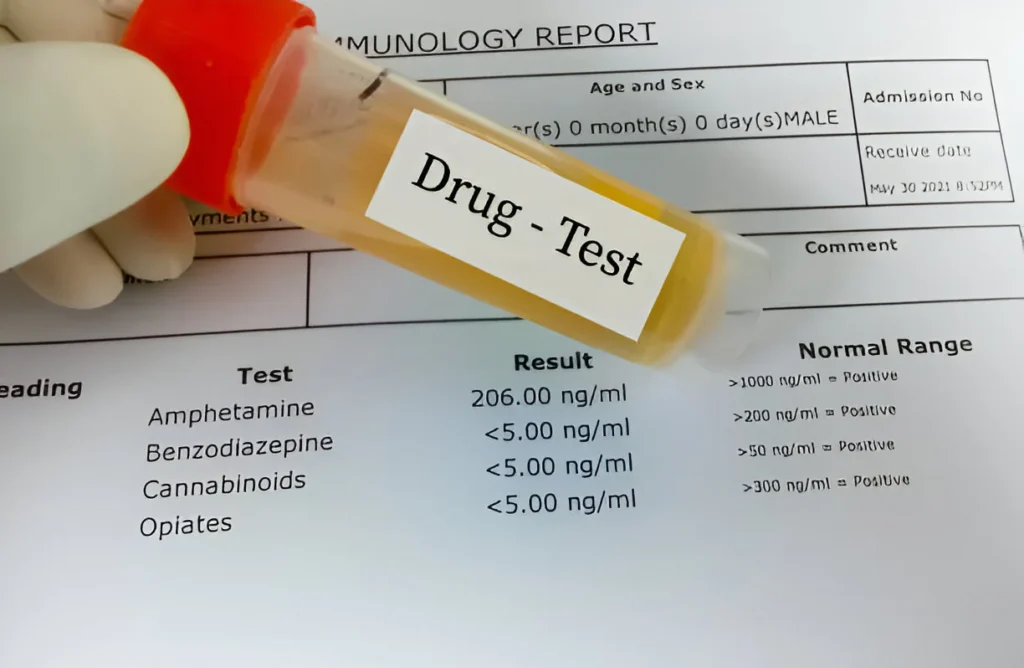

Receiving an unexpected result from a drug screening can be stressful, especially when you are taking medication exactly as prescribed. You may worry that a test has mistaken your medication for an illegal substance, or that a result could affect your addiction treatment, medical care, employment, or relationships. However, drug screening results are not always straightforward. Certain prescription and over-the-counter medications can interfere with some screening tests, while other medications may correctly produce a positive result because the test detects the substance itself or one of its metabolites. Understanding how this happens can help you respond calmly, protect your health, and work with healthcare professionals to clarify the findings.
Why Prescription Medications Can Affect Drug Screening
Drug screening tests are designed to identify particular substances or groups of substances in a sample. However, not every test identifies individual drugs with the same level of accuracy.
Many initial urine drug screens use a method called an immunoassay. This method uses antibodies to detect substances with certain chemical characteristics. Although it provides relatively quick results, some immunoassays can react to medications or other compounds with similar chemical structures.
This reaction is known as cross-reactivity. It can cause a test to report a substance that is not actually present as the drug being screened for.
What Is a False Positive?
A false-positive result occurs when an initial screening test indicates the presence of a substance that is not actually present in the sample in the way the test suggests.
For example, a medication may interact with the screening method and produce a result associated with a particular drug category. The initial finding may therefore require additional laboratory testing before anyone draws a conclusion.
Importantly, not every unexpected positive is a false positive. Some prescribed medications genuinely contain substances that a drug test is designed to detect. The test may be accurate about the substance’s presence, but it cannot necessarily determine whether the medication was taken appropriately or misused.
That distinction matters in addiction treatment, where accurate information and fair interpretation are essential.
Why Different Tests Can Produce Different Results
Drug screening methods vary in their sensitivity, specificity, and ability to identify individual substances. Even tests designed to detect the same drug category may use different technologies.
As a result, a medication that affects one screening method may not affect another. The laboratory’s testing equipment, cutoff levels, and specific testing panel can all influence the findings.
This is why patients should avoid assuming that every unexpected result has the same explanation. A healthcare professional may need to review the exact test used and determine whether more specific testing is appropriate.
Which Medications May Cause Unexpected Drug Screening Results?
Several prescription and nonprescription medications have been associated with unexpected findings on certain drug screening tests. However, the possibility of interference depends on the specific medication and the testing method.
The following examples are not a guarantee that a medication will affect a particular test.
Medications That May Affect Amphetamine Screening
Some medications have been reported to interfere with certain amphetamine immunoassays. Examples include:
- Bupropion, a medication used for depression and other conditions.
- Pseudoephedrine, an ingredient found in some cold and congestion products.
- Certain medications used to treat attention-related conditions.
- Some medications used for neurological or other medical conditions.
These substances do not affect every test in the same way. A preliminary positive result should therefore be evaluated using the specific medication history and testing method.
Medications That May Affect Other Drug Categories
Certain antidepressants, antibiotics, and other medications have also been associated with unexpected findings on specific screening assays.
For instance, some reports describe cross-reactivity involving certain antidepressants and tests for other drug categories. Particular antibiotics have also been associated with interference in some opioid screening methods.
However, older lists of medications that supposedly cause false positives should be treated cautiously. Testing technology changes, and a medication reported to interfere with one assay may not affect a newer or different test.
The most useful step is to provide the healthcare professional with an accurate medication list and ask whether the specific test could be affected.
When a Positive Drug Test Is Actually Expected
An important part of understanding prescription-related screening results is recognizing that a positive result does not automatically mean the test is wrong.
Some prescribed medications contain controlled substances or belong to drug categories included in screening panels. If a patient takes one of these medications, the test may correctly identify the substance or a related metabolite.
Prescription Medications Used for Pain Management
Certain prescription pain medications may appear on drug screening results. These can include opioid medications prescribed for legitimate medical reasons.
The presence of an opioid-related substance does not automatically establish misuse. Healthcare professionals need to consider the medication prescribed, the patient’s dosage, the timing of use, and the specific substance identified.
Patients should be open about their treatment and should never stop a prescribed medication simply because they are concerned about a possible drug test result.
Medications Used in Addiction Treatment
Some medications used as part of addiction treatment may also appear on drug screening panels.
For example, methadone and buprenorphine are medications used in treatment for opioid use disorder. Their presence may be expected when a patient is receiving these medications as prescribed.
A screening process that fails to account for treatment medications can create confusion and potentially unfair conclusions. Treatment professionals should understand which medications a patient takes and interpret results accordingly.
Medication-assisted treatment is a legitimate form of addiction care. Taking medication as part of an appropriate treatment plan should not automatically be treated as evidence of relapse or misconduct.
What to Do If Your Drug Screening Result Is Unexpected
If a drug screening result does not match your medication history, take time to understand what happened before assuming the worst. A calm, informed discussion with your healthcare professional can help clarify whether the finding reflects actual substance exposure, medication interference, or a limitation of the test.
1. Provide a Complete Medication List
Tell the healthcare professional about every medication and relevant product you use. Include:
- Prescription medications.
- Over-the-counter pain relievers and cold medicines.
- Antidepressants and other mental health medications.
- Sleep aids and medications for anxiety.
- Vitamins, supplements, and herbal products.
- Recently discontinued medications, when relevant.
Include the medication name, dosage, and how often you take it. If possible, bring your prescription containers or an up-to-date medication record.
Do not leave out a medication because you believe it is unrelated. A complete list gives the healthcare professional more information to assess possible interactions with the screening method.
2. Ask Whether Confirmatory Testing Is Appropriate
Many drug screening processes involve two stages. The first is an initial screening test, which may identify a possible substance. The second is a more specific laboratory method that can help determine exactly which substance or metabolite is present.
Confirmatory methods commonly include gas chromatography with mass spectrometry (GC-MS) and liquid chromatography with tandem mass spectrometry (LC-MS/MS).
These methods can provide more specific information than many initial immunoassay screens. They are especially useful when a result is unexpected, disputed, or likely to influence an important medical or treatment decision.
Ask whether the original sample can be tested using a confirmatory method and whether the laboratory needs additional information about your prescriptions.
3. Request an Explanation of the Specific Finding
Rather than asking only whether your test was positive or negative, request details about what the laboratory identified.
Useful questions include:
- Which substance or drug category was detected?
- Was this an initial screening result or a confirmed finding?
- Could any of my prescribed medications affect this test?
- Does the test identify a specific medication or only a broader drug category?
- Is additional testing recommended?
- How will the result affect my current treatment plan?
Clear answers can help you understand the result and participate in decisions about your care.
4. Do Not Stop Prescribed Medication Without Medical Advice
An unexpected drug screening result is not a reason to suddenly stop taking medication. Some prescriptions require careful medical supervision when changing or discontinuing a dose.
This is particularly important for certain medications used to manage anxiety, sleep disorders, pain, and other medical conditions. Abrupt changes can cause withdrawal symptoms, worsening health problems, or other complications.
Discuss your concerns with the prescribing professional before making any changes.
Why Accurate Drug Screening Matters in Addiction Recovery
Drug screening can be a useful part of addiction treatment when it is performed and interpreted appropriately. However, testing should support clinical decisions rather than become the only measure of a person’s recovery.
An unexpected result can affect how patients feel about treatment. Someone who has worked hard to maintain sobriety may feel discouraged or afraid after receiving a result they cannot explain. Others may worry that their healthcare team or family members will assume they have returned to substance use.
A fair screening process should allow patients to explain their medication history and ask questions without fear of automatic judgment.
Supporting Inpatient and Outpatient Treatment
People receiving inpatient or outpatient addiction care may undergo screening for different clinical reasons. Testing can help providers assess possible substance exposure, review treatment needs, and identify concerns that deserve further attention.
However, an unexpected result should be considered alongside medical history, prescribed medications, symptoms, treatment participation, and personal circumstances.
Inpatient care may be appropriate for individuals who need a structured environment, intensive support, or medical supervision. Outpatient treatment may suit those who can safely participate in counseling and recovery services while continuing certain daily responsibilities.
Drug screening alone cannot determine which level of care someone needs. A broader professional assessment is essential.
Addressing Mental Health and Medication Needs
Addiction and mental health concerns frequently overlap. Individuals receiving treatment may also take medication for depression, anxiety, attention-related conditions, sleep difficulties, or other concerns.
These medications may be an important part of maintaining emotional stability and supporting recovery. Patients should not feel pressured to hide legitimate treatment because they are worried about screening results.
An integrated approach considers substance use, mental health symptoms, medication needs, and personal circumstances together. When concerns arise, healthcare professionals can review the findings and discuss appropriate next steps.
A Personalized Approach to Recovery and Well-Being
Long-term recovery involves more than monitoring whether substances are present in a test sample. It requires attention to physical health, emotional well-being, relationships, and the daily challenges that can influence substance use.
Depending on individual needs, a recovery plan may include addiction counseling, mental health treatment, relapse prevention, family support, and healthy lifestyle development.
The Role of Holistic Support
A whole-person approach recognizes that sleep, nutrition, physical activity, stress management, and supportive relationships can all contribute to general well-being.
These practices can complement professional treatment by helping individuals establish routines and develop healthier responses to everyday challenges.
For people who value spirituality, faith-based support may also offer community, encouragement, reflection, and a sense of purpose. These resources can be included according to personal beliefs and preferences.
Most importantly, treatment should respect each person’s circumstances. An unexpected drug screening result should prompt careful evaluation, not assumptions about someone’s character or commitment to recovery.
Conclusion: Understand Your Results Before Making Decisions
Prescription medications can affect drug screening in different ways. Some may interfere with particular initial tests, while others may correctly appear because they contain substances included in the testing panel. Understanding this difference is essential for avoiding inaccurate conclusions and making informed decisions about treatment.
If you receive an unexpected result, share your complete medication history, ask how the test was performed, and discuss whether confirmatory laboratory testing is appropriate. Do not stop prescribed medication without speaking with your healthcare professional.
For individuals working toward addiction recovery, accurate screening should be part of a broader process that includes medical guidance, mental health care, and individualized support. Whether you are considering inpatient treatment, outpatient services, or additional help managing substance use, asking questions is a positive step toward better care.
You deserve to have your concerns heard and your treatment needs understood. Reach out to a qualified healthcare or addiction treatment professional to discuss your results and explore the support that can help you move forward with greater confidence.