What Families Should Know About the Growing Role of Alcohol and Drug Screening in Recovery Treatment

Watching a loved one begin addiction treatment often brings a mixture of relief, hope, and uncertainty. Families naturally want to know what to expect and how treatment will help create lasting change. One aspect of recovery that often raises questions is alcohol and drug screening. While some people mistakenly associate testing with punishment or mistrust, today’s recovery programs use screening as a compassionate clinical tool that supports safety, personalized care, and long term success.

At Hunanhenda, alcohol and drug screening is never about judging clients. Instead, it helps our treatment team make informed decisions that protect each individual’s health while supporting meaningful recovery. When families understand the purpose behind modern screening, they can become stronger partners in the healing process and feel more confident about their loved one’s journey.

Why Alcohol and Drug Screening Is an Important Part of Recovery

Modern addiction treatment recognizes that substance use disorders are complex medical conditions influenced by physical health, mental health, trauma, relationships, and life experiences. Because every person’s situation is unique, treatment should be based on accurate information rather than assumptions.

Alcohol and drug screening provides clinicians with valuable insights that help guide safe, individualized care throughout every stage of recovery.

Supporting Safe Detoxification

The earliest stage of recovery is often the most physically demanding. Withdrawal symptoms vary depending on the substances used, the length of addiction, and each person’s overall health.

Screening helps medical professionals identify substances that may still be present in the body. This information allows them to manage detox safely, monitor withdrawal symptoms, and provide the appropriate level of medical support.

For families, this means knowing their loved one is receiving care based on their specific needs instead of a standard treatment approach.

How Screening Helps Create Personalized Treatment

No two recovery journeys look exactly alike. Some individuals struggle primarily with alcohol, while others face dependence on multiple substances. Many also experience anxiety, depression, trauma, or other mental health concerns.

Alcohol and drug screening helps clinicians understand each client’s current situation so treatment can be adjusted accordingly.

Building an Individualized Care Plan

At Hunanhenda, personalized care is a cornerstone of recovery. Screening results help determine which combination of services will provide the greatest benefit.

Treatment plans may include:

  • Medical detoxification
  • Residential inpatient treatment
  • Outpatient recovery programs
  • Individual counseling
  • Group therapy
  • Mental health services
  • Holistic wellness therapies
  • Faith based support for those seeking spiritual guidance

This individualized approach allows every client to receive care that addresses their unique circumstances rather than following a one size fits all model.

Treating Addiction and Mental Health Together

Substance use disorders frequently occur alongside mental health conditions such as depression, anxiety, post traumatic stress, or chronic stress.

Modern screening helps clinicians identify patterns that support comprehensive treatment planning. By addressing addiction and mental health together, clients often experience stronger emotional stability and more sustainable recovery outcomes.

Understanding Common Types of Alcohol and Drug Screening

Families often feel more comfortable when they understand how testing works. Several screening methods may be used during treatment depending on the clinical situation.

Urine Testing

Urine screening is one of the most widely used methods because it effectively identifies recent substance use and supports ongoing treatment monitoring.

Blood Testing

Blood testing provides highly accurate information about substances currently present in the body. It is commonly used during detoxification or when immediate medical decisions are required.

Saliva Testing

Saliva testing offers a quick and comfortable option for detecting recent substance use. It is often used in outpatient programs where convenient monitoring supports continued recovery.

Hair Testing

Hair testing provides a longer history of substance use by detecting patterns over several weeks or months. This information can help clinicians better understand long term recovery needs.

Addressing Common Family Concerns

Families often wonder whether alcohol and drug screening will damage trust or create additional stress. In compassionate recovery programs, the opposite is usually true.

Screening Promotes Accountability With Respect

Accountability is an important part of recovery, but it should never come at the expense of dignity. Modern screening helps identify challenges early so treatment teams can provide additional support instead of criticism.

Clients are encouraged to view testing as another resource that supports their progress rather than something to fear.

Screening Helps Families Feel More Secure

Recovery is rarely a straight line. Families may worry about setbacks or wonder whether treatment is working.

Alcohol and drug screening provides objective information that helps clinicians evaluate progress and make adjustments when needed. This transparency often gives families greater confidence in the recovery process while reducing uncertainty.

The Role of Screening in Holistic Recovery

Hunanhenda believes that lasting recovery involves healing every aspect of a person’s life. Physical wellness, emotional health, mental health, relationships, and spiritual growth all play important roles.

Alcohol and drug screening supports this holistic philosophy by providing accurate clinical information that strengthens every other component of treatment.

When combined with counseling, evidence based therapies, holistic wellness practices, and faith based support, screening becomes one part of a comprehensive plan that helps clients build healthier, more balanced lives.

Ways Families Can Support the Recovery Process

Families play an important role in helping loved ones succeed during treatment. Here are several ways to provide meaningful support:

  • Learn how alcohol and drug screening supports individualized care.
  • Maintain open and respectful communication.
  • Encourage participation in therapy and recovery activities.
  • Celebrate progress rather than expecting perfection.
  • Practice patience while healing takes place.

A supportive family environment often strengthens motivation and reinforces the positive changes clients are working hard to achieve.

Conclusion

The growing role of alcohol and drug screening reflects a positive shift in modern addiction treatment. Rather than serving as a disciplinary measure, screening has become a valuable clinical tool that supports safety, individualized care, accountability, and long term recovery.

At Hunanhenda, alcohol and drug screening is thoughtfully integrated into compassionate addiction treatment, mental health care, inpatient and outpatient services, holistic therapies, and faith based support. Every client is treated with dignity, respect, and a personalized plan designed to promote lasting healing.

If someone you love is struggling with addiction, you do not have to face the journey alone. Contact Hunanhenda today to learn how our experienced team can provide the compassionate care, professional guidance, and personalized support needed to build a healthier future for individuals and families alike.

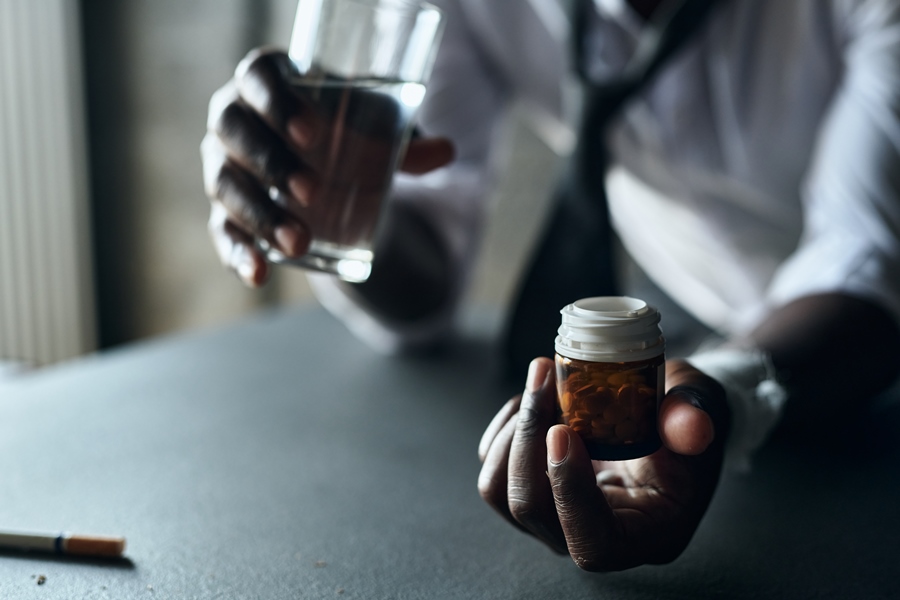
The Rise of Substance Screening: How Modern Testing Supports Safer and More Personalized Recovery

Substance screening has become an essential part of modern addiction treatment, helping individuals begin and maintain recovery with greater safety, confidence, and personalized support. While many people once viewed alcohol and drug testing as a disciplinary measure, today’s recovery professionals recognize it as a valuable clinical tool that strengthens treatment and promotes long term healing. At Hunanhenda, substance screening is integrated into compassionate, individualized care that respects each client’s dignity while providing the information needed to deliver effective treatment.

As addiction and mental health care continue to evolve, the rise of substance screening reflects a growing commitment to evidence based practices that support the whole person. Rather than focusing solely on identifying substance use, modern testing helps treatment teams make informed decisions that improve outcomes and create safer recovery journeys.

Why Substance Screening Is Becoming More Important

The understanding of addiction has changed significantly over the past several years. Today, healthcare professionals recognize substance use disorders as complex medical conditions that often involve emotional, psychological, social, and physical factors. Because recovery is unique for every individual, treatment requires accurate information and ongoing evaluation.

Substance screening provides objective insights that allow clinicians to understand each client’s current situation and adjust care accordingly. This leads to more responsive treatment and better long term results.

Supporting Safety From the Beginning

One of the primary reasons for substance screening is client safety. During detoxification and the early stages of recovery, withdrawal symptoms can vary depending on the substances involved and the length of use.

Screening helps clinicians determine the safest approach to detox and medical stabilization. This information allows healthcare providers to monitor clients closely, reduce potential complications, and provide appropriate medical support throughout the recovery process.

Personalizing Addiction Treatment Through Screening

No two people experience addiction in exactly the same way. Factors such as mental health, family history, physical health, trauma, and lifestyle all influence recovery. Substance screening helps clinicians create individualized treatment plans based on current clinical information instead of assumptions.

At Hunanhenda, personalized care is at the center of every recovery program.

Creating Individualized Recovery Plans

Screening results help treatment professionals determine which services will best support each client’s recovery goals.

An individualized treatment plan may include:

  • Inpatient addiction treatment
  • Outpatient recovery programs
  • Individual counseling
  • Group therapy
  • Mental health treatment
  • Holistic wellness therapies
  • Faith based support for those seeking spiritual guidance

This personalized approach allows every aspect of treatment to work together toward sustainable healing.

Addressing Co-Occurring Mental Health Conditions

Many individuals entering addiction treatment also experience depression, anxiety, trauma, or other mental health concerns. These conditions often contribute to substance use while also making recovery more challenging.

Substance screening helps clinicians recognize patterns that may indicate co-occurring disorders. This allows mental health and addiction treatment to be integrated into one comprehensive care plan instead of treating each condition separately.

Understanding Modern Substance Screening Methods

Advances in healthcare have made alcohol and drug testing more accurate, efficient, and respectful of client comfort.

Urine Screening

Urine testing remains one of the most common screening methods because it reliably detects recent substance use and is appropriate for many treatment settings.

Blood Testing

Blood testing provides precise information about substances currently circulating in the body. It is often used during medical detox or situations requiring immediate clinical decisions.

Saliva Testing

Saliva testing offers a convenient, non-invasive method for detecting recent substance use. It is frequently used in outpatient treatment programs where regular monitoring supports recovery.

Hair Testing

Hair testing provides a broader picture of substance use history by identifying patterns over several months. This information can help clinicians better understand long term recovery needs.

Building Trust Instead of Fear

Many people worry that alcohol and drug testing creates mistrust between clients and treatment providers. In reality, compassionate recovery programs use screening to strengthen therapeutic relationships rather than weaken them.

Encouraging Accountability With Compassion

Recovery requires honesty and accountability, but accountability should always be paired with understanding. Screening allows treatment teams to identify challenges early so they can provide additional support before setbacks become larger obstacles.

This approach encourages growth rather than fear.

Helping Families Feel More Confident

Families often experience uncertainty while supporting a loved one through recovery. Substance screening provides reassurance that treatment is being carefully monitored and adjusted as needed.

When families understand the purpose of testing, they often feel more confident participating in the recovery journey and supporting long term success.

Supporting Holistic Healing Beyond Substance Use

At Hunanhenda, recovery extends far beyond stopping alcohol or drug use. Holistic treatment focuses on healing every aspect of a person’s life, including emotional health, physical wellness, relationships, and spiritual growth.

Substance screening complements this philosophy by providing valuable clinical information that strengthens every other aspect of treatment.

Combined with counseling, mental health services, holistic therapies, and faith based support, screening helps clients build a stronger foundation for lifelong recovery.

Practical Tips for Clients and Families

Understanding the purpose of substance screening can make the recovery experience less stressful and more empowering.

Here are several helpful ways to approach the process:

  • View screening as a healthcare tool rather than a punishment.
  • Ask treatment providers how testing supports individualized care.
  • Stay engaged in counseling and recovery activities.
  • Focus on consistent progress instead of perfection.
  • Celebrate milestones that reflect growth and commitment.

Conclusion

The rise of substance screening represents an important step forward in addiction and mental health treatment. Modern alcohol and drug testing is no longer simply about detecting substance use. It is about improving safety, guiding personalized care, supporting accountability, and helping clients build lasting recovery with confidence.

At Hunanhenda, substance screening is thoughtfully integrated into holistic, faith based, inpatient, and outpatient treatment programs that honor each individual’s unique journey. Our compassionate team understands that recovery involves far more than overcoming addiction. It is about restoring hope, rebuilding health, and creating a meaningful future.

If you or someone you love is ready to begin the journey toward recovery, contact Hunanhenda today. Our experienced professionals are here to provide personalized addiction and mental health treatment that supports healing every step of the way.

Why Alcohol and Drug Testing Is Becoming a Core Part of Compassionate Addiction and Mental Health Care

Alcohol and drug testing is becoming an increasingly important part of modern addiction recovery and mental health treatment. While some people may view testing as a strict requirement, today’s approach is focused on something much more meaningful: support, safety, and personalized care. At Hunanhenda, alcohol and drug testing is understood as a tool that helps clients receive the right treatment at the right time while maintaining dignity, trust, and respect throughout the recovery process.

As addiction care continues to evolve, testing is no longer only about identifying substance use. It is now part of a compassionate approach that considers the complete needs of each individual.

The Changing Role of Alcohol and Drug Testing in Recovery

Addiction is a complex condition that affects the mind, body, emotions, and relationships. Because every person’s recovery journey is different, treatment must be based on a clear understanding of their unique circumstances.

Alcohol and drug testing provides valuable information that helps clinicians create effective treatment plans. It allows care teams to better understand substance use patterns, monitor progress, and provide appropriate support.

Moving Away From Judgment and Toward Support

One of the biggest changes in modern addiction treatment is the way testing is viewed. Instead of being associated with punishment, screening is now recognized as part of a supportive recovery framework.

The goal is not to shame clients or create fear. The goal is to provide insight, improve safety, and help individuals continue moving forward.

How Testing Supports Compassionate Addiction Treatment

At Hunanhenda, addiction recovery focuses on treating the whole person. This includes addiction services, mental health support, inpatient and outpatient care, and holistic approaches designed around each client’s needs.

Alcohol and drug testing supports this process in several important ways.

Promoting Safety During Detox and Early Recovery

The beginning stages of recovery can be challenging. Detoxification and early stabilization may involve physical and emotional changes that require professional support.

Testing helps treatment providers understand what substances may be present in the body. This information allows clinicians to monitor clients more effectively and provide safer care during vulnerable stages of recovery.

Helping Create Individualized Treatment Plans

Every client has a different history, different challenges, and different goals. Testing helps clinicians avoid generalized treatment approaches and instead develop care plans based on real information.

A personalized plan may include:

  • Individual therapy
  • Mental health treatment
  • Group support
  • Holistic wellness practices
  • Faith based guidance when desired

This approach ensures that treatment addresses the underlying factors connected to addiction, not just the symptoms.

The Connection Between Substance Use and Mental Health

Many individuals facing addiction also experience mental health challenges. Conditions such as anxiety, depression, trauma, and emotional stress can influence substance use and recovery.

Alcohol and drug testing helps clinicians better understand the relationship between substance use and mental health needs.

Supporting Complete Healing

When addiction and mental health concerns are treated together, clients have a stronger opportunity for lasting recovery. Testing provides information that helps treatment teams make informed decisions and adjust support when necessary.

This integrated approach supports emotional healing, personal growth, and improved overall wellness.

Understanding Common Types of Alcohol and Drug Testing

Modern testing methods are designed to be accurate, practical, and respectful of clients.

Urine Testing

Urine testing is one of the most common methods used in recovery programs. It helps identify recent substance use and is frequently used in both inpatient and outpatient settings.

Blood Testing

Blood testing provides detailed information about substances currently present in the body. It is often used when medical accuracy is especially important.

Saliva Testing

Saliva testing is a convenient and non-invasive option that can be used for regular monitoring during treatment.

Hair Testing

Hair testing can provide insight into longer term substance use patterns. It helps clinicians understand trends and make informed treatment decisions.

Why Families Should Understand the Purpose of Testing

Addiction affects more than the individual. Families often experience fear, confusion, and uncertainty while supporting a loved one through recovery.

Understanding alcohol and drug testing can help families become more supportive partners in the healing process.

Building Trust Through Transparency

When families understand that testing is part of compassionate care, it can reduce misunderstandings. Open communication helps create an environment where clients feel supported rather than judged.

Recognizing Recovery Progress

Testing can also highlight progress. Recovery is built through consistent steps, and each positive change matters. Families can use these moments as encouragement and reminders that healing is possible.

The Role of Testing in Holistic Recovery

Holistic addiction treatment focuses on healing the whole person. This means addressing physical health, emotional well being, mental health, and personal values.

Alcohol and drug testing fits naturally into this approach by providing structure and clarity while other healing methods take place.

When combined with counseling, wellness practices, and individualized support, testing becomes one part of a complete recovery strategy.

Practical Tips for Clients and Families

  1. Understand that testing is designed to support recovery
  2. Ask questions about how testing fits into the treatment plan
  3. Focus on long term healing rather than temporary challenges
  4. Stay connected with professional support services
  5. Celebrate progress throughout the recovery journey

Conclusion: A More Compassionate Future for Addiction and Mental Health Care

Alcohol and drug testing is becoming a core part of compassionate addiction and mental health treatment because it helps create safer, more personalized recovery experiences. When used with understanding and respect, testing supports accountability while protecting the dignity of every client.

At Hunanhenda, recovery is built around individualized care, holistic healing, and meaningful support. If you or someone you love is seeking help for addiction or mental health challenges, reaching out is the first step toward change. Discover how compassionate treatment and personalized recovery services can help build a healthier and more hopeful future.

Alcohol and Drug Screening in Modern Recovery: What the Rise of Testing Means for Clients and Families

Alcohol and drug screening has become a more visible and structured part of modern addiction treatment, but its purpose is often misunderstood. For many clients and families, the idea of testing can feel clinical or even intimidating at first. At Hunanhenda, we approach screening differently. It is not used as a form of punishment or control. Instead, it is a supportive clinical tool that helps guide safer, more personalized, and more effective recovery care.

As addiction treatment continues to evolve, the rise of testing reflects a deeper commitment to safety, accountability, and compassionate support for every stage of recovery.

Why Alcohol and Drug Screening Is Becoming More Common in Recovery Care

The increased use of alcohol and drug screening is closely tied to how addiction is now understood. Rather than viewing substance use as a simple behavioral issue, modern care recognizes it as a complex condition influenced by mental health, trauma, environment, and biology.

Because of this complexity, treatment providers need accurate and timely information to deliver the right care. Screening helps fill that need by offering insight into substance use patterns and recovery progress.

A Shift Toward Safer and More Informed Treatment

One of the main reasons for the rise in screening is safety. During detox and early recovery, clients may experience withdrawal symptoms or medical risks depending on substance use history. Screening helps clinicians respond appropriately and ensure that care is safe and closely monitored.

This approach reduces uncertainty and creates a more stable foundation for recovery.

How Screening Supports Modern Addiction Treatment

At Hunanhenda, alcohol and drug screening is integrated into inpatient care, outpatient programs, mental health treatment, and holistic recovery services. It is always used as part of a broader, individualized treatment plan designed to support long term healing.

Guiding Personalized Recovery Plans

Every person’s recovery journey is different. Screening helps clinicians understand each client’s needs so they can create a treatment plan that fits their situation.

These plans may include:

  • Individual counseling for emotional healing
  • Group therapy for peer support
  • Mental health treatment for anxiety, depression, or trauma
  • Holistic therapies for balance and wellness
  • Faith based support for spiritual recovery when appropriate

By using real information rather than assumptions, care becomes more accurate and effective.

Supporting Mental Health and Emotional Stability

Substance use and mental health challenges often overlap. Conditions such as depression, anxiety, and trauma can both influence and be influenced by addiction. Screening helps clinicians better understand these connections.

With this insight, treatment can address both addiction and mental health together, leading to more complete and lasting recovery outcomes.

Common Types of Alcohol and Drug Screening

Modern screening methods are designed to be accurate, flexible, and respectful of client dignity.

Urine Testing

Urine testing is widely used in recovery settings. It helps detect recent substance use and is often part of routine monitoring in both inpatient and outpatient programs.

Blood Testing

Blood tests provide precise information about current substance levels. They are typically used in medical or detox settings where close supervision is required.

Saliva Testing

Saliva testing is quick and non-invasive. It is often used for regular check-ins in outpatient care due to its convenience.

Hair Testing

Hair testing provides a longer-term view of substance use patterns, often covering weeks or months. It helps clinicians understand overall trends in recovery.

What the Rise of Screening Means for Families

Families are deeply affected by addiction and often experience uncertainty during the recovery process. Understanding the role of screening can help transform concern into clarity.

Building Trust Through Transparency

When families understand why screening is used, it becomes easier to trust the treatment process. Transparency helps reduce fear and encourages open communication between families, clients, and care teams.

This trust is essential for building a supportive recovery environment.

Encouraging Hope Through Measurable Progress

Screening can also provide reassurance. Each negative result represents progress and commitment to recovery. For families, these moments can offer hope and encouragement during difficult times.

Integrating Screening Into Holistic and Individualized Care

At Hunanhenda, recovery is not limited to medical treatment alone. We combine mental health care, addiction treatment, and holistic healing approaches to support the whole person.

Alcohol and drug screening plays an important role in this model by providing structure and clarity that enhances other areas of care.

This integrated approach helps clients:

  • Build emotional resilience
  • Strengthen mental health stability
  • Develop healthier coping strategies
  • Reconnect with personal values and purpose
  • Maintain long-term recovery progress

Practical Ways Clients and Families Can Approach Screening

  1. Understand that screening is a supportive clinical tool
  2. Ask questions to better understand how results are used
  3. Focus on long-term recovery goals instead of short-term outcomes
  4. Stay engaged in counseling and treatment programs
  5. Recognize and celebrate progress at every stage

Conclusion: A More Supportive Approach to Modern Recovery

The rise of alcohol and drug screening reflects a meaningful shift in addiction treatment. It is no longer just about detection. It is about support, safety, and personalized care. When used within a compassionate treatment model, screening helps guide recovery in a way that is structured, respectful, and effective.

At Hunanhenda, we integrate screening into a holistic and individualized approach that values dignity, healing, and long-term wellness. If you or someone you love is struggling with addiction, you do not have to face it alone. Reach out today to learn how our inpatient and outpatient programs, mental health services, and holistic care can support a safer and more hopeful recovery journey.

The New Role of Alcohol and Drug Testing in Holistic Addiction and Mental Health Treatment

Alcohol and drug testing has changed significantly in modern healthcare. What was once seen mainly as a strict monitoring tool is now becoming an essential part of compassionate, holistic addiction and mental health treatment. At Hunanhenda, we understand that recovery is not only about stopping substance use. It is about healing the whole person. In this context, alcohol and drug testing plays a new role, one that supports safety, clarity, and personalized care rather than judgment or control.

Today’s approach to testing reflects a deeper understanding of addiction as a complex condition that affects both mental and physical health.

How Alcohol and Drug Testing Has Evolved in Modern Care

In the past, substance testing was often associated with enforcement or compliance. While accuracy and accountability remain important, the focus has shifted. Modern treatment centers now use testing as a clinical support tool that helps guide recovery rather than define it.

This evolution is especially important in holistic addiction and mental health treatment, where emotional well being and individualized care are central to recovery success.

From Monitoring to Meaningful Support

Instead of being used to simply detect substance use, testing is now used to understand recovery progress, identify risks, and adjust treatment plans. This creates a more responsive and supportive care environment where clients are treated as individuals, not cases.

When used correctly, testing becomes part of a therapeutic process that encourages growth and stability.

The Role of Testing in Holistic Addiction Treatment

At Hunanhenda, holistic care means treating the mind, body, and spirit together. Alcohol and drug testing supports this model by providing essential information that helps clinicians deliver well rounded care.

Supporting Safe Detox and Early Recovery

The early stages of recovery can be physically demanding and emotionally intense. Testing helps medical professionals understand what substances are present in the body so they can manage withdrawal safely.

This ensures that clients receive the appropriate level of care during detox and stabilization, reducing risk and increasing comfort during a critical stage of healing.

Enhancing Individualized Treatment Planning

Every person’s experience with addiction is different. Testing helps clinicians design treatment plans that reflect each client’s unique needs and circumstances.

These plans may include:

  • Individual counseling for emotional healing
  • Group therapy for shared support
  • Mental health treatment for co-occurring conditions
  • Holistic therapies such as mindfulness and wellness practices
  • Faith based support for spiritual growth

By using accurate information, treatment becomes more personalized and effective.

Alcohol and Drug Testing in Mental Health Treatment

Substance use and mental health challenges are often closely connected. Anxiety, depression, trauma, and stress can all influence addiction. Testing helps clinicians better understand these relationships.

Identifying Co-Occurring Conditions

When substance use and mental health concerns occur together, treatment must address both. Testing provides insight that helps clinicians identify patterns and tailor care accordingly.

This integrated approach ensures that clients receive support for both emotional health and substance recovery at the same time.

Supporting Emotional Stability

Understanding substance use patterns can help clinicians anticipate emotional challenges and provide appropriate therapeutic support. This leads to more stable recovery outcomes and improved mental well being over time.

Common Types of Alcohol and Drug Testing

Modern testing methods are designed to be flexible, accurate, and respectful of client dignity.

Urine Testing

Urine testing is widely used in both inpatient and outpatient settings. It helps detect recent substance use and is often part of routine monitoring.

Blood Testing

Blood tests provide precise information about current substance levels. They are typically used in medical or detox environments where close monitoring is required.

Saliva Testing

Saliva testing is quick, simple, and non invasive. It is often used for frequent monitoring in outpatient programs.

Hair Testing

Hair testing provides a long term view of substance use patterns, often covering several months. It helps clinicians understand ongoing trends and recovery progress.

How Families Experience the New Role of Testing

Families are often deeply involved in the recovery process, even if indirectly. Understanding how testing is used can help reduce fear and build trust.

Creating Transparency and Understanding

When families understand the purpose of testing, it becomes easier to see it as a supportive tool rather than a disciplinary measure. This transparency helps strengthen communication between families, clients, and care providers.

Encouraging Hope Through Progress

Testing can also provide reassurance. Each negative result reflects progress and commitment to recovery. For families, this can be an important source of hope during challenging times.

Integrating Testing Into a Holistic Recovery Model

At Hunanhenda, recovery is not limited to medical treatment alone. We combine mental health care, addiction treatment, and holistic healing practices to support the whole person.

Alcohol and drug testing fits into this model by providing structure and clarity that enhances other areas of care.

This integrated approach helps clients:

  • Build emotional resilience
  • Strengthen mental health stability
  • Develop healthier coping strategies
  • Reconnect with personal values and purpose
  • Maintain long term recovery progress

Practical Guidance for Clients and Families

  1. View testing as part of supportive care, not punishment
  2. Ask questions to understand how results are used
  3. Focus on long term progress instead of short term setbacks
  4. Stay engaged in counseling and recovery programs
  5. Celebrate milestones and positive changes

Conclusion: A More Compassionate Future for Recovery Care

The role of alcohol and drug testing has changed. It is no longer just about detection. In modern holistic addiction and mental health treatment, it is about understanding, support, and personalized care. At Hunanhenda, we use testing as part of a compassionate approach that prioritizes safety, dignity, and long term healing.

If you or someone you love is struggling with addiction, help is available. Reach out to Hunanhenda today to learn how our inpatient and outpatient programs, mental health services, and holistic care approach can support you on the path to lasting recovery and renewed hope.

From Concern to Clarity: What Families Should Know About Alcohol and Drug Screening in Recovery Care

When a loved one enters addiction treatment, families often carry a mix of hope, fear, and uncertainty. One of the most misunderstood parts of recovery care is alcohol and drug screening. At Hunanhenda, we recognize that families are not just observers in the recovery journey. They are essential partners in healing. Understanding how screening works can help move families from concern to clarity, and from fear to informed support.

Alcohol and drug testing is not designed to create distance or judgment. Instead, it is a clinical tool used to support safety, structure, and long term recovery success.

Why Alcohol and Drug Screening Is Used in Recovery Care

Substance screening is an important part of modern addiction treatment. It helps care teams understand what is happening in real time so they can provide the right level of support. For families, this can feel unfamiliar at first, but its purpose is rooted in care, not control.

In recovery settings, screening is used to:

  • Support safe detox and stabilization
  • Guide individualized treatment planning
  • Monitor progress over time
  • Strengthen accountability in a supportive way

Moving Beyond Misconceptions

Many families initially associate testing with punishment or mistrust. In reality, modern recovery care uses screening as a supportive guide. It is not about labeling a person. It is about understanding their needs so treatment can be adjusted effectively.

When families understand this shift, anxiety often turns into reassurance.

How Screening Supports Safer Recovery Journeys

At Hunanhenda, alcohol and drug screening is integrated into inpatient care, outpatient programs, mental health treatment, and holistic recovery services. It is always used as part of a broader, compassionate care plan.

Ensuring Safety During Early Recovery

The early stages of recovery can be physically and emotionally challenging. Detox, withdrawal, and emotional adjustment require careful monitoring. Screening helps clinicians identify substances in the body so they can manage symptoms safely and prevent complications.

This level of care gives both clients and families greater peace of mind.

Supporting Personalized Treatment Plans

No two recovery journeys are the same. Screening helps clinicians create individualized treatment plans that reflect each client’s unique situation.

These plans may include:

  • One on one counseling
  • Group therapy sessions
  • Mental health treatment for co-occurring conditions
  • Holistic therapies for emotional balance
  • Faith based support when appropriate

With accurate information, treatment becomes more focused and effective.

Types of Alcohol and Drug Screening Families May Encounter

Understanding the different types of testing can help families feel more informed and less anxious about the process.

Urine Testing

Urine testing is commonly used in recovery programs. It helps detect recent substance use and is often part of routine monitoring.

Blood Testing

Blood tests provide highly accurate information about substances currently in the system. They are often used in medical or detox settings.

Saliva Testing

Saliva testing is quick and non-invasive. It is often used in outpatient care due to its convenience and ease of use.

Hair Testing

Hair testing provides a long term view of substance use patterns, sometimes covering several months. It helps clinicians understand overall trends in recovery.

How Families Play a Role in the Screening Process

Families are an important part of recovery support. While they may not directly participate in testing, their understanding and response can significantly impact a loved one’s recovery experience.

Building Trust Through Understanding

When families understand the purpose of screening, it becomes easier to support the recovery process without fear or confusion. This knowledge helps create a more stable and trusting environment for everyone involved.

Supporting Progress With Encouragement

Recovery is made up of small, meaningful steps. Screening results can provide reassurance that progress is happening. Families who recognize these milestones can offer encouragement that strengthens motivation and hope.

Integrating Screening With Holistic and Faith Based Care

At Hunanhenda, recovery is not only about addressing substance use. It is about healing the whole person. This includes emotional health, mental well being, physical stability, and spiritual growth.

Screening supports this holistic approach by providing structure and clarity throughout treatment. It works alongside counseling, wellness practices, and faith based support to create a complete healing experience.

This integrated model helps clients:

  • Build emotional resilience
  • Strengthen mental health stability
  • Develop healthier coping strategies
  • Reconnect with personal values and purpose
  • Maintain long term recovery progress

Practical Guidance for Families

  1. Learn the purpose of screening in recovery care
  2. Ask questions to reduce uncertainty
  3. Focus on long term healing rather than short term outcomes
  4. Encourage participation in treatment programs
  5. Celebrate progress, no matter how small

Conclusion: Turning Concern Into Confidence and Clarity

Alcohol and drug screening can feel overwhelming for families at first, but understanding its purpose can transform that experience. In modern recovery care, screening is a supportive tool that promotes safety, accountability, and personalized treatment.

At Hunanhenda, we integrate screening into a compassionate and holistic care model that respects both clients and their families. If someone you love is struggling with addiction, you do not have to face it alone. Reach out today to learn how our inpatient and outpatient programs, mental health services, and holistic approach can help guide your family from concern to clarity and toward lasting recovery.

Understanding the Rise of Substance Screening: How Testing Supports Safer Recovery Journeys

Substance screening has become an increasingly important part of modern addiction treatment, and for good reason. As recovery programs continue to evolve, alcohol and drug testing is now being used in more compassionate, supportive, and clinically effective ways. At Hunanhenda, substance screening is not viewed as a punishment or a barrier to trust. Instead, it is part of a thoughtful recovery process designed to protect clients, improve treatment outcomes, and support long term healing.

For clients and families navigating addiction recovery, understanding the purpose of screening can ease fear and create a stronger sense of confidence in the treatment journey.

Why Substance Screening Is Becoming More Common

The rise of substance screening reflects a larger shift in how addiction and mental health are understood. Today, addiction is recognized as a complex condition that affects physical health, emotional well being, relationships, and overall quality of life. Because recovery is multifaceted, treatment providers need accurate information to create safe and effective care plans.

Substance screening provides that clarity. It helps clinicians identify current substance use, monitor recovery progress, and make informed treatment decisions that support each client’s unique needs.

A Safer Approach to Recovery

One of the main reasons screening has become more common is safety. During detox and early recovery, the body and mind are going through major changes. Certain substances can create dangerous withdrawal symptoms that require careful medical attention.

Screening allows treatment professionals to understand what substances may be present in the body so they can provide the right level of support and supervision. This creates a safer and more stable beginning to the recovery process.

How Substance Screening Supports Individualized Care

At Hunanhenda, recovery is never treated as a one size fits all experience. Every client comes with different life experiences, mental health challenges, family dynamics, and recovery goals. Substance screening helps ensure treatment plans are personalized and responsive.

Guiding Effective Treatment Planning

Testing provides valuable information that helps clinicians tailor treatment strategies. Based on screening results, care teams may recommend:

  • Inpatient treatment for structured support
  • Outpatient care for flexible recovery management
  • Mental health counseling for co-occurring disorders
  • Holistic therapies that support emotional balance
  • Faith-based guidance for spiritual healing

This individualized approach improves the quality of care and helps clients feel understood and supported.

Supporting Mental Health Recovery

Substance use and mental health are often closely connected. Anxiety, depression, trauma, and stress can all contribute to addiction. Screening helps clinicians identify patterns that may indicate underlying emotional or psychological challenges.

With this insight, treatment providers can address both addiction and mental health together, creating a more complete and sustainable recovery plan.

Understanding Different Types of Substance Screening

Modern testing methods are designed to be accurate, respectful, and adaptable to different treatment settings.

Urine Testing

Urine testing is commonly used because it is reliable and effective for identifying recent substance use. It is widely used in both inpatient and outpatient recovery programs.

Blood Testing

Blood tests provide precise information about current substance levels in the body. These tests are often used during detox or in medical treatment environments.

Saliva Testing

Saliva testing is quick and non-invasive, making it ideal for routine monitoring in outpatient care settings.

Hair Testing

Hair testing offers a longer-term picture of substance use and can reveal patterns over several weeks or months.

Changing the Conversation Around Testing

Many people still associate alcohol and drug testing with shame or punishment. However, modern addiction treatment is changing that perspective. Today, testing is increasingly viewed as a supportive tool that encourages accountability, honesty, and growth.

Encouraging Accountability Without Judgment

Recovery requires self awareness and consistency. Screening helps clients stay accountable while also giving them opportunities to recognize their progress. At Hunanhenda, accountability is approached with compassion, not criticism.

This balance helps clients feel motivated rather than discouraged.

Building Trust With Families

Families are often deeply impacted by addiction and may struggle with uncertainty during recovery. Substance screening can help rebuild trust by providing transparency and measurable progress. When families understand how testing supports healing, they can become more active and encouraging participants in the recovery journey.

Integrating Screening Into Holistic and Faith-Based Care

At Hunanhenda, healing involves more than abstaining from substances. Recovery includes emotional wellness, physical health, spiritual growth, and healthier relationships.

Substance screening supports this holistic model by providing structure and insight that strengthen other areas of care. Combined with counseling, wellness practices, and faith-based support, testing becomes part of a comprehensive approach to healing.

This integrated model helps clients:

  • Develop healthier coping strategies
  • Improve emotional regulation
  • Build confidence and resilience
  • Reconnect with purpose and values
  • Strengthen long term recovery stability

Practical Advice for Clients and Families

  1. Understand that screening is designed to support safety and healing
  2. Ask questions about how testing fits into treatment plans
  3. Focus on long term progress rather than temporary setbacks
  4. Stay engaged in counseling and support services
  5. Celebrate milestones and positive recovery steps

Conclusion: Supporting Safer and Stronger Recovery Journeys

The rise of substance screening reflects a growing commitment to safer, more personalized, and more compassionate addiction treatment. When used thoughtfully, alcohol and drug testing helps clients build accountability, improves treatment accuracy, and supports long term healing.

At Hunanhenda, substance screening is part of a holistic and individualized approach that respects every client’s dignity and recovery journey. If you or someone you love is struggling with addiction, our caring team is here to help. Reach out today to learn how our inpatient and outpatient programs, mental health services, and holistic recovery support can guide you toward lasting healing and renewed hope.

Why Alcohol and Drug Testing Is Becoming a Key Part of Compassionate Addiction Treatment Today

Alcohol and drug testing is no longer viewed as a strict or punitive requirement in addiction care. Instead, it is becoming an essential part of compassionate, evidence based treatment. At Hunanhenda, we understand that recovery is deeply personal and often complex. That is why modern alcohol and drug testing is used not to judge clients, but to support them with clarity, safety, and individualized care.

As addiction treatment evolves, testing has taken on a new role. It now helps clinicians build trust, improve treatment accuracy, and support long term recovery in a more human centered way.

The Shift Toward Compassionate Addiction Treatment

In the past, substance testing was often associated with control or enforcement. Today, the approach is very different. Compassionate addiction treatment focuses on understanding the whole person, including their physical health, mental health, environment, and emotional well being.

Alcohol and drug testing fits into this model by providing objective information that helps guide care without replacing empathy or human connection.

Why Compassion Matters in Recovery

Addiction is not a simple behavior problem. It is a complex condition influenced by trauma, mental health challenges, stress, and many other factors. Because of this, treatment must be supportive rather than punitive.

When testing is delivered with compassion, it becomes a tool for guidance instead of judgment. This shift helps clients feel safer, more respected, and more willing to engage in their recovery process.

How Alcohol and Drug Testing Supports Modern Recovery

At Hunanhenda, alcohol and drug testing is integrated into inpatient care, outpatient programs, mental health treatment, and holistic recovery services. It is always used as part of a broader, individualized care plan designed to support long term healing.

Supporting Safe Detox and Stabilization

Detox can be one of the most vulnerable stages of recovery. Alcohol and drug testing helps medical professionals understand exactly what substances are in a client’s system. This allows for safer withdrawal management and reduces medical risks.

With this information, care teams can respond quickly and appropriately, ensuring clients receive the support they need during early recovery.

Improving Personalized Treatment Planning

Every recovery journey is different. Testing helps clinicians design treatment plans based on real and current information rather than assumptions.

These personalized plans may include:

  • Individual counseling
  • Group therapy
  • Mental health treatment for co-occurring conditions
  • Holistic healing practices
  • Faith based support when appropriate

This level of personalization increases the effectiveness of treatment and supports long term recovery success.

Modern Types of Alcohol and Drug Testing

Today’s testing methods are more advanced, flexible, and less invasive than in the past. Each type plays a specific role in supporting recovery.

Urine Testing

Urine testing is widely used in addiction treatment programs. It is effective for detecting recent substance use and is often part of routine monitoring in both inpatient and outpatient care.

Blood Testing

Blood testing provides highly accurate and immediate results. It is often used in medical settings where precise information is needed for safe treatment decisions.

Saliva Testing

Saliva testing is quick, simple, and non invasive. It is useful for frequent monitoring, especially in outpatient programs where convenience matters.

Hair Testing

Hair testing provides a long term view of substance use patterns. It can show usage over weeks or even months, helping clinicians understand long term trends.

Why Families Benefit From Understanding Testing

Families often play a vital role in recovery. However, without proper information, testing can sometimes feel confusing or stressful. Education helps shift that experience into one of understanding and support.

Building Trust Through Transparency

When families understand why testing is used, it becomes easier to trust the treatment process. Transparency helps reduce fear and confusion while encouraging open communication between families and care providers.

This trust creates a stronger support system for the client throughout recovery.

Encouraging Positive Engagement

Seeing progress through testing results can also be reassuring for families. Each negative result represents a step forward in recovery. These milestones help families stay hopeful and engaged in their loved one’s healing journey.

Integrating Testing With Holistic and Individualized Care

At Hunanhenda, recovery is not limited to medical treatment alone. We combine mental health care, addiction treatment, and holistic healing approaches to support the whole person.

Alcohol and drug testing fits into this model by providing structure and clarity that supports other areas of care.

This integrated approach helps clients:

  • Strengthen emotional regulation
  • Improve mental health stability
  • Build healthier coping strategies
  • Reconnect with purpose and values
  • Maintain long term recovery progress

Practical Ways Clients and Families Can Support Recovery

  1. View testing as a supportive tool, not a form of punishment
  2. Ask questions to understand how testing is used in care planning
  3. Focus on progress rather than setbacks
  4. Stay engaged in counseling and support services
  5. Recognize and celebrate recovery milestones

Conclusion: A More Compassionate Future for Addiction Care

Alcohol and drug testing has become a key part of modern, compassionate addiction treatment. When used thoughtfully, it provides safety, structure, and meaningful insight that strengthens the recovery process. At Hunanhenda, we integrate testing into a personalized and holistic care model that respects each client’s dignity while supporting long term healing.

If you or someone you love is struggling with addiction, help is available. Reach out to Hunanhenda today to learn how our inpatient and outpatient programs, mental health services, and holistic recovery approach can guide you toward lasting change and renewed hope.

Alcohol and Drug Screening in Modern Recovery: What the Rise of Testing Really Means for Clients and Families

Alcohol and drug screening has become a central part of modern addiction treatment, but it is often misunderstood by both clients and families. For some, it brings anxiety or concern about judgment. For others, it feels like a strict rule rather than a supportive tool. At Hunanhenda, we see it differently. Today’s substance testing is not about punishment. It is about protection, clarity, and creating the best possible conditions for recovery to succeed.

As addiction treatment continues to evolve, so does the role of screening. Understanding this shift can help clients and families feel more confident and engaged in the recovery process.

Why Alcohol and Drug Screening Has Become More Common in Recovery

The rise of alcohol and drug screening in treatment settings reflects a deeper change in how addiction is understood. Instead of viewing substance use as a moral issue, modern care recognizes it as a complex medical and psychological condition. Because of this, treatment must be guided by accurate and timely information.

Screening provides that information. It helps clinicians understand what is happening in real time so they can adjust care plans, improve safety, and support long term recovery outcomes.

Supporting Better Clinical Decisions

One of the most important roles of screening is improving clinical decision making. When care teams have clear information about substance use, they can respond appropriately and quickly. This leads to safer detox processes, more accurate treatment planning, and better long term outcomes.

It also helps reduce guesswork in treatment, which is essential when working with complex mental health and addiction challenges.

What Screening Means in Modern Addiction Treatment

At Hunanhenda, alcohol and drug screening is integrated into inpatient care, outpatient programs, mental health services, and holistic recovery plans. It is never used in isolation. Instead, it is one part of a larger, individualized approach to healing.

A Tool for Safety and Stabilization

Early recovery can be physically and emotionally demanding. Screening helps ensure clients are safe during detox and stabilization. By identifying substances in the system, medical and clinical teams can manage withdrawal more effectively and reduce health risks.

This level of care allows clients to begin recovery with more stability and confidence.

A Guide for Personalized Treatment

No two recovery journeys are the same. Screening helps shape treatment plans that reflect each client’s unique needs. These plans may include counseling, mental health treatment, group therapy, and holistic approaches such as mindfulness or spiritual support.

When care is based on real information, it becomes more precise and more effective.

Types of Alcohol and Drug Screening Used in Recovery

Modern testing methods are designed to be accurate, flexible, and supportive of treatment goals.

Urine Testing

Urine testing is one of the most commonly used methods in recovery programs. It is effective for detecting recent substance use and is widely used in both inpatient and outpatient settings.

Blood Testing

Blood testing provides highly accurate and immediate information about substance levels. It is often used in medical or detox environments where close monitoring is needed.

Saliva Testing

Saliva testing is quick and non-invasive. It is useful for frequent monitoring and can be easily incorporated into outpatient care programs.

Hair Testing

Hair testing provides a longer term view of substance use patterns, often covering several months. It helps clinicians understand ongoing behaviors and adjust care accordingly.

How Families Experience the Rise of Screening

Families are deeply affected by addiction, and screening can sometimes feel confusing at first. However, understanding its purpose can help shift fear into trust and support.

Building Trust Through Transparency

When families understand how and why testing is used, it becomes easier to engage in recovery in a supportive way. Transparency helps reduce misunderstanding and encourages healthier communication between families, clients, and care teams.

Encouraging Hope Through Progress Tracking

Screening can also provide reassurance. Each negative test result is a sign of progress. For families, these milestones can offer hope and a clearer sense of their loved one’s journey forward.

Integrating Screening With Holistic and Faith-Based Care

At Hunanhenda, recovery is not limited to clinical treatment. We combine medical care, mental health support, and holistic healing to address the whole person.

Screening supports this approach by providing structure and clarity throughout the recovery process. It helps connect physical recovery with emotional healing and personal growth.

This integrated model supports clients in:

  • Building emotional resilience
  • Strengthening mental health stability
  • Developing healthier coping strategies
  • Reconnecting with purpose and values
  • Maintaining long term recovery progress

Practical Guidance for Clients and Families

  1. View screening as a support tool, not a punishment
  2. Ask questions to understand how results are used in treatment
  3. Focus on progress rather than perfection
  4. Stay engaged in therapy and recovery programs
  5. Celebrate every positive step forward

Conclusion: A Supportive Shift in Modern Recovery Care

Alcohol and drug screening has evolved into a vital part of modern addiction treatment. When used with compassion and clarity, it provides safety, structure, and meaningful insight that supports long term recovery. At Hunanhenda, we integrate screening into a personalized, holistic, and faith-based care model that prioritizes dignity and healing.

If you or someone you love is struggling with addiction, support is available. Reach out to Hunanhenda today to learn how our inpatient and outpatient programs, mental health treatment, and holistic care approach can help guide you toward lasting recovery and renewed hope.

Alcohol and Drug Tests Explained: A Compassionate Guide for Families and Clients

Alcohol and drug testing is often one of the most misunderstood parts of addiction recovery. For many clients and families, it can bring feelings of anxiety, confusion, or even fear. At Hunanhenda, we believe that understanding the purpose of testing is essential to building trust and supporting healing. When explained clearly and used with compassion, alcohol and drug tests become an important tool for safety, accountability, and long term recovery success.

This guide breaks down what testing means in modern addiction treatment and how it supports both clients and families on the path to recovery.

What Alcohol and Drug Testing Really Means in Recovery

Alcohol and drug tests are used in treatment settings to identify whether substances are present in the body. While this may sound straightforward, the purpose in recovery goes far beyond detection. Testing helps care teams understand a client’s current needs, track progress, and ensure that treatment is both safe and effective.

In addiction recovery, honesty and support go hand in hand. Testing provides objective information that helps clinicians respond with the right level of care at the right time.

A Tool for Safety, Not Judgment

One of the most important things families and clients should understand is that testing is not about punishment. It is about protection. Addiction is a complex medical condition, and recovery requires accurate information to guide treatment decisions.

When testing is framed correctly, it becomes a supportive part of care that helps reduce risk and improve outcomes.

How Alcohol and Drug Testing Supports Recovery

At Hunanhenda, alcohol and drug testing is integrated into inpatient care, outpatient programs, mental health treatment, and holistic recovery services. It plays a key role in ensuring that each client receives personalized and effective support.

Supporting Safe Detoxification

Detox is often the first step in recovery, and it can be physically and emotionally challenging. Testing helps medical professionals understand exactly what substances are in the system. This allows them to manage withdrawal symptoms safely and provide appropriate medical support when needed.

With this level of care, clients can begin recovery in a more stable and secure environment.

Guiding Individualized Treatment Plans

No two recovery journeys are the same. Testing helps clinicians create treatment plans that reflect each client’s unique situation. This may include counseling, mental health treatment, group therapy, and holistic approaches such as mindfulness and wellness support.

By using real information instead of assumptions, care becomes more precise and effective.

Common Types of Alcohol and Drug Tests

Understanding the different types of tests can help reduce uncertainty for both clients and families.

Urine Testing

Urine testing is one of the most common methods used in recovery programs. It is effective for detecting recent substance use and is often used in both inpatient and outpatient settings.

Blood Testing

Blood tests provide highly accurate information about current substance levels. They are typically used in medical or detox settings where close monitoring is needed.

Saliva Testing

Saliva testing is quick, non-invasive, and easy to administer. It is often used for routine or frequent check-ins during outpatient care.

Hair Testing

Hair testing provides a longer term view of substance use, sometimes covering several months. It helps clinicians understand patterns of use over time.

How Families Can Understand and Support Testing

Families play a vital role in recovery, and learning about testing can help reduce fear and strengthen trust.

Building Trust Through Transparency

When families understand why testing is used, it becomes easier to support their loved one without judgment. Transparency helps reduce misunderstandings and encourages healthier communication.

Encouraging Progress and Accountability

Testing can also help families recognize progress. Each negative result represents a step forward in recovery. Acknowledging these milestones can provide encouragement and motivation for continued healing.

Integrating Testing With Holistic and Faith-Based Care

At Hunanhenda, recovery is not limited to clinical treatment alone. We combine mental health care, holistic therapies, and faith-based support to treat the whole person.

Testing fits into this approach by providing structure and clarity. It helps care teams connect physical recovery with emotional and spiritual healing.

This integrated model supports clients in:

  • Building emotional stability
  • Developing healthier coping skills
  • Strengthening mental health
  • Reconnecting with personal values
  • Maintaining long term recovery progress

Practical Tips for Clients and Families

  1. View testing as a support tool, not a punishment
  2. Ask questions to understand how testing is used in treatment
  3. Focus on progress instead of setbacks
  4. Stay engaged in counseling and recovery programs
  5. Celebrate every step forward in the healing process

Conclusion: A Supportive Step Toward Lasting Recovery

Alcohol and drug testing is an essential part of modern addiction treatment when used with compassion and understanding. At Hunanhenda, we integrate testing into personalized, holistic, and faith-based care programs that prioritize safety, dignity, and long term recovery success.

If you or a loved one is struggling with addiction, support is available. Reach out to Hunanhenda today to learn how our inpatient and outpatient services, mental health treatment, and holistic care approach can help you move forward with confidence, clarity, and hope for the future.